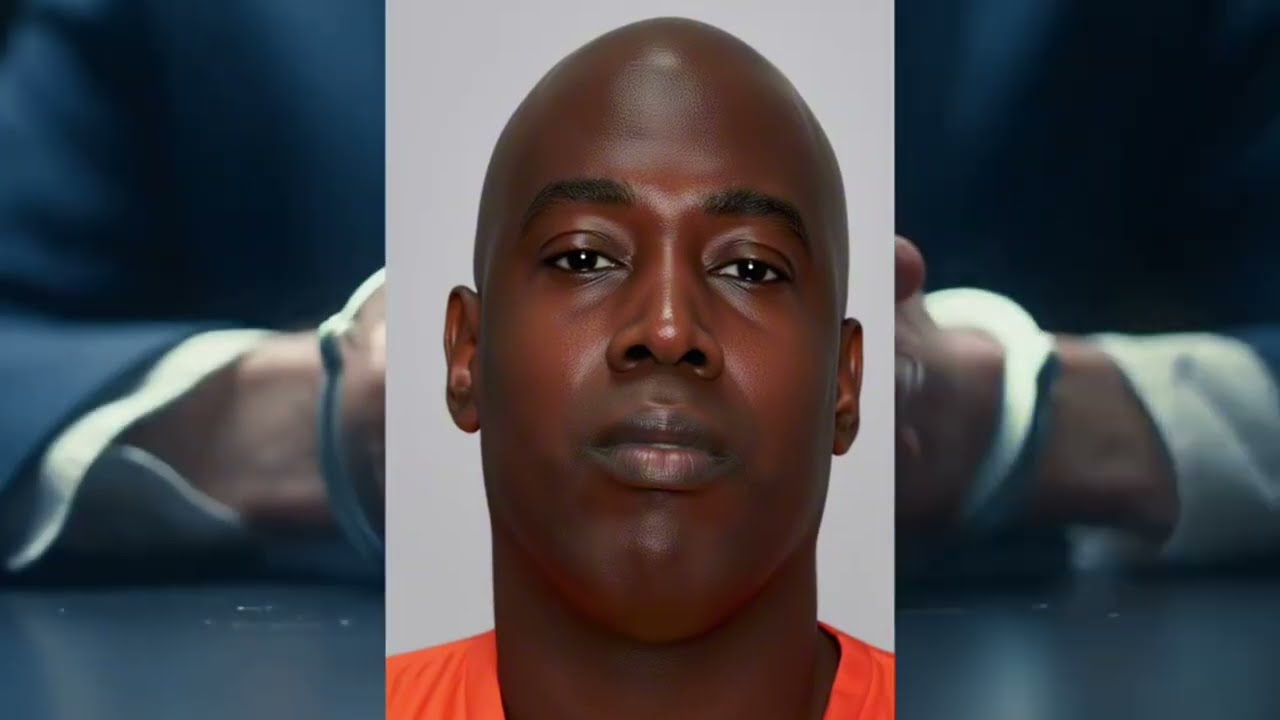
 On March 3, 2026, the State of Florida executed Billy Leon Kearse for the 1991 murder of Fort Pierce Police Sergeant Danny Parrish, bringing an end to a case that remained in the courts for more than three decades. The case became one of Florida’s most discussed law enforcement murder prosecutions because of the circumstances surrounding the shooting, Kearse’s age at the time of the crime, and the lengthy legal battles that followed.
The events began on January 18, 1991, when Sergeant Danny Parrish conducted what appeared to be a routine traffic stop in Fort Pierce, Florida. During the encounter, a struggle occurred between Parrish and 18-year-old Billy Leon Kearse. Prosecutors alleged that Kearse gained control of the officer’s service weapon and fatally shot him during the confrontation.
The killing shocked the local community and drew statewide attention. Parrish was widely remembered as a respected law enforcement officer whose death deeply affected colleagues, friends, and family members. In the aftermath of the shooting, authorities launched an intensive investigation that quickly resulted in Kearse’s arrest and prosecution.
At trial, prosecutors argued that Kearse intentionally murdered a police officer performing his official duties. Defense attorneys presented arguments concerning Kearse’s background, personal history, and circumstances surrounding the confrontation. After hearing the evidence, a jury convicted Kearse and imposed a death sentence.
The case later became part of broader legal discussions involving Florida’s death penalty system. Over the years, Kearse pursued numerous appeals through state and federal courts, challenging both his conviction and sentence. Like many capital cases, the litigation extended across decades as courts reviewed constitutional issues, sentencing procedures, and post-conviction claims.
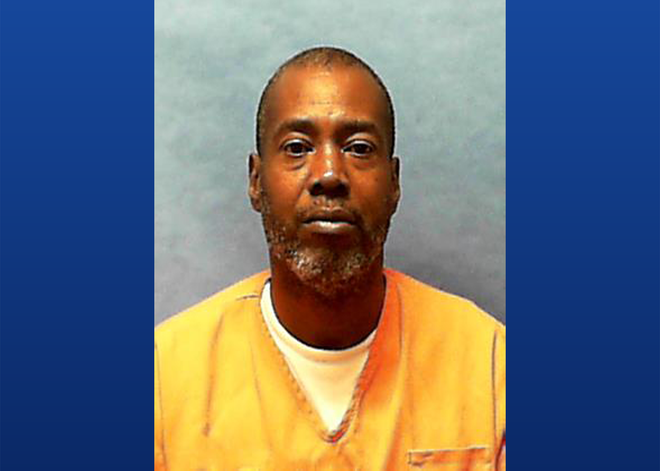 Throughout those years, supporters of the sentence argued that the murder of a police officer warranted the most severe punishment available under Florida law. Others pointed to Kearse’s age at the time of the crime and questioned aspects of the death penalty system. The case became part of continuing debates regarding punishment, rehabilitation, and the administration of capital punishment.
Despite repeated appeals, courts ultimately upheld the conviction and sentence. As legal options were exhausted, Florida officials scheduled the execution for March 3, 2026.
When the execution was carried out, it marked the conclusion of a legal process that had lasted thirty-five years. For the family of Sergeant Danny Parrish, the execution represented the final chapter in a case that had shaped multiple generations. For legal observers, the case highlighted the extraordinary length of time often required to resolve death penalty prosecutions in the United States.
 Today, the Billy Leon Kearse case remains part of Florida’s death penalty history. More than three decades after Sergeant Danny Parrish lost his life, the case continues to be remembered for the tragic events of that January night, the long path through the courts, and the continuing questions it raised about justice, punishment, and the criminal justice system.