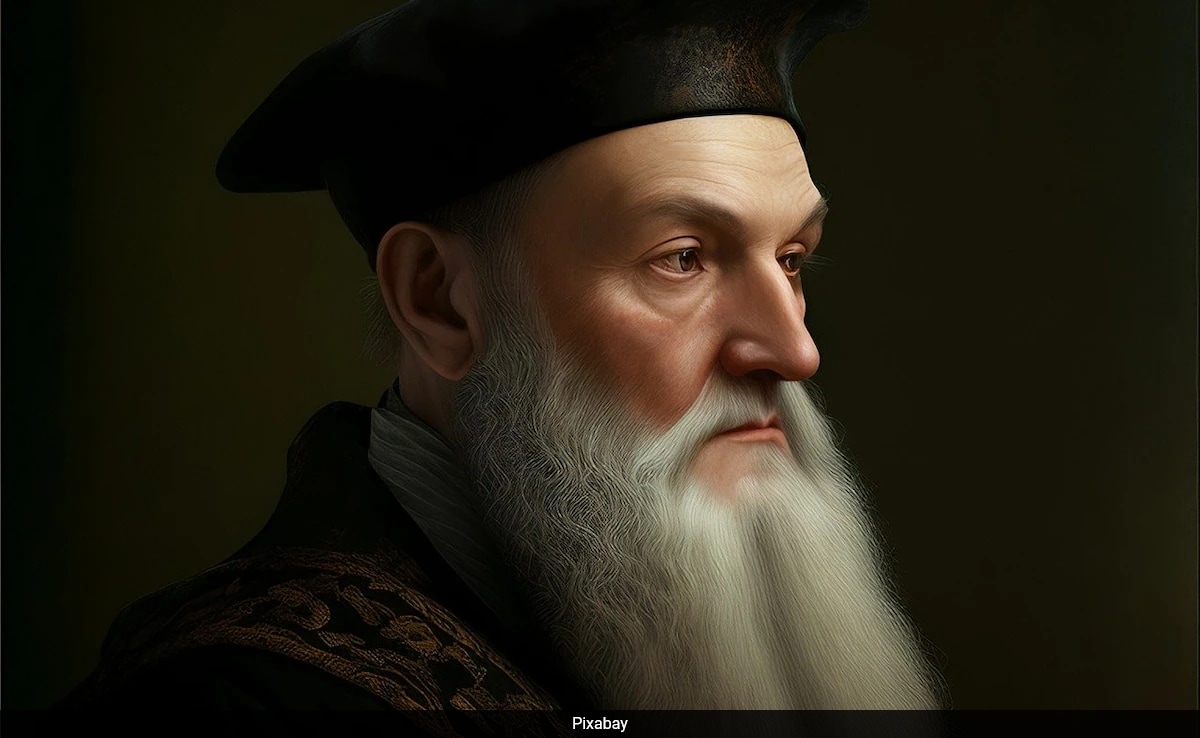
Michel de Nostredame, better known as Nostradamus, was a French apothecary, astrologer, and writer whose collection Les Prophéties (first published in 1555) is made up of hundreds of cryptic four‑line verses that have been interpreted as forecasting future events. These quatrains are not organized by year and do not contain direct references to dates like “2026”; interpretations connecting them to a specific year are applied later by readers seeking patterns between the verses and modern events.

Interest in Nostradamus’ work resurfaces periodically during times of global uncertainty because some quatrains touch on themes like war, political upheaval, famine, and natural disasters — broad subjects that can be read to match many historical and contemporary situations. For 2026, enthusiasts and popular media often point to verses associated with the number “26,” or symbolic language, but this practice is a retrospective mapping rather than a clear prophetic timeline.
For example, certain quatrains sometimes cited in modern lists are interpreted (by enthusiasts) as alluding to prolonged conflict or upheaval lasting “seven months,” but these readings depend on subjective associations with current geopolitics rather than anything explicitly stated in the original texts.
Historians and scholars note that Nostradamus’ quatrains were written in a highly symbolic style, mixing astrological imagery, historical allusion, and poetic metaphors common in Renaissance literature. Their ambiguity means they can be read in many ways depending on the interpreter’s perspective, which is why no single prediction can be confidently verified ahead of time.
Because Nostradamus did not attach precise dates to his quatrains, claims that he uniquely foretold events for 2026 — such as war, technological upheaval, or dramatic natural phenomena — reflect modern interpretation and speculation rather than authenticated prophecy.
Academic commentary emphasizes that while the prophecies continue to attract attention, they remain too vague to function as testable forecasts, and their enduring appeal has more to do with cultural fascination than confirmed predictive power.
In short, Nostradamus’ writings continue to be read and re‑read through the lens of current events, but their relevance to any specific year like 2026 depends on how readers choose to connect the imagery with contemporary issues, not on direct foresight written by Nostradamus himself.