The Dead Sea Scrolls, a collection of some 25,000 ancient manuscript fragments discovered in the Judean Desert near Qumran, contain parts of biblical books and other religious texts from around 2,000 years ago. While the scrolls themselves were written on animal skins and papyrus, researchers have used ancient DNA sequencing on leather fragments to help understand their origins and relationships.
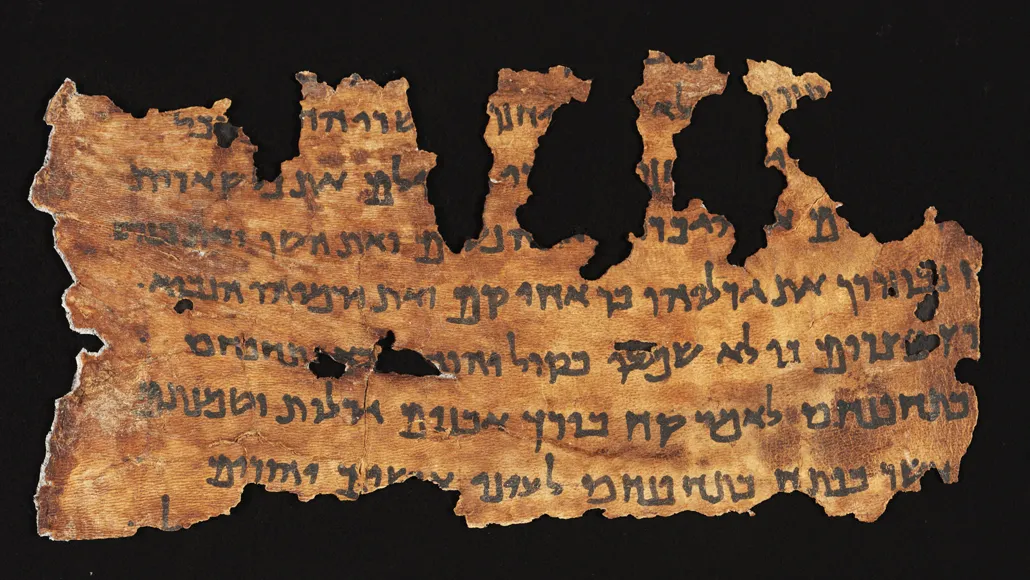
By extracting tiny amounts of genetic material from the skins used as parchment, scientists have been able to identify which fragments came from the same animal, a method that helps scholars piece together which fragments originally belonged to the same manuscript. This genetic “fingerprinting” is especially valuable because the scrolls are so fragmented and many pieces are tiny.
The DNA evidence also helps distinguish between scrolls produced by different traditions or groups, showing that the texts reflect a diversity of origins and may not all come from a single isolated community. This supports the idea that the scrolls represent a broader snapshot of Jewish thought and literature during the Second Temple period, a time of significant religious development.
Sequencing ancient DNA from delicate parchment is technically challenging — the fragments are extremely old, often damaged, and preserve only minute genetic traces. Nevertheless, international teams from institutions including Tel Aviv University, the Israel Antiquities Authority, and Uppsala University have published results demonstrating the feasibility of this approach.
In addition to linking fragments genetically, researchers are combining DNA data with other analytical tools such as infrared photography and material analysis to reconstruct scrolls more accurately and avoid incorrect joins that could skew interpretation of ancient texts.
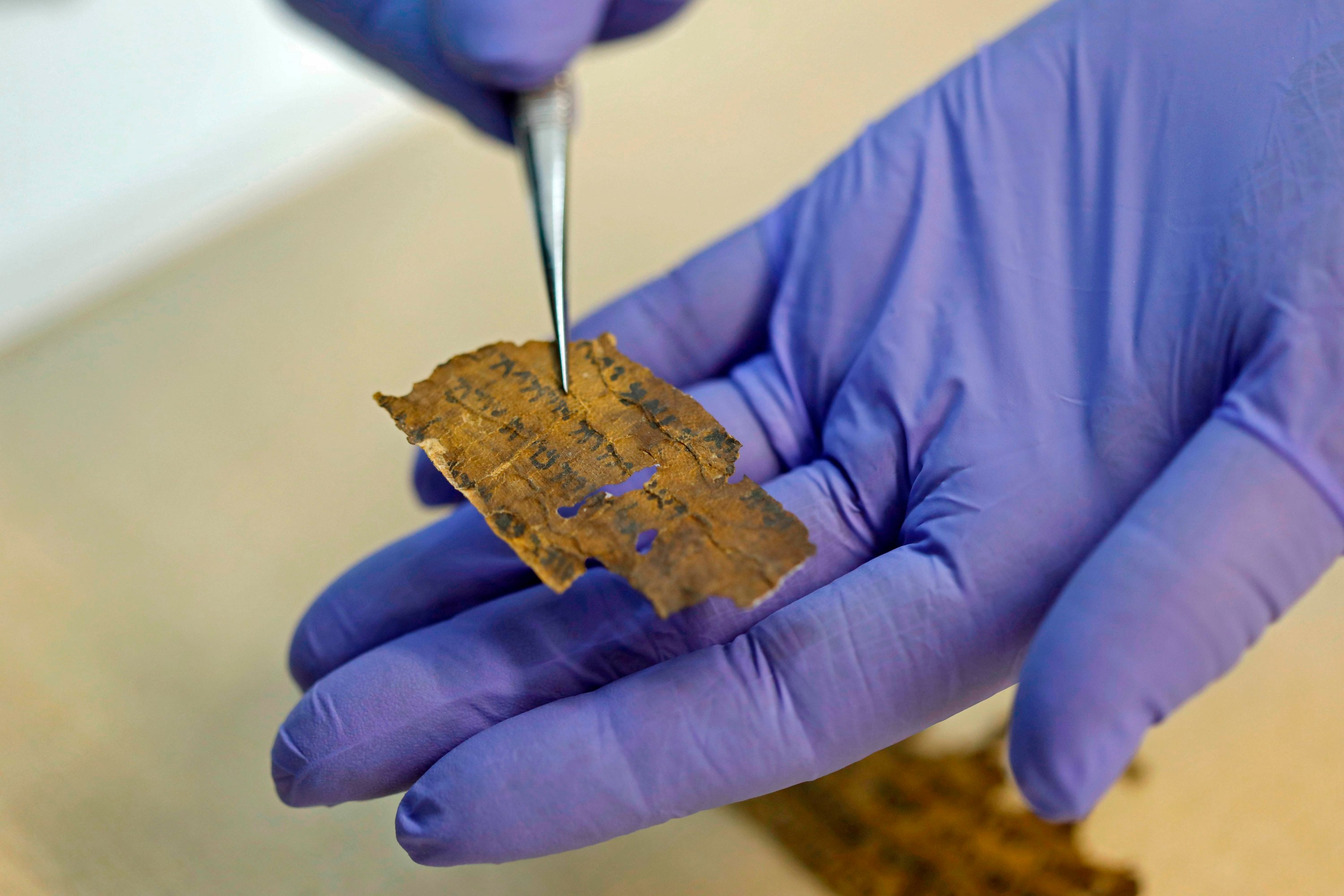
These genetic studies do not provide new textual content from the scrolls themselves, but they help enhance our understanding of the scrolls’ physical history, provenance, and how the documents were produced and circulated. Together with other archaeological and textual work, DNA research adds a valuable layer of evidence for historians studying the origins and development of early Jewish and biblical literature.
Overall, ancient DNA analysis of the Dead Sea Scrolls is strengthening the archaeological record — linking fragments, revealing production patterns, and enriching our picture of the historical world in which these manuscripts were created and used