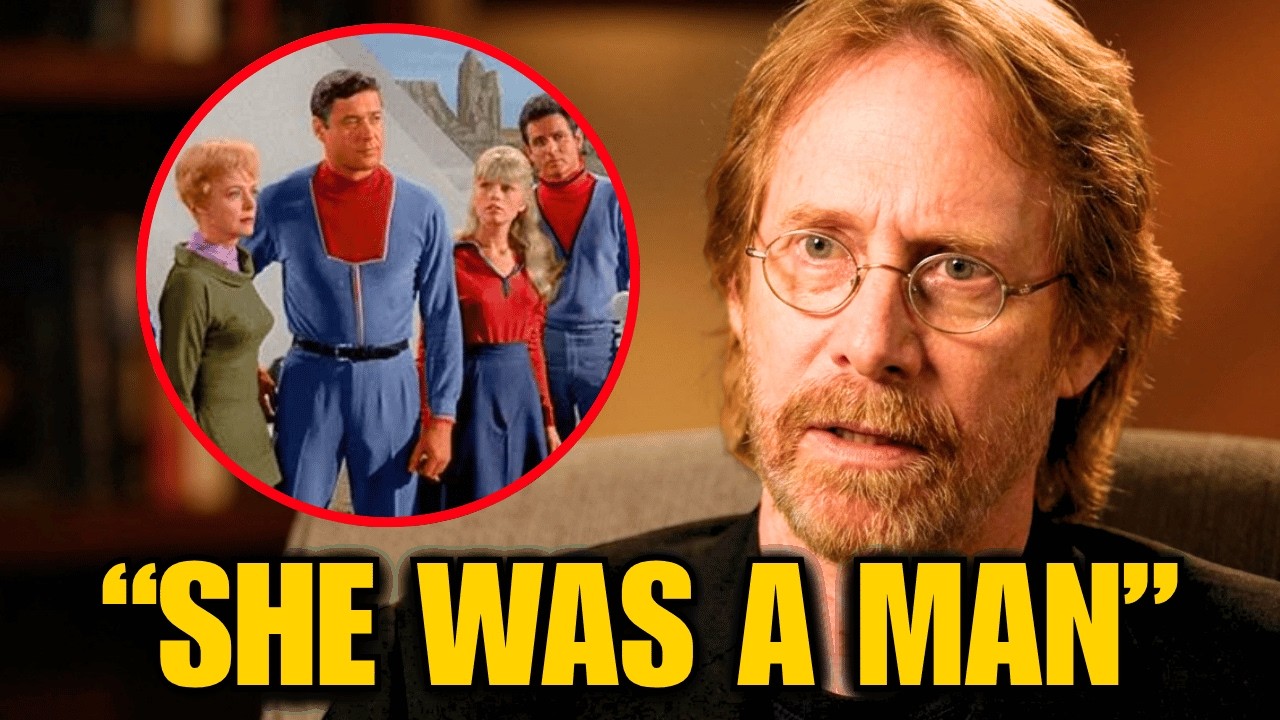
 For millions of television viewers in the 1960s, Lost in Space was a colorful sci-fi adventure filled with strange planets, bizarre creatures, and the unforgettable warning: “Danger, Will Robinson!”
But behind the scenes, the story was far more complicated.
While the series became a cultural phenomenon and remains one of television’s most recognizable science-fiction shows, many of its stars carried disappointments and frustrations that lasted long after the cameras stopped rolling.
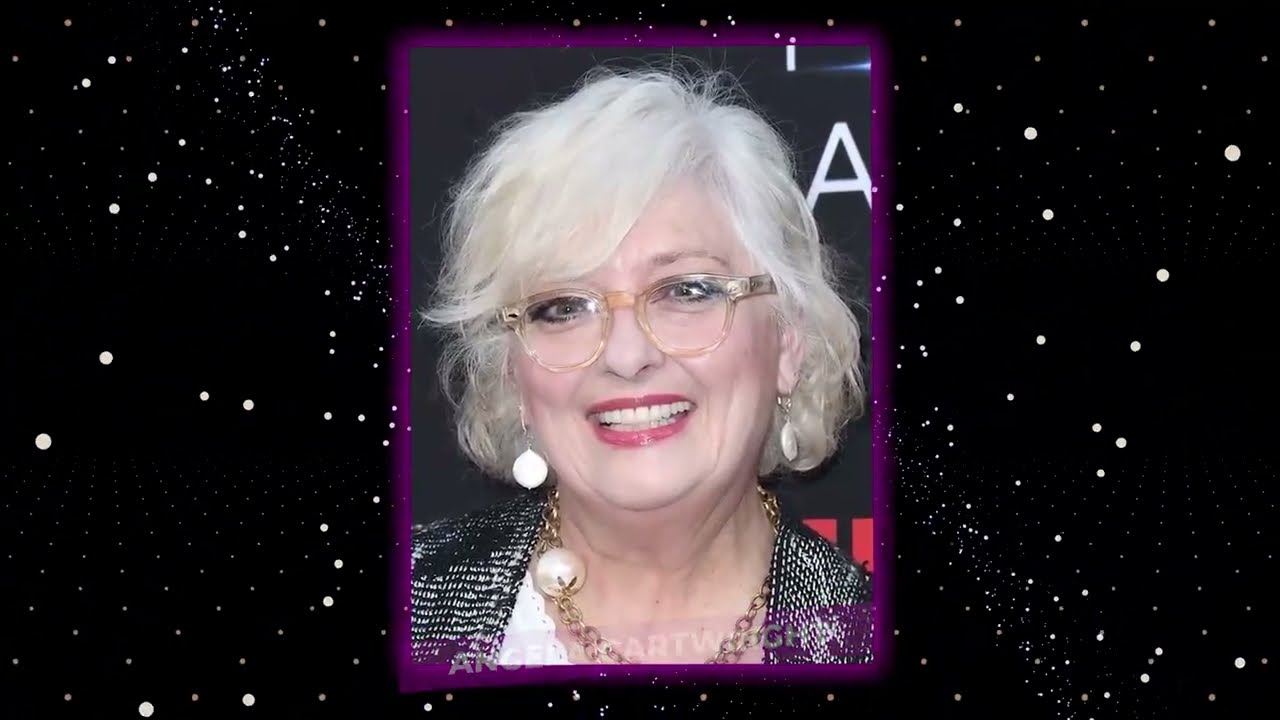
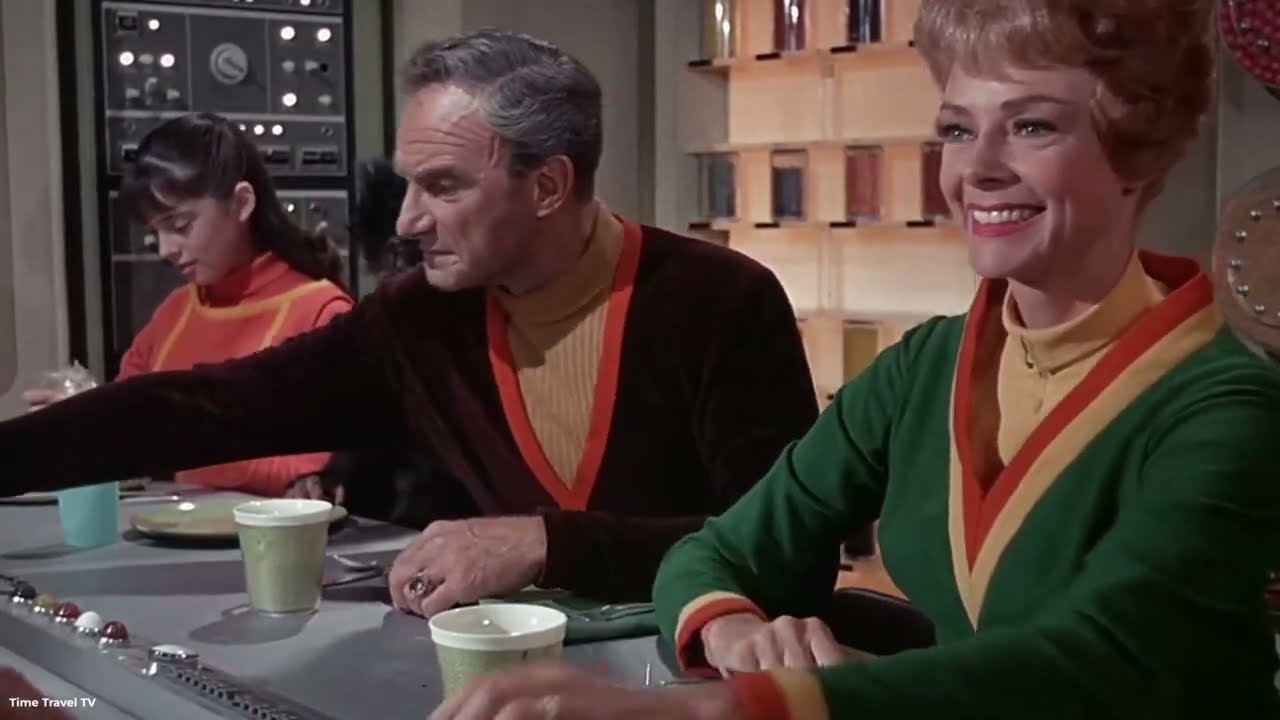
One of the most heartbreaking moments came decades later when actress June Lockhart, who played family matriarch Maureen Robinson, revealed how she learned the show had been canceled. According to Lockhart, there was no phone call from the network, no farewell meeting, and no official thank-you. She reportedly discovered the cancellation through a small newspaper notice, a painful memory she never fully forgot.
 Meanwhile, one of the show’s biggest success stories was also one of its greatest sources of tension.
Jonathan Harris was originally hired to play Dr. Zachary Smith as a temporary villain expected to appear in only a handful of episodes. Instead, Harris transformed the character into a scene-stealing comic figure whose wit and sarcasm quickly made him the breakout star of the series.
As Dr. Smith’s popularity grew, the show’s focus gradually shifted away from the Robinson family and toward the increasingly comedic adventures of Smith and the Robot.
 Not everyone benefited from that shift.
Guy Williams, who played Professor John Robinson and was originally positioned as the show’s leading man, found his role becoming less central as the series evolved. Many fans and television historians have noted that Williams appeared increasingly marginalized as Dr. Smith became the face of the franchise.
Another unsung hero was Bob May, the actor inside the Robot costume.
While audiences fell in love with the Robot’s personality, few realized the physical toll required to bring the character to life. May often spent long hours inside a heavy suit weighing well over 100 pounds. Combined with hot studio lights, filming conditions could become exhausting, and he occasionally struggled with extreme heat while performing.
 Despite his contributions, May’s work often went unrecognized by viewers who assumed the Robot was simply a machine or special effect.
The series itself frequently embraced increasingly outlandish storylines as it competed for ratings. One infamous episode featuring a giant carrot-like alien became emblematic of the show’s shift away from serious science fiction and toward family-friendly fantasy.
Surprisingly, those lighter episodes often attracted strong ratings, helping Lost in Space remain popular even as critics questioned its creative direction.
Yet perhaps the most remarkable part of the story came after the show ended.
While networks moved on and Hollywood largely forgot about the cast, the bonds formed among the younger actors endured. The actors who played Will Robinson, Penny Robinson, and Judy Robinson maintained close friendships for decades, regularly appearing together at conventions and fan events.
Their connection became one of the most enduring legacies of the series.
In an industry where cast reunions often fade and friendships disappear, the Robinson children remained a family long after the cameras stopped rolling.
More than sixty years after the show first aired, Lost in Space is remembered not only for its adventures among the stars, but for the people who brought those stories to life.
Behind the robots, aliens, and special effects was a group of performers who faced disappointment, changing fortunes, and industry indifference. Yet through it all, they held onto something more important than ratings or fame: each other.
And for many fans, that may be the show’s greatest legacy of all.