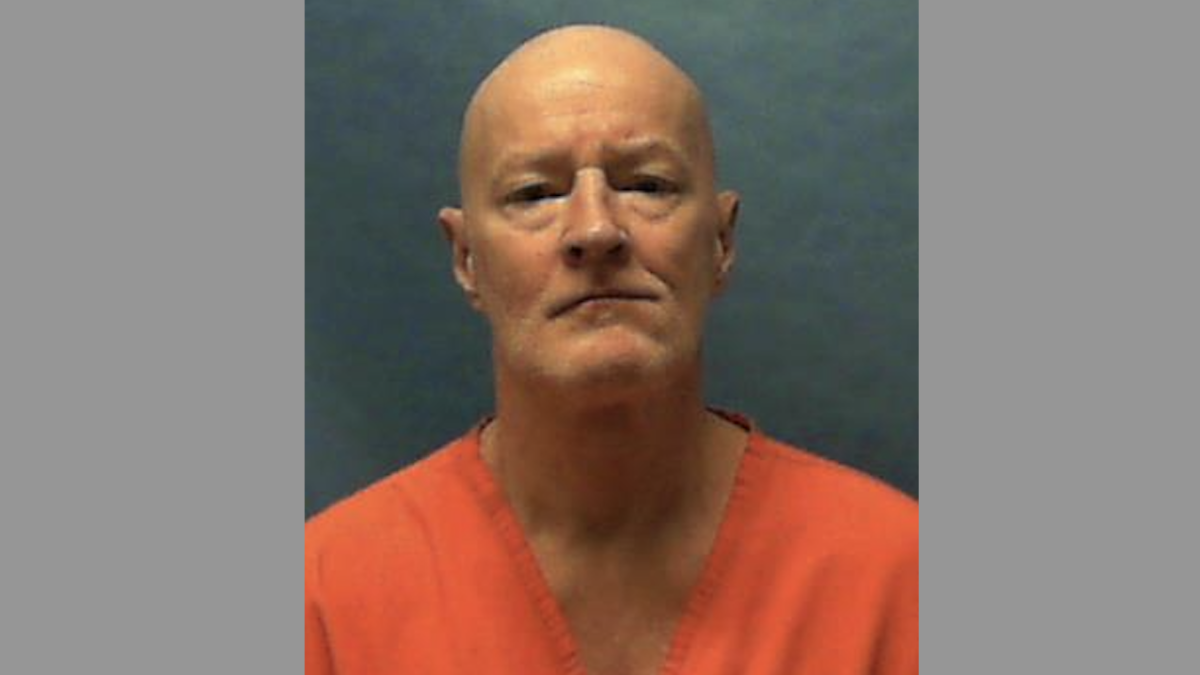
 On August 29, 2024, the State of Florida executed Loran Kenstley Cole for the 1994 murder of John Edwards in Ocala National Forest. The case remained one of Florida’s most notorious murder prosecutions for three decades, drawing attention not only because of the crime itself but also because of later legal challenges involving Cole’s health, childhood history, and claims of abuse during his youth.
The case began on February 18, 1994, when siblings John Edwards and his sister, Vicky Edwards, traveled to Ocala National Forest for a camping trip. According to prosecutors, the pair encountered a man who introduced himself and appeared friendly, offering assistance as they set up their campsite.
 Hours later, authorities said that encounter turned violent. Prosecutors alleged that Loran Cole and an accomplice attacked the siblings during the night. John Edwards was murdered, while Vicky Edwards survived and later provided crucial information to investigators. Her testimony became a key part of the prosecution’s case and helped authorities identify those responsible.
Following an investigation, Cole was arrested, charged, and ultimately convicted of first-degree murder and related crimes. Prosecutors argued that the attack was deliberate and particularly brutal. A jury agreed and sentenced Cole to death.
 Over the following decades, the case moved through the extensive appeals process that accompanies death penalty cases in the United States. Courts reviewed numerous legal challenges involving the conviction and sentence. Despite repeated appeals, judges consistently upheld the verdict.
In the years leading up to the execution, public attention increasingly focused on Cole’s background and health. Defense attorneys cited his difficult childhood and allegations that he suffered abuse while confined at Florida’s Arthur G. Dozier School for Boys, a reform institution that later became the subject of widespread investigations into historical mistreatment of youths.
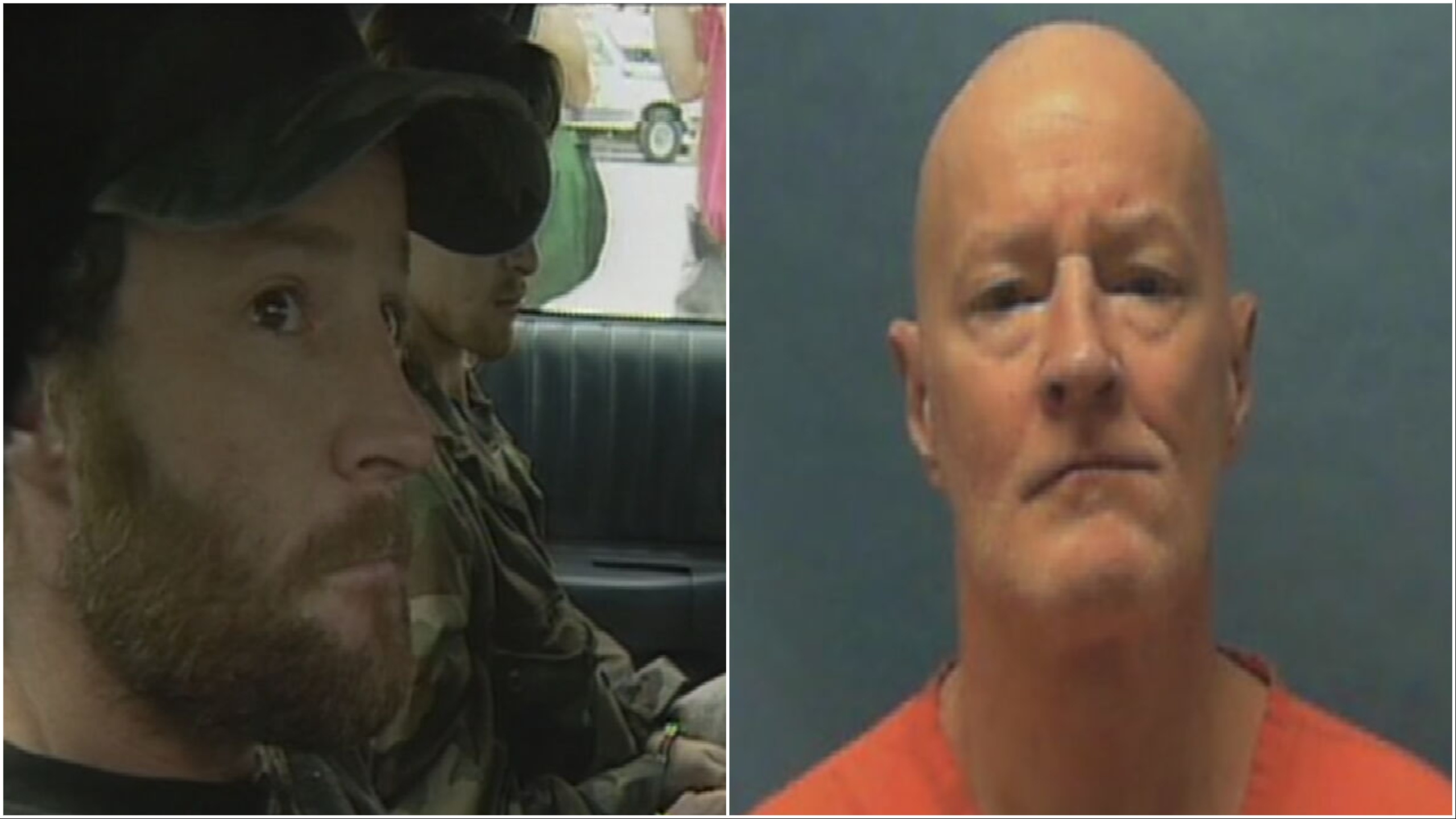 Attorneys also argued that Cole’s declining health should be considered. In his final legal challenges, defense lawyers pointed to Parkinson’s disease and other medical issues, claiming that his condition raised constitutional concerns regarding the execution. Courts reviewed those arguments but ultimately declined to halt the sentence.
Florida carried out the execution on August 29, 2024, after all remaining appeals were exhausted. The execution marked the conclusion of a case that had remained active in the courts for thirty years.
The case continues to generate discussion because it combines several difficult issues that frequently arise in capital punishment debates. Supporters of the execution point to the jury’s verdict, the survivor’s testimony, and decades of judicial review affirming the conviction. Others focus on Cole’s childhood experiences, medical condition, and broader questions about how trauma and mental health should be considered in death penalty cases.
Today, the Loran Cole case remains one of Florida’s most discussed modern executions. More than thirty years after John Edwards lost his life, the case continues to raise questions about justice, accountability, trauma, and whether difficult life circumstances should affect how society responds to the most serious crimes.