Sean Kingston and Mother End Appeal Effort, Accept Federal Prison Sentences in Wire Fraud Case
Sean Kingston and his mother, Janice Turner, have officially ended their attempt to challenge their federal convictions and prison sentences, bringing a close to a high-profile fraud case that attracted national attention.
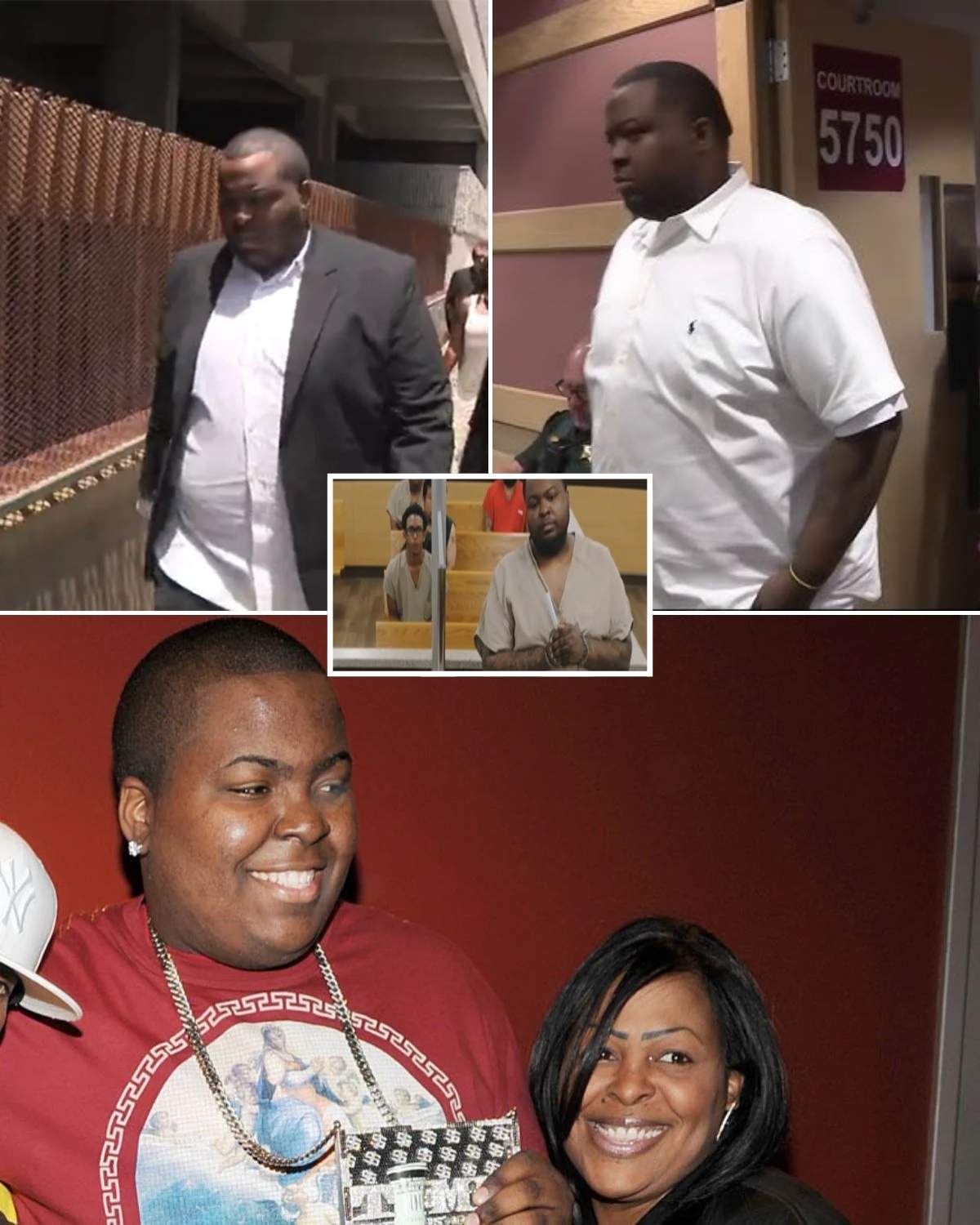
According to court records, Kingston and Turner voluntarily dismissed their appeals, and the Eleventh Circuit Court of Appeals approved the request. The decision means that both defendants have chosen to stop pursuing further legal challenges related to their convictions and sentences.
The move effectively ends their appellate fight and leaves their previously imposed federal prison sentences in place.
Appeals Officially Dismissed
The court’s approval of the voluntary dismissal marks a significant development in the case. Rather than continuing to seek a reversal of their convictions or a reduction in their sentences, Kingston and Turner have opted to accept the outcome of the federal proceedings.
Kingston, whose legal name is Kisean Paul Anderson, and his mother had initially pursued appeals following their convictions. However, by voluntarily withdrawing those appeals, they have closed one of the final avenues available to challenge the verdicts.
Legal experts note that voluntarily dismissing an appeal is generally interpreted as a decision to accept the judgment already imposed by the trial court. While defendants sometimes pursue additional post-conviction options in rare circumstances, dismissing a direct appeal significantly narrows the available paths for further challenges.
The court’s order therefore, represents a major turning point in the case, signaling that both individuals are now focused on serving their sentences rather than continuing litigation.
Background of the Federal Fraud Case
The convictions stem from a federal investigation into an alleged fraud scheme that prosecutors said operated between April 2023 and March 2024.
According to the U.S. Department of Justice, Kingston and Turner were accused of targeting luxury goods vendors and convincing them to provide expensive merchandise through fraudulent means.
Federal prosecutors alleged that the pair used fake wire transfer confirmations to create the appearance that legitimate payments had been made. In reality, authorities said the funds were never transferred.
The scheme reportedly involved numerous high-value transactions and resulted in losses exceeding $1 million for victims.
Investigators argued that the operation relied heavily on deception and false representations to obtain products without paying for them.

Convictions on Multiple Counts
In April 2025, Kingston and Turner were convicted on multiple federal charges.
The jury found both defendants guilty of:
- One count of conspiracy to commit wire fraud
- Four counts of wire fraud
The verdict followed a federal trial in South Florida, where prosecutors presented evidence outlining how the alleged scheme operated.
Jurors ultimately sided with the government’s case and found both defendants guilty on all counts presented during the proceedings.
The convictions represented a significant legal setback for Kingston, who had spent years in the public spotlight as a recording artist known for several chart-topping hits.
For Turner, the verdict also carried serious consequences, as prosecutors alleged she played a central role in obtaining and distributing fraudulent payment documentation.
How Prosecutors Said the Scheme Worked
Federal authorities described a scheme that allegedly depended on creating trust with luxury merchandise vendors.
According to prosecutors, Kingston frequently leveraged his celebrity status and public profile when interacting with sellers.
Authorities alleged that vendors were led to believe they were dealing with a high-profile entertainer capable of promoting their products to large audiences.
In some cases, prosecutors said vendors were allegedly promised publicity through social media exposure. In others, sellers were reportedly told that celebrities and influential figures might become future customers.
Investigators argued that these representations helped persuade businesses to release expensive merchandise before confirming payment.
Once sellers agreed to the transactions, prosecutors alleged that fraudulent wire transfer confirmations were provided as proof of payment.
Authorities maintained that the documents falsely suggested that funds had been successfully transferred to vendors.
However, prosecutors said the payments never arrived.
As a result, businesses allegedly shipped products or delivered services based on what they believed were legitimate financial transactions.
Luxury Goods at the Center of the Case
The merchandise involved in the scheme included several extremely expensive items.
Federal prosecutors identified numerous luxury products allegedly obtained through fraudulent transactions, including:
- A bulletproof Cadillac Escalade
- High-end luxury watches
- A massive 232-inch LED television
- Other expensive merchandise and services
The value of the goods involved contributed significantly to the overall losses suffered by victims.
According to authorities, the combined losses exceeded $1 million.
The case drew considerable attention because of both the amount of money involved and Kingston’s celebrity status.
For many observers, the allegations represented a dramatic fall from the public image associated with the singer’s successful music career.

Sentencing Details
Following their convictions, both defendants received federal prison sentences.
Sean Kingston was sentenced to 42 months in federal prison on August 15, 2025.
His mother, Janice Turner, received a longer sentence of 60 months.
The difference in sentence length reflected factors considered during the federal sentencing process, including the roles attributed to each defendant and other considerations evaluated by the court.
Federal judges typically review multiple factors when determining an appropriate sentence, including the seriousness of the offense, financial losses, criminal history, and the defendant’s level of involvement.
The sentences imposed in this case reflected the court’s assessment of those factors.
With the appeals now dismissed, those prison terms remain in effect.
Financial Impact on Victims
One of the central issues throughout the case was the financial harm suffered by businesses that allegedly provided merchandise without receiving payment.
According to prosecutors, several vendors experienced substantial losses after relying on fraudulent payment documentation.
While some victims eventually recovered portions of their losses through lawsuits or law enforcement intervention, many reportedly faced significant financial challenges as a result of the transactions.
Fraud cases involving luxury goods often present unique recovery difficulties because merchandise may depreciate in value, change hands, or become difficult to locate after being delivered.
Authorities argued that these challenges contributed to the financial damage experienced by victims.
Restitution and Supervised Release
The consequences for Kingston and Turner extend beyond their prison sentences.
In addition to incarceration, both defendants face restitution obligations intended to compensate victims for their losses.
Restitution is a common component of federal fraud cases and serves as a mechanism for attempting to recover financial damages caused by criminal conduct.
Although restitution orders do not always guarantee full repayment, they establish a legal obligation for convicted individuals to reimburse victims when possible.
Both defendants are also expected to serve periods of supervised release after completing their prison terms.
During supervised release, individuals must comply with court-imposed conditions and remain under federal supervision.
Failure to comply with those requirements can result in additional legal consequences.
Image Placeholder
A Significant Chapter Comes to a Close
The dismissal of the appeals marks the conclusion of a major chapter in the legal proceedings involving Sean Kingston and Janice Turner.
For federal prosecutors, the outcome represents the final resolution of a case they argued involved a coordinated effort to obtain luxury goods through fraudulent means.
For victims, the court’s decision may provide a sense of closure after years of investigations, legal proceedings, and financial disputes.
For Kingston and Turner, the decision to voluntarily dismiss their appeals signals acceptance of the court’s judgment and the beginning of the next phase of their sentences.
While both individuals will continue to face the long-term consequences of their convictions, the legal battle that followed their trial has now officially come to an end.
With the appellate process concluded, attention shifts away from courtroom arguments and toward the completion of the sentences imposed by the federal court, as well as ongoing efforts to satisfy restitution obligations owed to victims affected by the scheme.