Lil Wayne Scores Court Victory as Security Guard’s Assault Lawsuit Is Dismissed
Lil Wayne has emerged victorious in a legal battle that began with allegations of assault and threats involving a firearm at one of his California properties.
The rapper, whose real name is Dwayne Michael Carter Jr., has successfully defeated a lawsuit brought by former security guard Christian Carlos, who accused him of physical assault during an alleged altercation at a Hidden Hills residence in late 2021.
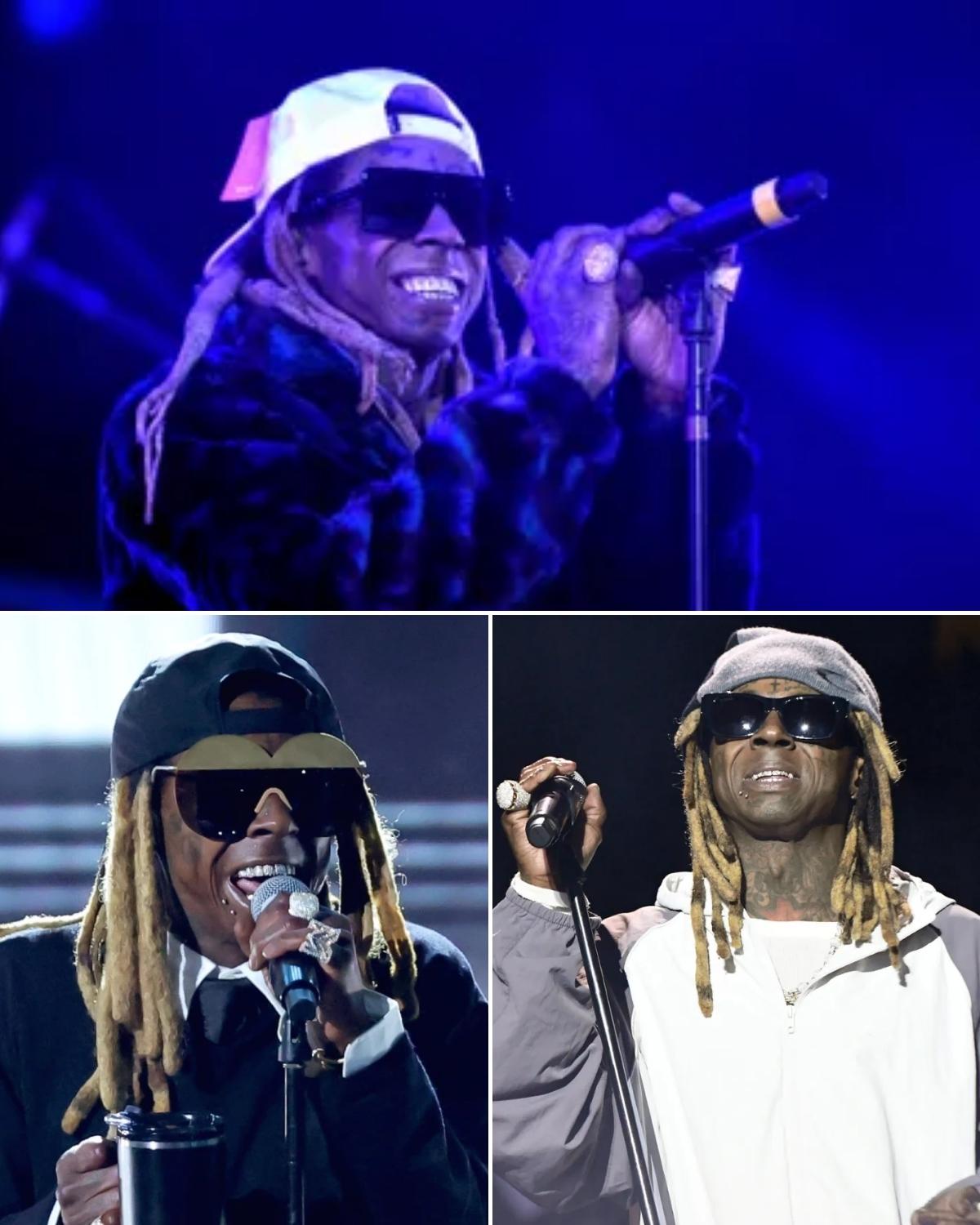
The case, which had been pending for several years, ended not with a trial over the underlying allegations but because of repeated failures by the plaintiff to comply with court orders. As a result, a judge dismissed the lawsuit and awarded thousands of dollars in costs to Wayne.
The decision marks a significant legal victory for the Grammy-winning rapper, who consistently denied the allegations from the moment they were first made public.
The Lawsuit That Sparked the Legal Battle
The dispute traces back to December 2021, when Christian Carlos claimed an incident occurred at a residence associated with Lil Wayne in the upscale Hidden Hills community of Southern California.
According to court filings, Carlos alleged that Wayne became involved in a confrontation with him while he was working as a security guard.
The lawsuit claimed that the rapper punched Carlos in the ear during the encounter and later brandished a semiautomatic firearm in a threatening manner.
Carlos alleged that the confrontation left him emotionally traumatized and caused injuries that required medical attention and ongoing treatment.
The claims quickly attracted media attention due to Wayne’s celebrity status and the seriousness of the allegations.
However, Wayne denied the accusations.
Reports at the time indicated that representatives for the rapper disputed Carlos’ version of events and maintained that the alleged incident either did not occur as described or did not occur at all.
The conflicting accounts set the stage for a lengthy legal fight.

Allegations of Emotional and Psychological Harm
In his lawsuit, Carlos sought compensation for a variety of alleged damages.
According to court documents cited by Rolling Stone, he claimed the incident caused significant emotional distress and psychological trauma.
The complaint stated that he required mental health treatment and alleged that he developed symptoms consistent with Post-Traumatic Stress Disorder (PTSD).
The lawsuit further sought recovery for medical expenses and lost income.
Carlos argued that the alleged confrontation had affected both his personal well-being and professional life.
Civil lawsuits involving assault allegations frequently include claims for emotional distress, especially when plaintiffs contend that the incident caused lasting psychological effects.
However, because the case was ultimately dismissed before reaching trial, those allegations were never tested before a jury.
No court ever determined whether the underlying claims were true.
Reports of a Dispute Behind the Incident
As details of the lawsuit emerged, various reports offered possible explanations for what may have triggered the alleged confrontation.
Some reports suggested that Wayne became upset after allegedly discovering Carlos taking photographs without authorization.
Other reports indicated that the rapper disputed that any physical altercation had taken place.
Because the lawsuit ended before trial, many of the disputed factual questions were never resolved in court.
Instead, the case ultimately turned on procedural issues involving the plaintiff’s obligations during the discovery process.
Discovery is a critical phase of civil litigation during which both parties exchange information, documents, and evidence relevant to the claims being made.
Courts rely on this process to ensure that both sides have access to the information necessary to prepare their cases.
Failure to participate in discovery can result in severe consequences, including sanctions and dismissal.
That is ultimately what happened in this case.
Judge Dismisses Lawsuit Over Discovery Violations
The turning point came when the court concluded that Carlos repeatedly failed to comply with discovery requirements.
According to Rolling Stone, the judge found that the plaintiff had disregarded multiple court orders over an extended period.
In a strongly worded ruling, the court stated that Carlos had willfully refused to comply with three separate discovery orders over nearly ten months.
The judge further found that the plaintiff had made affirmative misrepresentations regarding his compliance with those orders.
By April 21, 2026, the court noted that no adequate discovery responses had been provided.
As a result, the judge imposed what are known as “terminating sanctions.”
Terminating sanctions represent one of the most serious penalties available in civil litigation.
Rather than merely imposing fines or limiting evidence, the sanction effectively ends the lawsuit.
In this case, the judge dismissed Carlos’ claims entirely.
The ruling meant that the lawsuit would not proceed to trial and that Wayne would not be required to defend the allegations before a jury.
Court Awards Costs to Lil Wayne
In addition to dismissing the lawsuit, the court awarded financial relief to Wayne.
According to reports, a judgment totaling $29,225 was entered in the rapper’s favor.
The amount represents costs associated with defending the litigation.
The ruling also placed financial responsibility on both Carlos and his attorney.
Court orders requiring losing parties to reimburse certain legal costs are not uncommon when judges determine that litigation rules have been violated.
The financial consequences can become significant, particularly in cases involving extensive motion practice and prolonged discovery disputes.
For Wayne, the award represented another favorable outcome following the dismissal of the lawsuit itself.

Wayne’s Legal Team Responds
Attorneys representing Wayne expressed satisfaction with the court’s decision.
Ashlee Difuntorum, a member of Wayne’s legal team, stated that Carlos repeatedly failed to provide basic information necessary for the defense of the case.
According to Difuntorum, the plaintiff did not submit fundamental documents and information relating to the alleged incident and the injuries he claimed to have suffered.
Such materials are typically essential in personal injury and assault lawsuits.
Defendants often seek medical records, employment records, witness information, and documentation supporting claims of damages.
Without those materials, it becomes difficult for courts and opposing parties to evaluate the legitimacy of the allegations.
Difuntorum indicated that Wayne’s legal team repeatedly attempted to obtain the required information.
Following the court’s decision, she praised the outcome.
“We’re pleased with the outcome and grateful the court held plaintiff accountable for his conduct,” she said.
Her comments reflected the defense team’s position that the dismissal was justified due to the plaintiff’s repeated failures to comply with court rules.
Legal Fees Could Continue to Grow
Although the court has already awarded more than $29,000 in costs, the total financial impact on Carlos may not yet be finalized.
According to reports, Wayne’s attorneys are still evaluating the full extent of legal fees incurred while defending the case.
Complex civil litigation can generate substantial expenses.
Legal teams often spend months or even years reviewing evidence, preparing filings, attending hearings, conducting discovery, and responding to motions.
Those efforts can result in significant attorney fees.
Difuntorum indicated that calculations regarding additional costs were still ongoing.
As a result, the final amount owed could potentially exceed the initial judgment already awarded.
Why Discovery Matters in Civil Litigation
The outcome of the case highlights the importance of discovery obligations within the legal system.
Discovery serves as one of the foundations of civil litigation.
The process allows each side to gather information and evaluate the strengths and weaknesses of a case before trial.
Courts expect parties to respond to requests in good faith and within established deadlines.
When litigants repeatedly fail to comply, judges have broad authority to impose sanctions.
These penalties can range from monetary fines to limitations on evidence.
In the most serious cases, courts may dismiss claims entirely.
Legal experts frequently note that dismissal is generally considered a last resort, reserved for situations involving repeated violations or deliberate noncompliance.
According to the judge’s ruling, the court determined that such circumstances existed in this case.
A Significant Win for Lil Wayne
For Wayne, the dismissal represents a notable legal victory.
The rapper avoided a potentially lengthy and costly trial while securing a favorable judgment from the court.
Importantly, because the lawsuit was dismissed before trial, no court ever concluded that the allegations against him were true.
Wayne consistently denied the claims throughout the litigation.
The court’s ruling focused primarily on procedural issues and the plaintiff’s conduct during discovery rather than on the merits of the assault allegations themselves.
Nevertheless, the result effectively ends the lawsuit and removes a significant legal challenge that had followed Wayne for several years.

Case Comes to an End
After years of litigation, the dispute between Lil Wayne and former security guard Christian Carlos has reached its conclusion.
What began as allegations of assault, threats, and emotional trauma ultimately ended because of repeated failures to comply with court orders.
The judge’s decision to dismiss the lawsuit and award costs to Wayne underscores the consequences litigants can face when they fail to meet procedural requirements.
While questions surrounding the original allegations were never resolved through a trial, the legal outcome is clear: Wayne prevailed in court.
For the rapper, the ruling closes a chapter that began with serious accusations and ended with a court-ordered victory worth more than $29,000—and potentially more once additional legal fees are calculated.
As a result, one of the more closely watched legal disputes involving the hip-hop star has now officially come to an end.