Queen Nefertiti was one of ancient Egypt’s most influential figures as the Great Royal Wife of Pharaoh Akhenaten during the 18th Dynasty, famed for her role in religious reforms and for the iconic painted bust discovered in 1912. Modern DNA analysis of royal mummies has been used to reconstruct family relationships within this dynasty. Genetic testing has confirmed that Tutankhamun was the biological son of Akhenaten, but the evidence shows that his mother was not Nefertiti, instead corresponding to a mummy dubbed the “Younger Lady.”
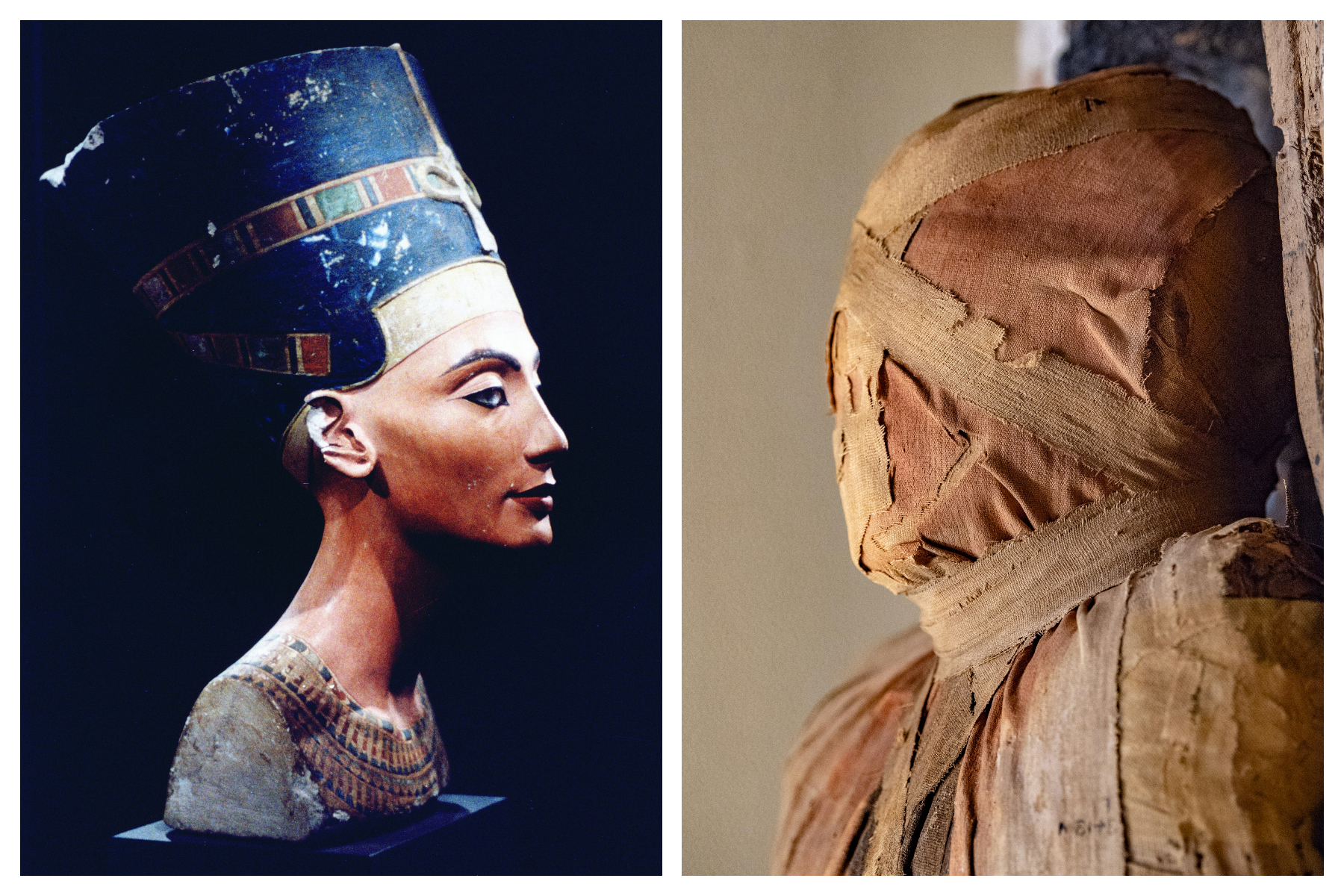
The identification of the Younger Lady as Tutankhamun’s mother also revealed that she was a full sister to Akhenaten, illustrating the close‑kin marriages practiced by the royal family — a pattern seen in several Egyptian dynasties aiming to preserve power and bloodline continuity. Such intermarriage has been linked to the health issues of Tutankhamun, whose own remains show signs of physical ailments consistent with inbreeding.
Despite decades of speculation, Nefertiti’s mummy has not been definitively identified. Some researchers have proposed that the remains in tomb KV21B may belong to her due to maternal DNA links with the royal line, but this has not been confirmed through peer‑reviewed genetic evidence, and other specialists view the connection as tentative.
The ongoing lack of a confirmed tomb or genetic match for Nefertiti — combined with the shifting understanding of the Amarna family tree and how royal women might have ruled or been buried — means that the story of her life and death remains one of Egyptology’s greatest mysteries.
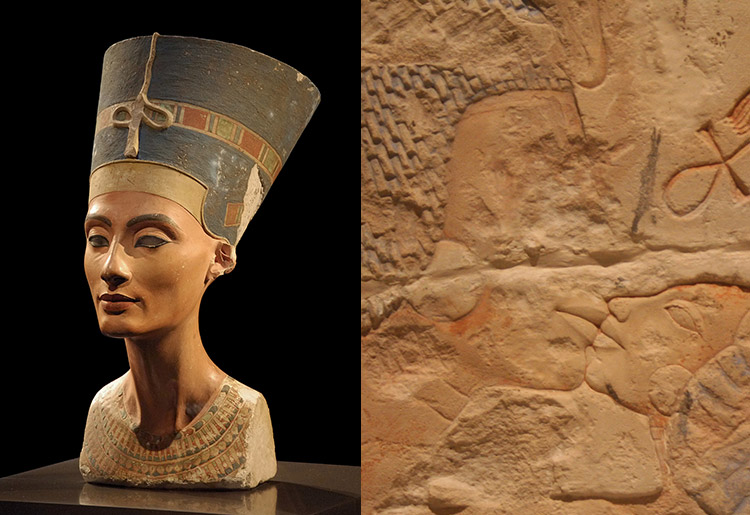
This research does not rewrite ancient history in the sensational sense often claimed in social media, but it does refine our understanding of royal relationships, succession, and burial practices in the 18th Dynasty. Scholars continue to use DNA and CT scan data to evaluate candidate mummies and to learn more about how royal power and family ties influenced life and death in ancient Egypt.
In summary, scientific DNA analysis has improved our picture of the Amarna dynasty’s complex genealogy and confirmed familial links within Tutankhamun’s family, but Nefertiti’s own remains and the full truth of her life and death have not yet been conclusively solved by genetic evidence.