FLORIDA EXECUTION: Michael Tanzi Put to Death Nearly 25 Years After Janet Acosta’s Murder
The execution of Michael Wayne Tanzi marked the end of one of Florida’s longest-running and most emotionally devastating capital murder cases. Nearly a quarter century after the kidnapping and murder of Janet Acosta, the State of Florida carried out the death sentence imposed for a crime that shocked communities across the state and left a family searching for answers, justice, and peace.

For many people who followed the case, the execution represented the final chapter in a tragedy that began with an ordinary lunch break and ended in unimaginable violence. For Janet Acosta’s family, however, the passage of nearly 25 years served as a painful reminder that time alone cannot erase loss.
As news of Tanzi’s execution spread, many focused on his final statements, his reported apology to the victim’s family, and the long legal battle that preceded his death. Others reflected on broader questions about justice, punishment, and whether any legal outcome can truly provide closure after a loved one is taken in such a horrific manner.
The case remains one of Florida’s most widely remembered stranger-abduction murders and continues to provoke discussion about crime, accountability, and the purpose of the death penalty in modern America.
A Normal Day Turns Into a Nightmare
When Janet Acosta began her day, there was no indication that it would become the last day of her life.
According to prosecutors, Acosta was taking a lunch break when she encountered Michael Tanzi.
What happened next transformed an ordinary afternoon into a nightmare that would devastate her family and capture public attention across Florida.
Authorities later alleged that Tanzi abducted Acosta, robbed her, and forced her into a terrifying ordeal that stretched across hundreds of miles.
The allegations described a sequence of events that left investigators, prosecutors, and community members deeply disturbed.
Cases involving stranger abductions often generate intense public fear because they appear random and unpredictable.
Unlike crimes involving family members or acquaintances, stranger-abduction murders remind people that violence can sometimes emerge without warning.
As details of Acosta’s disappearance emerged, concern quickly spread.
Friends, relatives, and investigators desperately searched for answers.
Unfortunately, the outcome would be tragic.
The discovery of Acosta’s fate transformed the case from a missing-person investigation into a homicide investigation that would remain in the public eye for decades.
The Investigation
Law enforcement agencies immediately began piecing together the events surrounding Acosta’s disappearance.
Investigators collected evidence, interviewed witnesses, and traced movements connected to the case.
As the investigation progressed, authorities developed a clearer understanding of what they believed had happened.
Prosecutors later argued that Tanzi kidnapped Acosta, stole from her, and transported her a considerable distance before ultimately taking her life.
The scope of the crime shocked many observers.
The fact that the victim had allegedly been forced to travel hundreds of miles before her murder added another disturbing dimension to the case.
Investigators worked tirelessly to establish a timeline and gather evidence capable of supporting criminal charges.
Their efforts ultimately resulted in the arrest and prosecution of Michael Tanzi.
The evidence assembled during the investigation would later become central to the state’s case.
For Acosta’s family, however, no amount of evidence could reverse what had happened.
Their focus increasingly shifted from finding answers to seeking justice.

A Community Responds
The murder of Janet Acosta generated significant public reaction.
Many people were horrified by the allegations and troubled by the apparent randomness of the crime.
Residents followed news reports closely as investigators released information and prosecutors prepared their case.
Stranger-abduction murders often resonate strongly with the public because they challenge assumptions about safety and routine.
People identify with victims who are carrying out everyday activities when tragedy strikes.
Acosta’s case fit that pattern.
She was not engaged in risky behavior or involved in a known dispute.
According to prosecutors, she was simply going about her day when she became the victim of a violent crime.
As media coverage intensified, public interest continued growing.
The case eventually became one of Florida’s most closely followed murder prosecutions.
The Trial
When the case reached court, prosecutors presented evidence intended to establish Tanzi’s guilt beyond a reasonable doubt.
They described a sequence of criminal acts beginning with kidnapping and robbery and ending with murder.
The prosecution argued that the evidence demonstrated both responsibility and intent.
Witness testimony, investigative findings, and forensic evidence became critical components of the state’s presentation.
Defense attorneys challenged aspects of the prosecution’s case while seeking to protect their client’s legal rights.
As in every criminal trial, jurors were responsible for evaluating the evidence and determining whether prosecutors had met the required burden of proof.
After hearing the case, the jury found Tanzi guilty.
The conviction represented a major milestone for prosecutors and for those seeking accountability on behalf of Janet Acosta.
Yet another important phase remained.
The court would now determine punishment.
Why the Death Penalty Was Imposed
Florida law permits capital punishment in certain murder cases involving aggravating circumstances.
Prosecutors argued that the facts of the Acosta case justified the ultimate penalty.
The kidnapping, robbery, and murder allegations were among the factors considered during sentencing proceedings.
Supporters of the death sentence believed the severity of the crime warranted the harshest punishment available.
Many argued that certain acts are so serious that life imprisonment is insufficient.
Others disagreed.
Opponents of capital punishment maintained that life imprisonment without parole could provide accountability without requiring an execution.
The debate reflected broader national disagreements about the death penalty.
Nevertheless, the courts ultimately imposed a death sentence.
For Tanzi, the decision meant that years of appeals and legal challenges would follow.
For Acosta’s family, it meant continuing to navigate a lengthy legal process while coping with profound loss.
Decades of Appeals
One of the defining features of death penalty cases in the United States is the extensive appeals process.
Tanzi’s case followed that pattern.
Over the next two decades, attorneys pursued numerous legal challenges through state and federal courts.
Appellate review serves multiple purposes.
Supporters argue it helps ensure fairness and reduces the risk of irreversible mistakes.
Critics contend that lengthy appeals can delay justice and prolong suffering for victims’ families.
Throughout the years, courts reviewed various claims related to the conviction and sentence.
Despite those challenges, judges repeatedly upheld the outcome.
The death sentence remained intact.
As time passed, the case became an example frequently cited during discussions about the pace and complexity of capital punishment litigation.
For Acosta’s loved ones, each appeal represented another reminder of the crime and another delay in reaching final resolution.
The Final Hours
As execution day approached, public attention once again focused on Michael Tanzi.
Death penalty cases often generate intense interest during an inmate’s final hours.
Questions arise about final visitors, spiritual counseling, last statements, and final reflections.
Reports indicated that Tanzi expressed remorse before his execution.
According to accounts from witnesses, he apologized to Janet Acosta’s family and recited a Bible verse.
Such final statements frequently attract significant attention because they represent an inmate’s last opportunity to address victims, family members, and the public.
For some observers, expressions of remorse are meaningful.
They may suggest acknowledgment of responsibility or personal reflection.
Others believe that apologies, regardless of sincerity, cannot undo the consequences of violent crimes.
The differing reactions reflect broader questions about forgiveness, accountability, and redemption.
Regardless of individual opinions, the final statements became part of the historical record surrounding the case.
The Execution
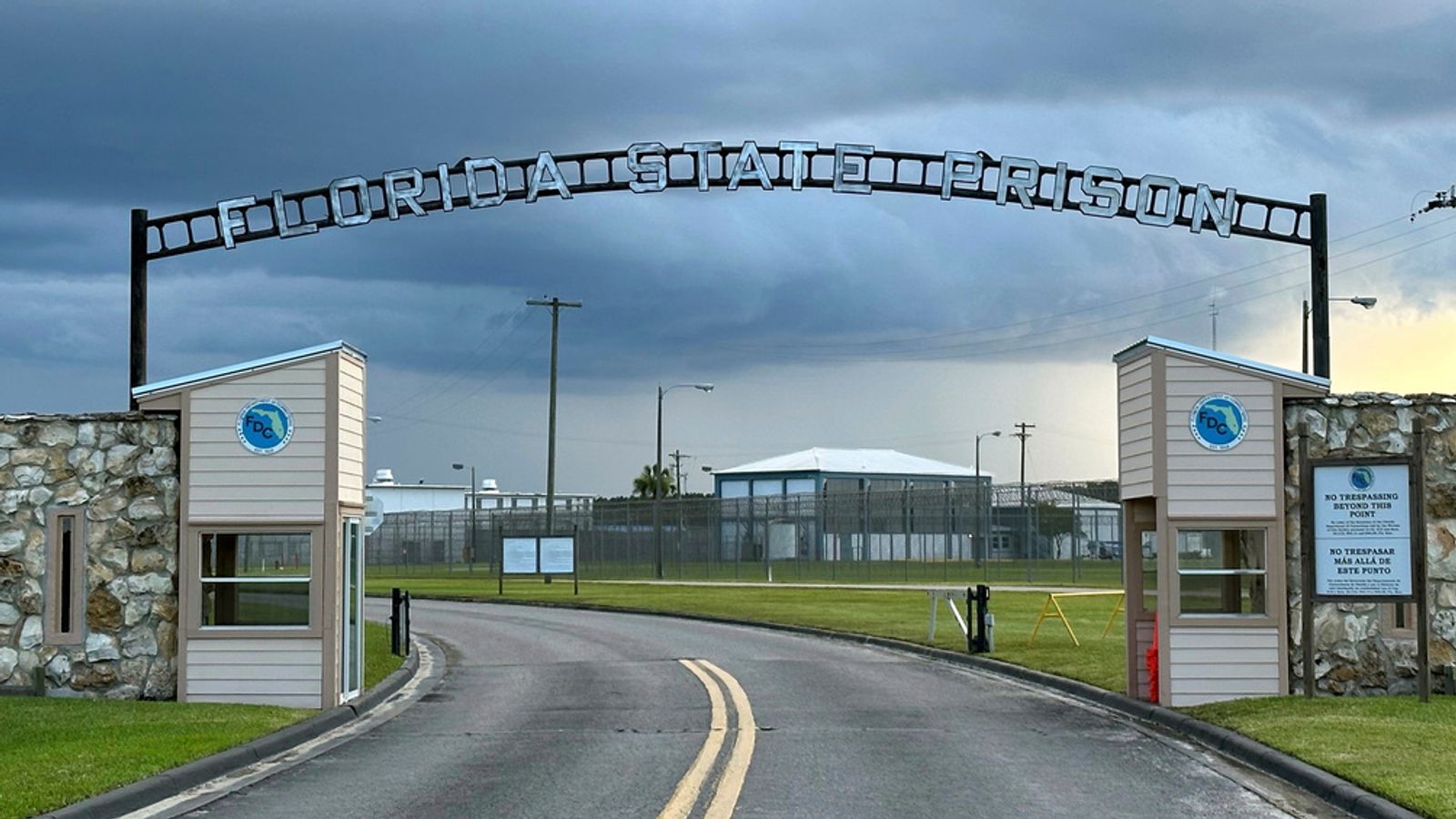
After years of legal proceedings, Florida carried out Tanzi’s execution.
The event brought a formal end to one of the state’s longest-running death penalty cases.
For supporters of the sentence, the execution represented justice finally being completed.
They argued that the legal system had thoroughly reviewed the case and ultimately enforced the punishment imposed by law.
For critics of capital punishment, the execution raised continuing concerns about the death penalty itself.
Some questioned whether execution provides benefits beyond punishment.
Others argued that life imprisonment would have been sufficient.
These debates are common whenever a high-profile execution occurs.
Yet beyond political and legal arguments lies a more personal reality.
A family lost a loved one.
Nothing about the execution changed that fact.
The Meaning of Closure
One of the most frequently discussed concepts in homicide cases is closure.
Politicians, prosecutors, journalists, and commentators often use the term when describing verdicts or executions.
However, many victims’ advocates caution that closure is rarely straightforward.
For some families, the conclusion of legal proceedings can provide relief.
The end of appeals may eliminate uncertainty and allow attention to shift away from courtrooms.
For others, grief continues regardless of legal outcomes.
No sentence can restore a life that has been taken.
No verdict can recreate missed birthdays, family gatherings, holidays, or future milestones.
The emotional impact of homicide often lasts a lifetime.
As a result, closure may mean different things to different people.
Some find comfort in accountability.
Others focus on remembrance rather than punishment.
The diversity of these experiences helps explain why discussions about justice remain so complex.
The Broader Debate About Capital Punishment
The Tanzi case also highlights broader national debates about the death penalty.
Supporters argue that execution remains appropriate for particularly serious crimes.
They believe certain acts demonstrate such extreme disregard for human life that the harshest punishment is justified.
Opponents disagree.
They point to concerns involving costs, fairness, wrongful convictions, and ethical considerations.
Many believe life imprisonment without parole can achieve accountability while avoiding execution.
The debate has continued for decades and remains deeply divisive.
Cases involving kidnapping and murder often intensify those disagreements because emotions run especially high.
The suffering experienced by victims and families creates powerful arguments on both sides.
Tanzi’s case became another chapter in that ongoing national conversation.

Remembering Janet Acosta
While discussions frequently focus on defendants, sentences, and legal proceedings, the center of this story remains Janet Acosta.
She was a daughter, family member, friend, and human being whose life ended far too soon.
The legal process revolved around determining responsibility for her death, but the broader significance of the case lies in remembering the person who was lost.
Victims’ advocates often emphasize that criminal cases should never become solely about offenders.
The lives of victims matter.
Their stories matter.
Their families continue carrying memories long after court proceedings conclude.
As years passed, Janet Acosta’s family endured anniversaries, holidays, and milestones without her presence.
Those experiences represent the true human cost of violent crime.
Conclusion
The execution of Michael Wayne Tanzi brought an end to a legal battle that lasted nearly 25 years following the kidnapping and murder of Janet Acosta. Convicted of abducting, robbing, and ultimately killing Acosta, Tanzi spent decades pursuing appeals before Florida carried out his death sentence.
For some, the execution represented long-awaited justice after years of legal proceedings.
For others, it renewed difficult questions about whether capital punishment provides meaningful closure or whether grief remains regardless of the punishment imposed.
What cannot be disputed is the lasting impact of the crime.
A family lost a loved one.
A community was shaken.
And a case that began during an ordinary lunch break became one of Florida’s most notorious murder prosecutions.
Nearly a quarter century later, the memory of Janet Acosta continues to endure.
And the questions raised by her case—about justice, accountability, and closure—remain as relevant as ever.
👉 After waiting nearly 25 years, do you think justice was finally served—or is closure something the legal system can never provide?