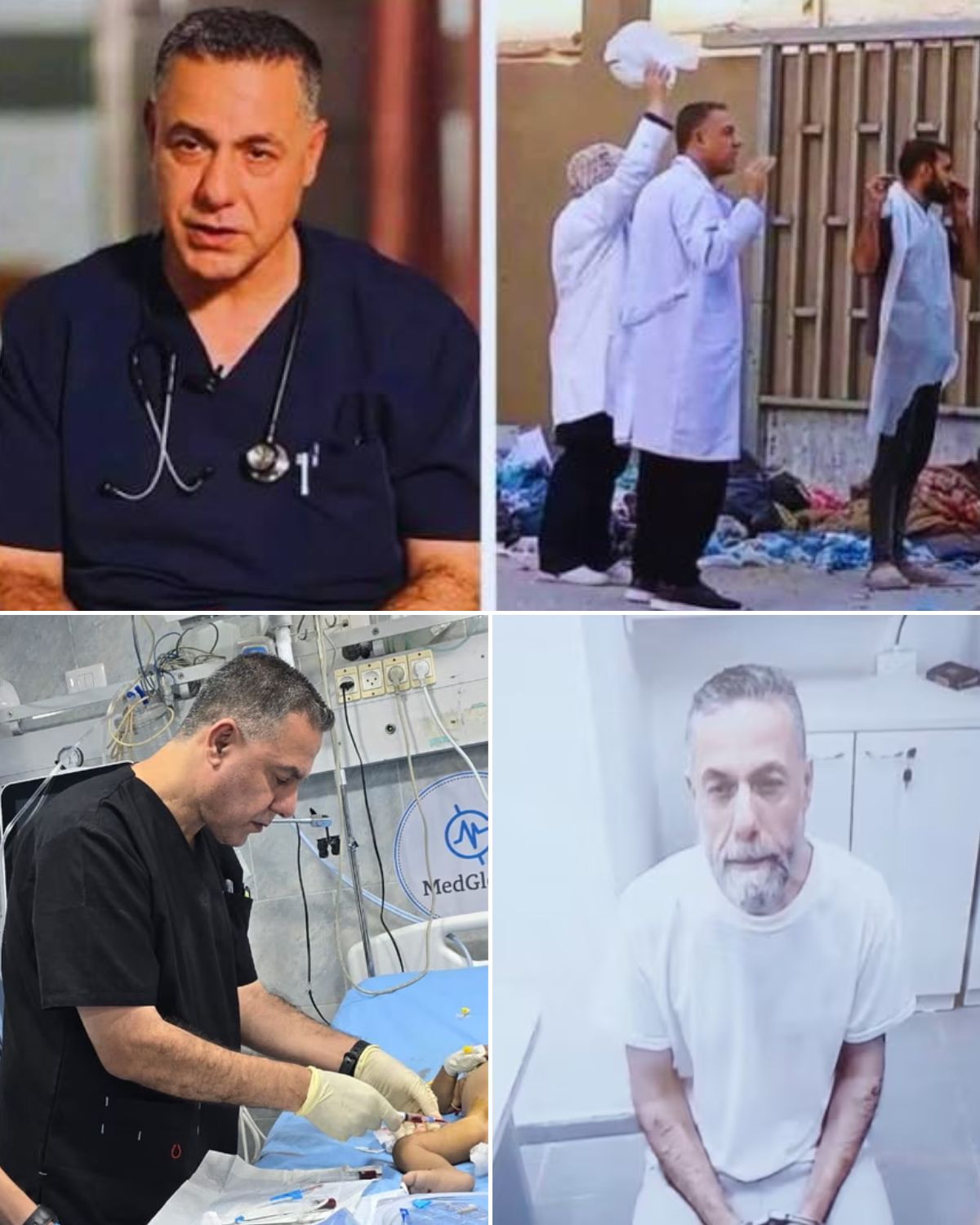
In a heart-wrenching turn of events, the son of Dr. Hussam Abu Safiya, a well-respected Palestinian physician, is voicing grave concerns for his father’s health after he was unexpectedly moved to solitary confinement in a maximum-security prison. This shocking development follows Dr. Abu Safiya’s detainment by Israeli forces in Gaza, where he has remained without formal charges for over 500 days.

Dr. Abu Safiya, who leads the Kamal Adwan hospital in northern Gaza, was taken from his workplace on December 27, 2024. Recent reports from Physicians for Human Rights Israel (PHRI) reveal that the 53-year-old doctor was transferred from Ketziot prison to Ramon prison, where he now faces the harsh realities of solitary confinement. The reasons behind this sudden move remain unclear, leaving his family and advocates deeply troubled.
During a recent visit from a PHRI attorney, Dr. Abu Safiya described the dire conditions he has been enduring, including untreated medical issues and alarming food shortages. His son, Elyas Abu Safiya, who is also a medical professional, shared that his father is in urgent need of surgery to remove shrapnel lodged in his thigh, a painful reminder of the violence he has faced.
Elyas expressed his anguish, stating, “What we know about his time in detention shows severe suffering.” He revealed that in the early days of his father’s imprisonment, Dr. Abu Safiya was not permitted to change his clothes, leading to skin infections without proper medical care. “He is now confined to a cell no larger than one meter by one meter, barely enough space to move or sit,” Elyas added, painting a grim picture of his father’s current plight.
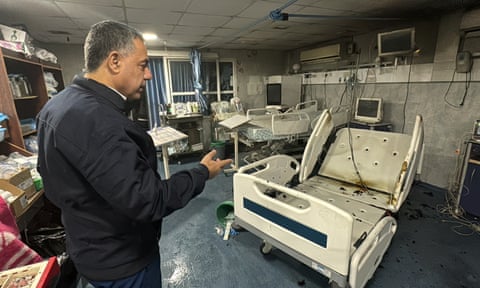
Dr. Abu Safiya was wearing a white medical coat at the time of his arrest, a coat he had refused to wash since his son Ibrahim was tragically killed in a drone strike outside the hospital in October 2024. Throughout the escalating military operations in the region, Dr. Abu Safiya had tirelessly worked to keep the hospital operational, even during a grueling 80-day siege.
Despite the lengthy duration of his detention, Israeli authorities have yet to present any formal charges against him. He has been classified as an “unlawful combatant,” a label that has been used to justify the extended detention of over 375 medical workers without trial. Elyas claims the only reason for his father’s detention is his refusal to abandon patients during a critical time.
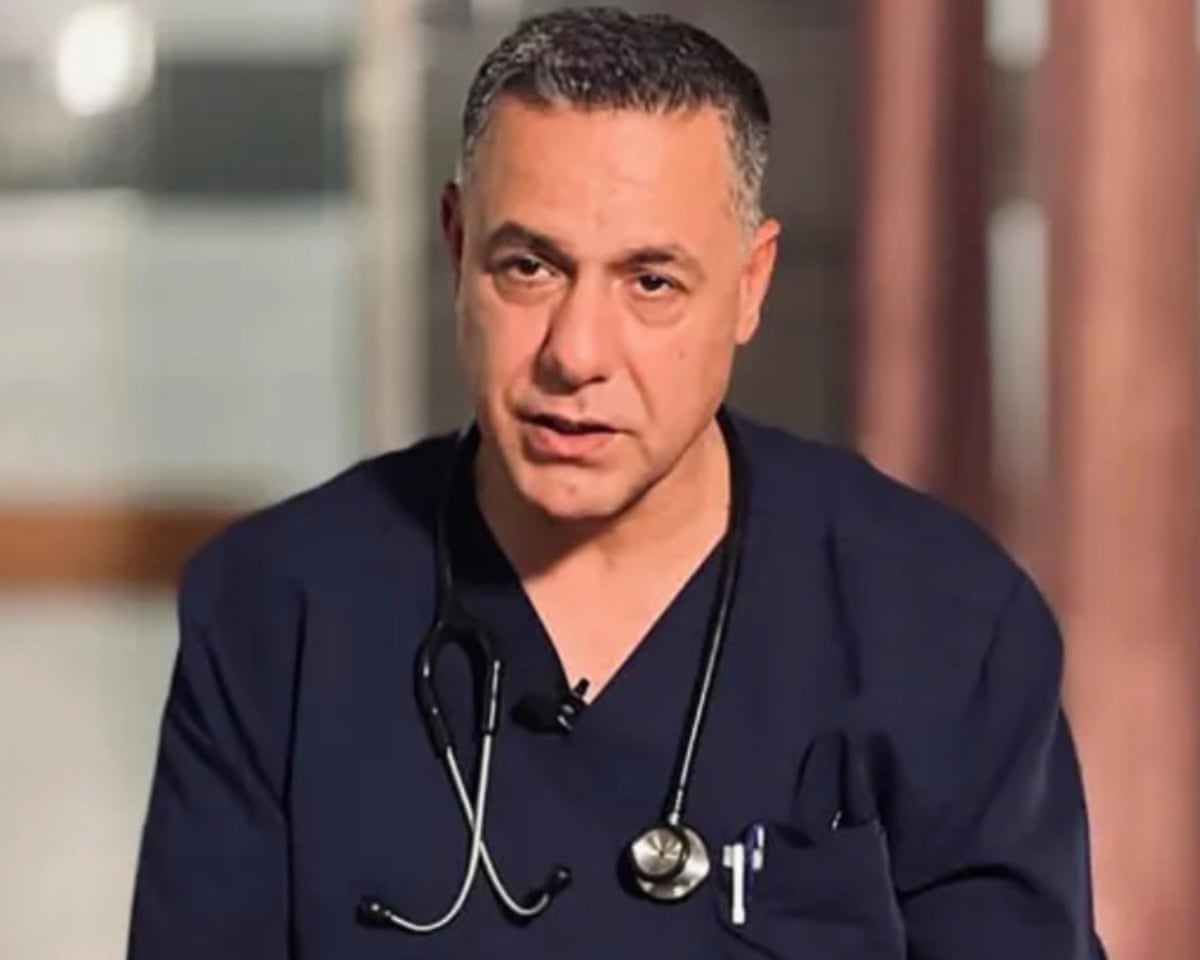
The troubling news of Dr. Abu Safiya’s solitary confinement came to light during a visit by a PHRI lawyer on June 4, who was there to see other detained doctors. Reports indicate that security personnel abruptly removed Dr. Abu Safiya from his cell without explanation, raising further concerns about his treatment.
Solitary confinement is widely recognized as one of the most severe forms of punishment, and the United Nations has stated that extended periods in such conditions can be tantamount to torture. Dr. Abu Safiya’s legal representative, Nasser Odeh, has filed an appeal for his release, but the response from Israeli officials has been disheartening, citing the unlawful combatants law which keeps proceedings confidential.
In March, a group of UN experts called for Dr. Abu Safiya’s immediate release and access to necessary medical care. He is among 14 Palestinian doctors currently held without charge by Israeli authorities. Earlier this year, PHRI petitioned the Israeli high court for their release, and the family is anxiously awaiting the court’s decision on the next steps.
The conditions reported by other detained doctors during the June visit were alarming, with many describing a deterioration in their treatment. Some have not seen a judge since December, and reports of excessive use of tear gas in the prison have raised serious concerns.
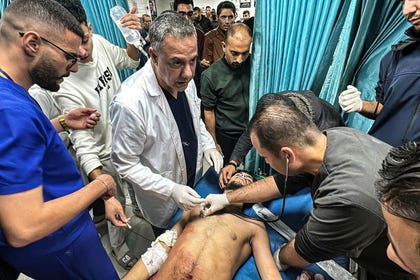
While the Israel Prison Service has stated that it cannot disclose information about individual prisoners due to privacy laws, they have denied the allegations regarding mistreatment. The Israeli Defense Forces have yet to comment on Dr. Abu Safiya’s ongoing detention without formal charges.
As the situation unfolds, the question remains: what will it take for justice and medical care to be granted to those who have dedicated their lives to saving others?