In a case that has haunted Virginia for over a decade, Teresa Lewis made history on September 23, 2010, becoming the first woman executed in the state in nearly a century. At 41, she faced the death penalty for orchestrating a murder-for-hire plot that claimed the lives of her husband and stepson, leaving a trail of questions about justice and morality.
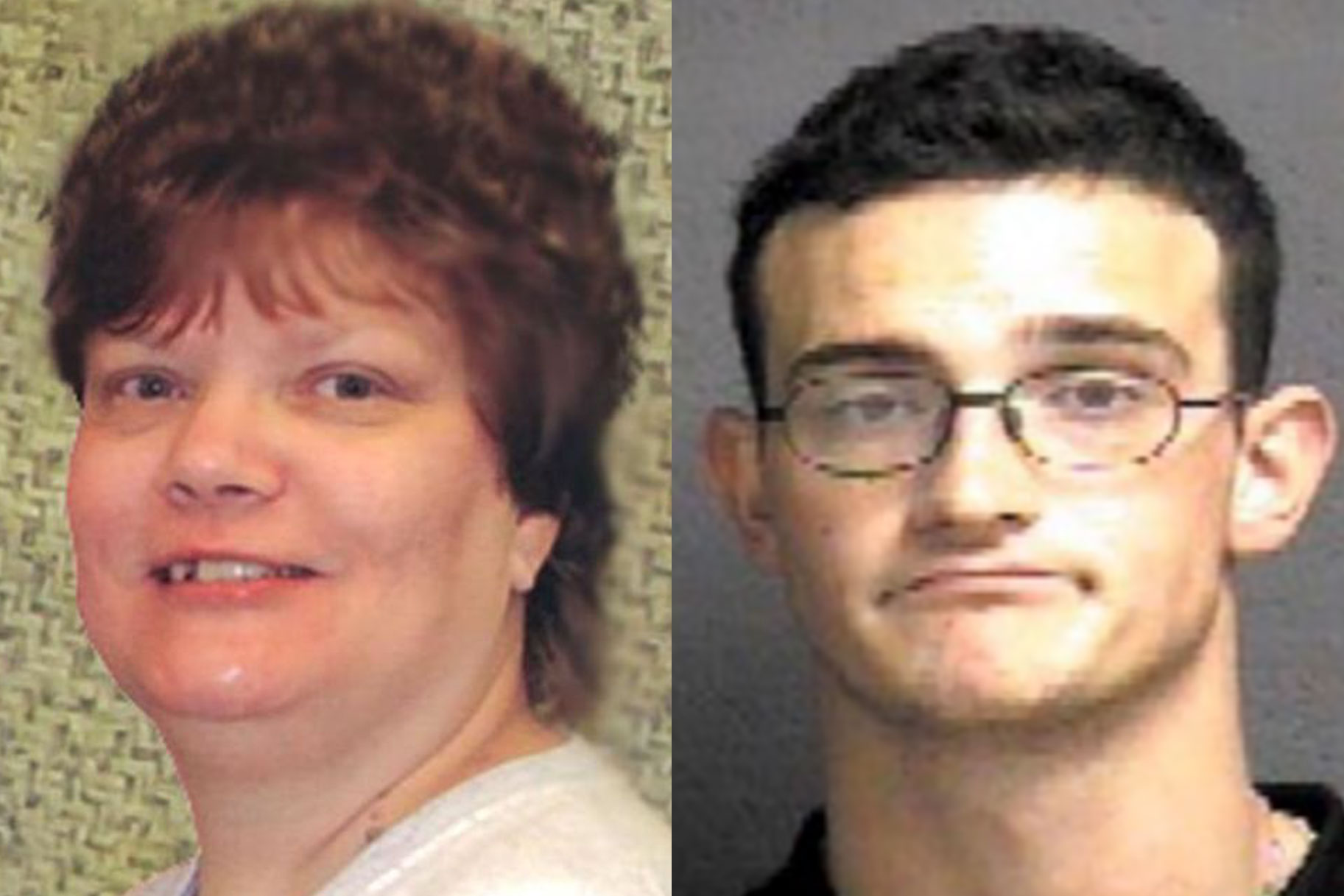
Teresa’s life began in the small town of Danville, Virginia, where she was born on April 26, 1969. Raised in a struggling family, her childhood was marked by hardship. After dropping out of school at 16 and marrying young, her life spiraled into turmoil following a divorce. Struggling with addiction and a series of low-paying jobs, Teresa seemed to drift without purpose.
In 2000, she found a new path when she met Julian Clifton Lewis, Jr., her supervisor at the Dan River Textile Mill. Julian, a grieving widower, welcomed Teresa and her teenage daughter, Christie, into his home, hoping for a fresh start. However, tragedy struck when Julian’s son, Jason, died in a car accident, leaving Julian with a substantial life insurance payout. This money was intended to provide stability but instead became the catalyst for a horrific crime.
The plot thickened when Julian’s younger son, Charles, known as C.J., enlisted in the Army Reserve and took out a life insurance policy naming his father and Teresa as beneficiaries. For Teresa to collect the $250,000 payout, both men had to die. This twisted motivation led her to meet two young men, Matthew Jesse Shallenberger and Rodney Lamont Fuller, at a Walmart, where she allegedly initiated sexual relationships and provided them with money to buy weapons.

On October 30, 2002, Teresa unlocked the back door of her home, allowing the men to enter. While she prayed with her husband before bed, the two men carried out the brutal act, shooting Julian and C.J. multiple times. Teresa then rifled through her husband’s pockets before finally calling for help, claiming it was a home invasion. However, her story quickly unraveled under police scrutiny.
Julian’s dying words hinted at Teresa’s involvement, leading investigators to uncover the chilling truth. Under pressure, she confessed to the plan, implicating Shallenberger and Fuller, both of whom received life sentences in exchange for their cooperation against her. Teresa was charged with capital murder and, despite her troubled past and claims of manipulation, was sentenced to death in 2003.
 The case sparked a national debate over the fairness of her sentence, particularly given the disparity between her punishment and that of the men who executed the murders. Critics pointed to her low IQ, reportedly around 70, as a factor that should have spared her from execution, especially in light of the Supreme Court’s ruling against executing individuals with intellectual disabilities.
As the execution date approached, Teresa’s case garnered international attention, with notable figures like author John Grisham and organizations such as Amnesty International advocating for clemency. Despite over 7,300 appeals for her life, Virginia Governor Bob McDonnell denied her request, stating he found no compelling reason to overturn the court’s decision.

On the day of her execution, Teresa reportedly displayed a mix of fear and calm. Her last words were directed toward her stepdaughter, Kathy, who watched from a two-way mirror. Teresa expressed her love and sorrow before the lethal injection was administered. She was pronounced dead at 9:13 p.m., marking a tragic end to a life filled with turmoil and a crime that raised more questions than answers.
The execution reignited discussions about the justice system, the nature of culpability, and the complexities of human behavior. Was Teresa Lewis a cold mastermind, or a woman ensnared by circumstances beyond her control? The debate continues, leaving many to ponder the true nature of justice. What do you think?