On January 24, 1989, the world watched as Ted Bundy faced his final moments, a chilling end for one of America’s most notorious figures. Behind the walls of Florida State Prison, the man who once charmed his way through life was now a shadow of his former self, grappling with the reality of his impending execution.
Bundy’s last day began with a grim notification from prison guards, marking the end of a long and twisted saga that began with his arrest in 1978. Once a promising law student, Bundy had become infamous for the brutal murders of at least 30 young women, a number many believe to be far greater. After two daring escapes from custody, he was finally captured following a horrific attack at the Chi Omega sorority house, where his fingerprints and a stolen vehicle led authorities straight to him.

As dawn broke, a crowd gathered outside the prison, their chants echoing the desire for justice. Signs reading “Burn Bundy Burn” filled the air, creating a carnival-like atmosphere as onlookers prepared for the execution of a man who had evaded justice for so long. Inside, Bundy was met with the stark reality of his fate. When informed of his execution time, he initially appeared numb, but the weight of the moment soon overwhelmed him, leading to tears and a sense of desperation.
Throughout the day, Bundy remained isolated in his cell, reflecting on his life and choices. His last meal, a standard serving of steak, eggs, and coffee, went untouched as he struggled with the gravity of his situation. Witnesses reported that he stared blankly at the food, his appetite lost amid the chaos of his thoughts.

Later, Bundy had a private meeting with a spiritual adviser, during which he reportedly confessed to several of his crimes. This admission, however, seemed less about remorse and more about a final attempt to manipulate the situation, hoping to delay his execution by offering details of his past. Even in his last hours, Bundy sought to exert control over his narrative.
As night fell, the atmosphere outside intensified, with more people arriving to witness history. The crowd swelled to around 500, a mix of supporters and those seeking closure. Inside, Bundy remained quiet, occasionally praying, his demeanor reflecting the weight of his impending fate.

With just hours to go, preparations for the execution were underway. Bundy was given fresh clothes and visited by a priest, who offered him communion. In a moment of vulnerability, Bundy whispered a final prayer, asking for forgiveness, a poignant contrast to the man who had once evaded accountability.
As the clock ticked closer to 7 a.m., witnesses began to arrive, including survivors and family members of his victims. For many, this was not a moment of celebration but a somber closure to years of pain and suffering. Bundy, now dressed and prepared, awaited his final walk to the execution chamber, his expression a mix of resignation and fear.
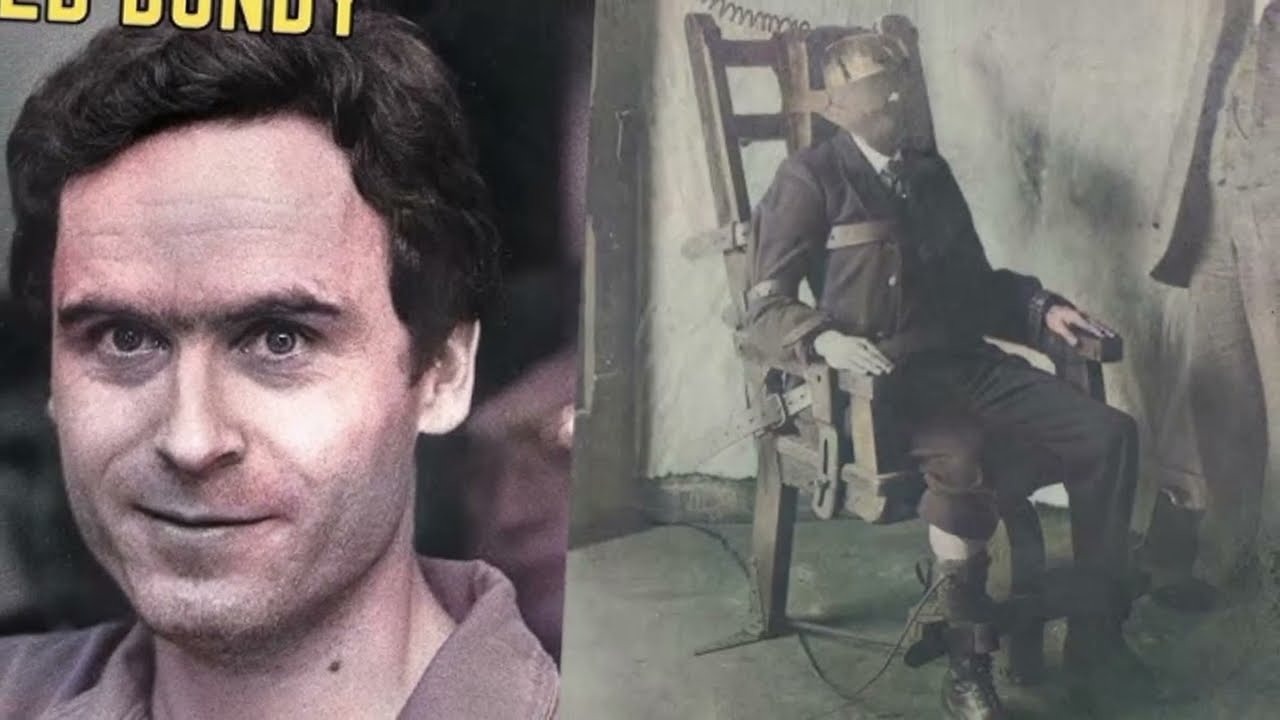
When the moment finally arrived, Bundy entered the chamber, where the electric chair awaited him. As he was secured into place, the warden asked if he had any last words. In a calm voice, Bundy simply requested that his love be conveyed to his family and friends, a stark reminder of the man he once was.
At 7:16 a.m., Ted Bundy was declared dead, marking the end of a chilling chapter in American crime history. Outside, the crowd erupted in a mix of cheers and tears, reflecting the complex emotions surrounding his execution. While Bundy may have left this world, the echoes of his actions continue to resonate. What does his legacy mean for those who survived him, and how will history remember the man behind the mask?