TEXAS EXECUTION CONTROVERSY: The Todd Willingham Case That Still Divides Experts
The case of Todd Willingham remains one of the most controversial death penalty cases in modern American history. Executed by the State of Texas in 2004 for the deaths of his three young daughters in a house fire, Willingham’s case continues to spark intense debate over forensic science, wrongful conviction claims, and the irreversible nature of capital punishment.
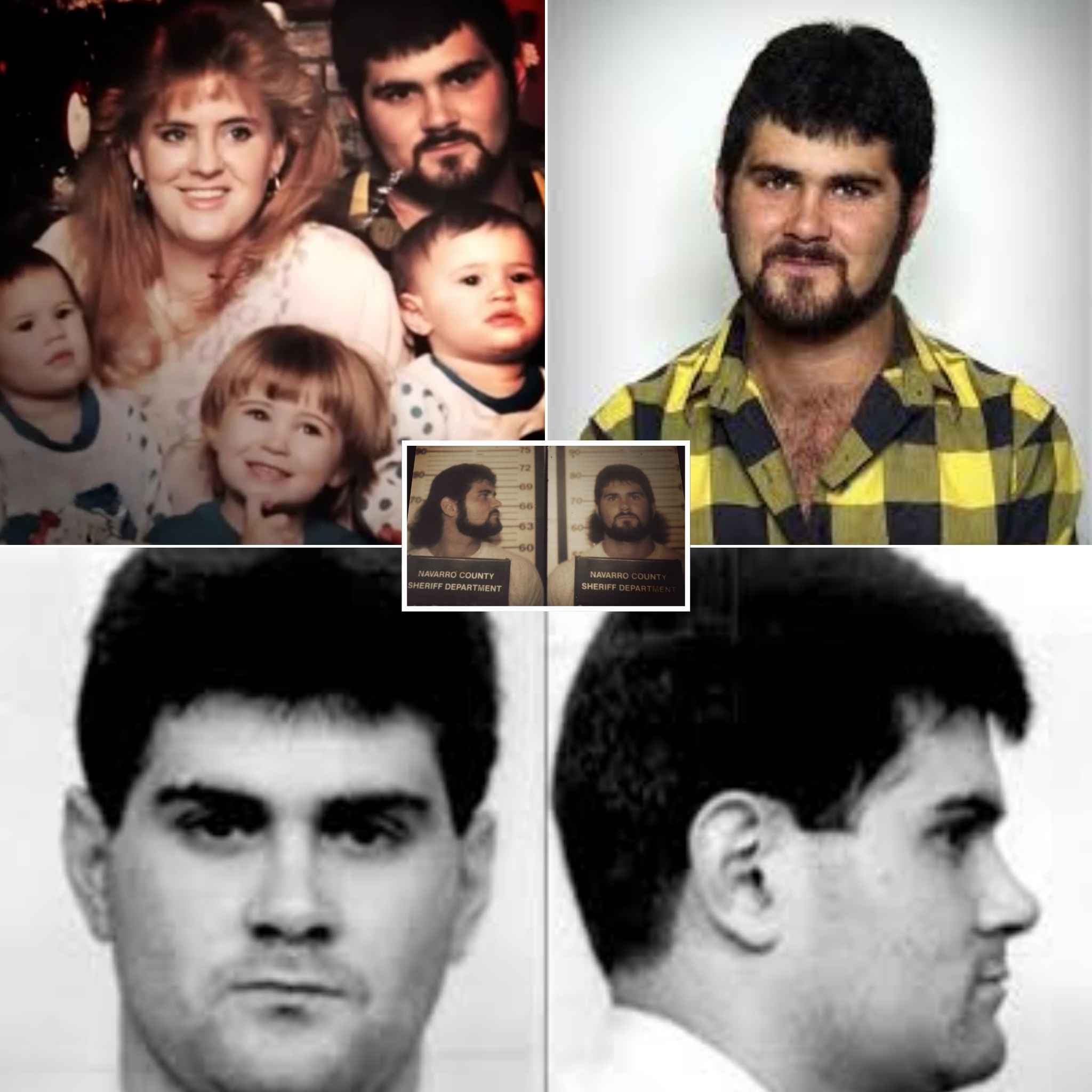
At the time of his execution, prosecutors maintained that Willingham intentionally set fire to his home in Corsicana, Texas, killing his daughters in an act of murder. He consistently denied the allegations and maintained his innocence until his final moments, insisting the fire was accidental.
But in the years following his death, the case became the subject of widespread scrutiny—especially as fire science experts challenged the original investigation that led to his conviction.
A HOUSE FIRE THAT CHANGED EVERYTHING
In December 1991, a fire broke out in Willingham’s home, killing his three daughters while he escaped. The tragedy immediately devastated the family and drew the attention of investigators.
At the time, fire investigators concluded that the blaze had been intentionally set. Their findings included interpretations of burn patterns and debris analysis that were commonly used in arson investigations during that era.

Based on this conclusion, Willingham was arrested and later convicted of capital murder.
He was sentenced to death.
THE TRIAL AND CONVICTION
During trial proceedings, prosecutors argued that Willingham deliberately set the fire and then attempted to mislead investigators. The state relied heavily on expert testimony regarding fire behavior, suggesting the blaze showed signs of accelerant use and intentional ignition.
Willingham, however, denied the allegations.
He maintained that he had tried to save his children and that the fire spread too quickly for anyone to control.
Despite his defense, the jury found him guilty, and he was sentenced to death.
EXECUTION IN 2004
After years of appeals, the courts upheld the conviction.
Todd Willingham was executed by lethal injection in Texas in 2004.

Until the end, he insisted on his innocence and maintained that he had not caused the fire that killed his daughters.
His final moments became part of a broader national conversation about capital punishment and the possibility of wrongful executions.
NEW QUESTIONS AFTER HIS DEATH
In the years following the execution, the case drew renewed attention when fire science experts reviewed the original investigation.
Many concluded that the forensic methods used at the time were outdated and unreliable by modern standards.
Some experts argued that the fire may not have been intentionally set at all, raising questions about whether the conviction rested on flawed scientific assumptions.
These findings sparked national debate and led to renewed criticism of how arson cases were investigated in earlier decades.
A CASE THAT STILL DIVIDES OPINION
The Willingham case has become a central example in discussions about the death penalty in the United States.
Supporters of the conviction argue that the legal process was followed and that multiple courts upheld the ruling.
Critics argue that the case shows how flawed forensic science and outdated investigative methods can lead to irreversible outcomes.
At the center of the debate remains a painful reality: three children died in a tragic fire, and their father was executed for their deaths.
CONCLUSION
More than two decades later, the Todd Willingham case continues to raise difficult questions about justice, science, and the death penalty.
Was it a case of intentional murder—or a tragic accident misunderstood through outdated forensic methods?
For many, the answer remains unsettled.
What is certain is that the case has become one of the most frequently cited examples in debates over wrongful convictions and capital punishment reform in the United States.
⚖️ Can a justice system ever truly recover from a possible wrongful execution—or is the risk an unavoidable cost of capital punishment?