TEXAS EXECUTION: Rosendo Rodriguez III Put to Death After Lubbock Suitcase Murder Case
Rosendo Rodriguez III was executed in Texas on March 27, 2018, bringing an end to a brutal capital murder case that shocked the Lubbock community and remained one of the most disturbing homicide investigations in the state for more than a decade.
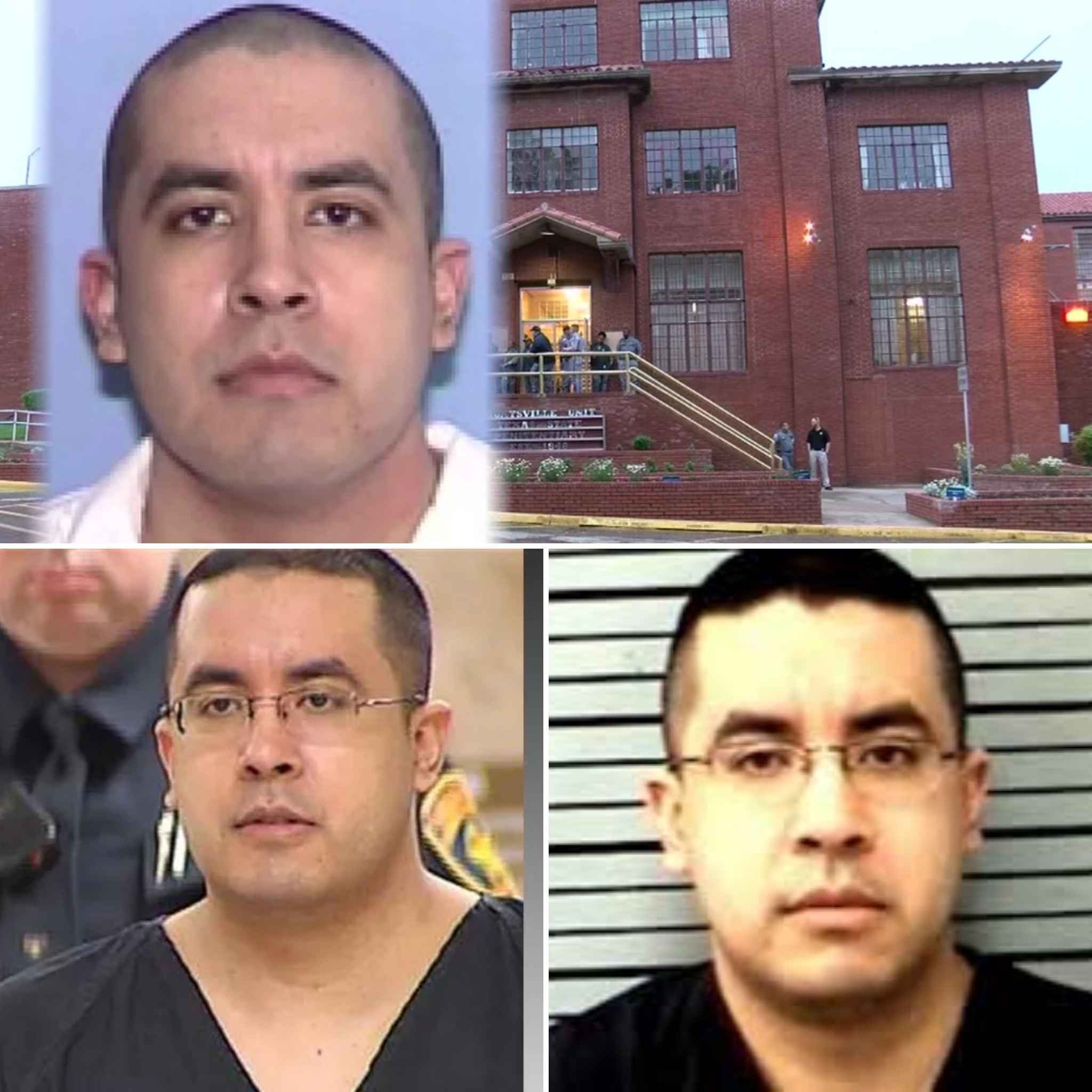
Born March 26, 1980, Rodriguez was a U.S. Marine reservist with no prior criminal record before the crimes that led to his conviction. His case became widely known due to the extreme violence involved and the unusual similarity between multiple victims discovered in separate incidents.
Authorities said Rodriguez was responsible for the September 2005 rape and murder of 29-year-old Summer Baldwin in Lubbock, Texas. Prosecutors also linked him to the earlier killing of 16-year-old Joanna Rogers, whose body was discovered in the same area months before Baldwin’s death.
Both victims were found inside suitcases discarded in a Lubbock landfill, a detail investigators said strongly connected the cases and helped establish a pattern of behavior.
THE CRIME THAT SHOCKED LUBBOCK
According to prosecutors, the murder of Summer Baldwin was both violent and calculated. Evidence presented in court showed that Baldwin was attacked in 2005, and investigators later determined she had been placed inside a suitcase after her death.
The case immediately drew significant attention due to the brutality of the crime and the vulnerability of the victim, a mother of four.
Investigators also focused on the circumstances surrounding the discovery of Joanna Rogers earlier that same year. The 16-year-old’s death, also involving a suitcase, became a key part of the prosecution’s argument that the cases were connected.
Law enforcement officials stated that similarities in the handling of the bodies helped lead them to Rodriguez as a suspect.
INVESTIGATION AND EVIDENCE
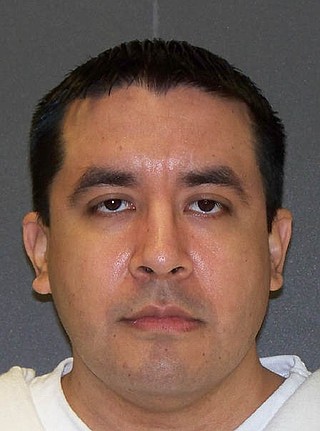
The investigation into the Lubbock suitcase murders expanded over time as detectives worked to identify links between the two cases.
According to court records, physical evidence and forensic analysis played a major role in connecting Rodriguez to both victims. Prosecutors also cited circumstantial evidence and behavioral patterns that they argued pointed toward a single offender.
Once Rodriguez was identified as a suspect, investigators built a case that included forensic findings and additional supporting evidence presented during trial proceedings.
Rodriguez was eventually arrested and charged with capital murder.
TRIAL AND DEATH SENTENCE
During the trial, prosecutors argued that Rodriguez committed both murders and attempted to conceal the crimes by disposing of the bodies in suitcases.
The prosecution emphasized the severity of the crimes and the similarities between the two cases as evidence of a pattern.
The defense argued against the state’s interpretation of the evidence and maintained that Rodriguez was not responsible for the killings. However, after hearing testimony and reviewing the evidence, the jury convicted him of capital murder.
Rodriguez was sentenced to death under Texas law.
DECADES ON DEATH ROW
Following his conviction, Rosendo Rodriguez III spent nearly 13 years on death row as his case moved through the appeals process.
Like most capital cases in the United States, multiple legal challenges were filed, reviewed, and ultimately rejected by the courts. The appeals process focused on procedural issues, evidence evaluation, and constitutional arguments, but the conviction remained upheld.
As the legal process continued, the case remained largely out of public attention until an execution date was set.
FINAL HOURS AND EXECUTION
On March 27, 2018, one day after his 38th birthday, Rosendo Rodriguez III was executed by lethal injection at the Huntsville Unit in Texas.
In the hours leading up to the execution, attention focused on his final statement and final moments in custody. As with many death penalty cases, these details drew public interest as the state carried out the sentence imposed years earlier.
Rodriguez did not offer an apology in his final words, instead making statements accusing prosecutors of misconduct.
His execution marked the formal conclusion of a case that had begun more than a decade earlier and had deeply affected the families of the victims.
THE VICTIMS REMEMBERED
The murders of Summer Baldwin and Joanna Rogers left lasting pain for their families and communities.
Summer Baldwin, a mother of four, was remembered by loved ones whose lives were permanently changed by her death. The circumstances of her killing made the case especially traumatic for those close to her.
Sixteen-year-old Joanna Rogers’ death earlier the same year added another layer of tragedy to the investigation, with both cases ultimately linked through forensic evidence and investigative work.
For the families of both victims, the long legal process meant years of waiting for resolution.
A CASE THAT STILL STIRS DEBATE
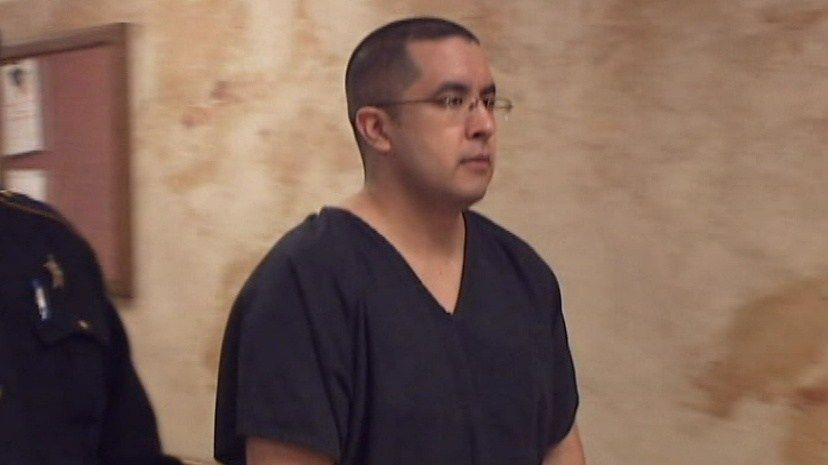
Even after the execution, the Rosendo Rodriguez III case continues to be referenced in discussions about violent crime, forensic investigation, and capital punishment in the United States.
Supporters of the sentence argue that the brutality of the crimes justified the death penalty and that justice was ultimately served after years of legal review.
Critics of capital punishment point to broader concerns about the lengthy appeals process and whether executions after many years provide meaningful closure.
The case remains part of Texas’ broader history of death penalty enforcement, particularly in cases involving serial or repeat violent offenders.
CONCLUSION
The execution of Rosendo Rodriguez III in 2018 closed one of Lubbock’s most disturbing criminal cases. Convicted of the 2005 rape and murder of Summer Baldwin and linked to the earlier killing of Joanna Rogers, Rodriguez spent more than a decade on death row before his sentence was carried out.
For the victims’ families, the execution represented the end of a long legal journey. For others, it reignited broader debates about justice, punishment, and the death penalty system in the United States.
Years later, the case remains a stark reminder of how violent crime can ripple through families, communities, and the justice system for decades.
⚖️ After more than a decade of appeals, do you believe executions like this bring justice—or simply close a legal chapter without true closure for anyone involved?