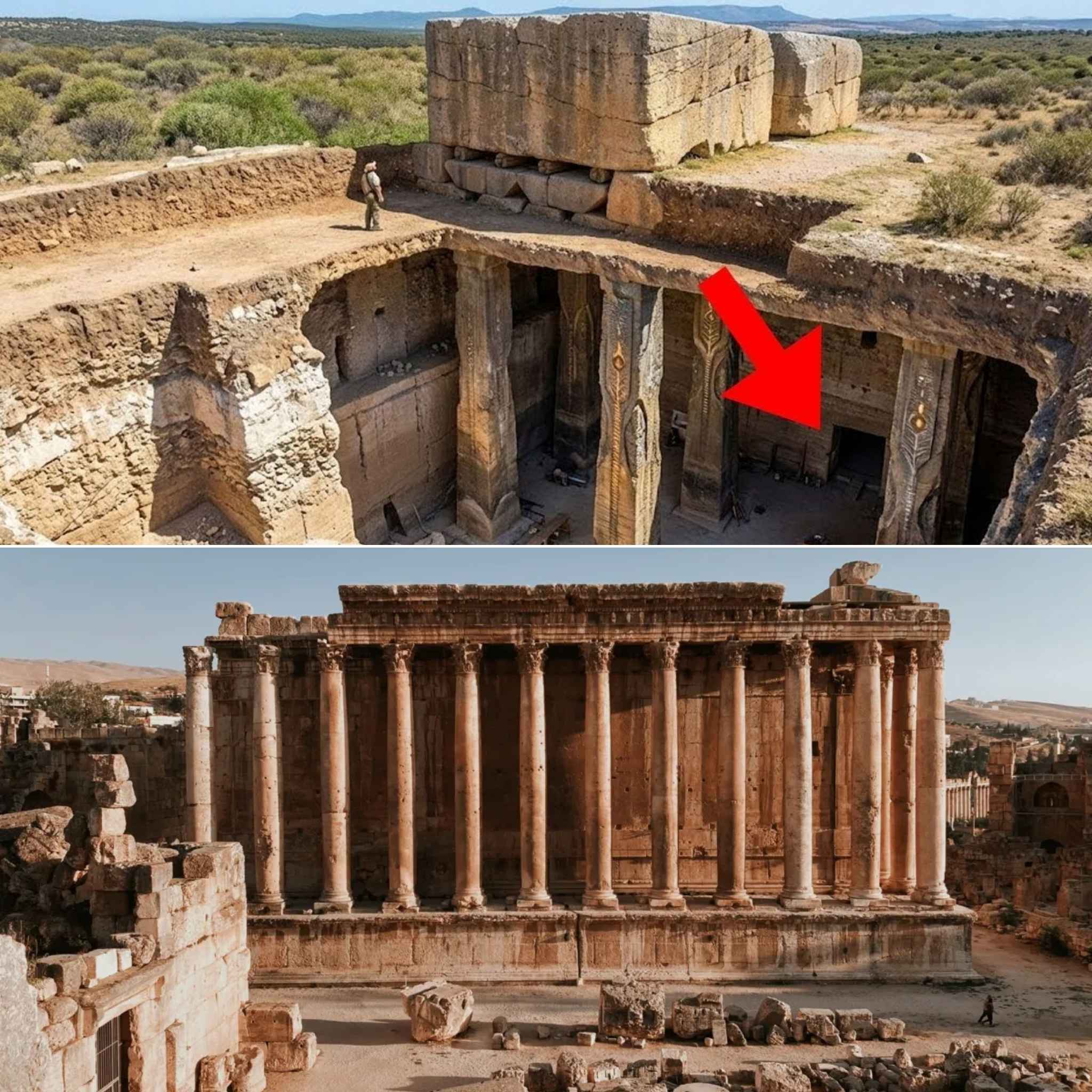
A recent wave of online claims about a mysterious cave found beneath the Euphrates River has sparked intense discussion across social media and alternative history communities. According to viral posts, unusual artifacts and carvings were allegedly discovered in a submerged cave system, leading some to speculate about “fallen angel-like figures” and ancient supernatural events.
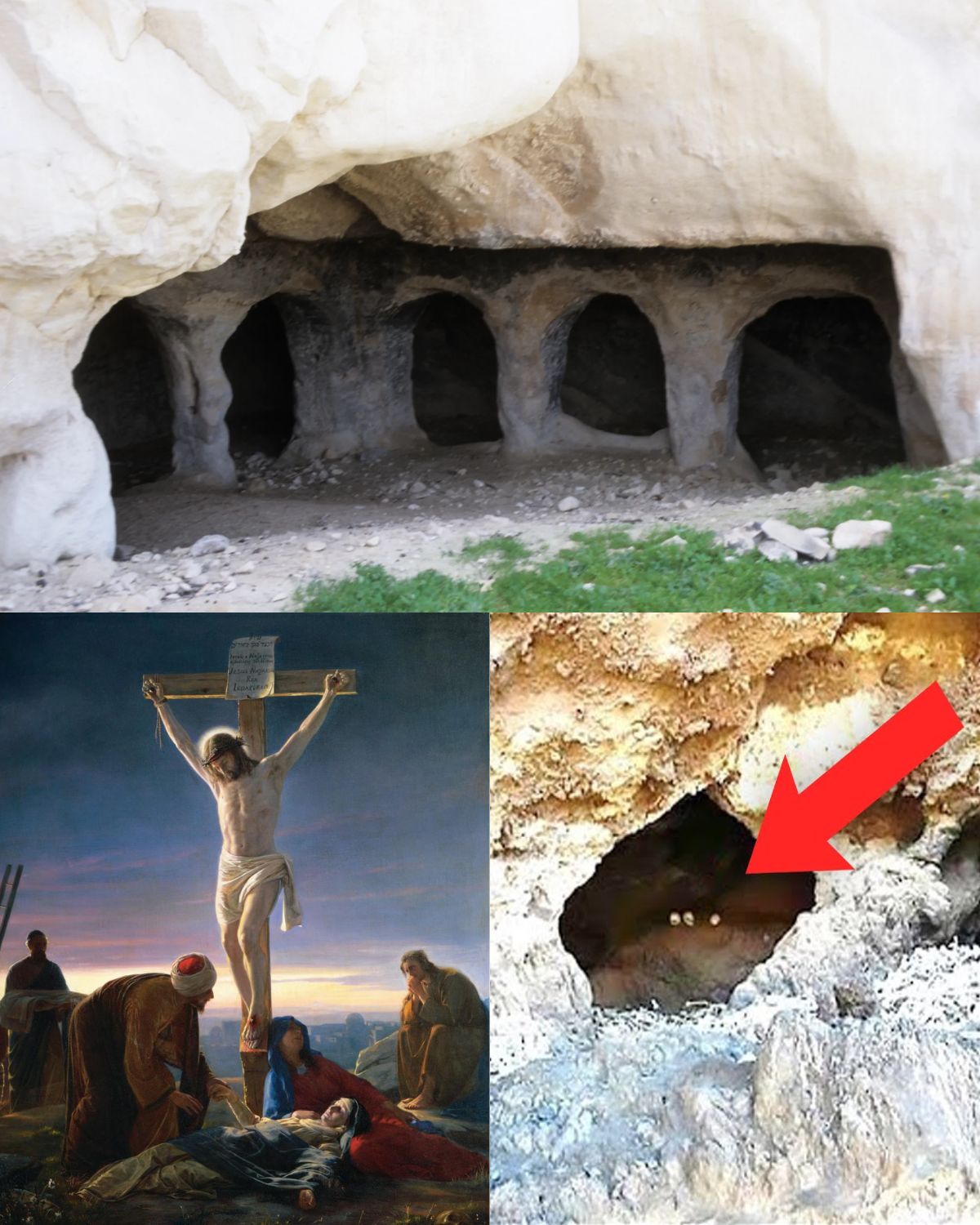
While these dramatic interpretations have spread quickly online, experts emphasize that there is currently no verified archaeological evidence supporting claims of “fallen angels” or any supernatural beings found at the site. Instead, what is confirmed is that the Euphrates region has long been an area of major archaeological interest, with numerous ancient settlements and submerged structures discovered over the years due to shifting water levels and historical river changes.
Archaeologists note that many underwater and cave discoveries in the Middle East often get misinterpreted when shared on social platforms. Ancient statues, eroded reliefs, or damaged carvings can easily appear strange or “otherworldly” when removed from their cultural and historical context, fueling speculation that goes far beyond what the evidence actually shows.
Despite the lack of scientific confirmation, the story has gained traction due to its dramatic connection to religious symbolism and end-times narratives. Scholars caution that while such interpretations are emotionally powerful, they should not be confused with archaeological fact. Responsible research requires careful excavation, peer review, and verification before drawing conclusions.
For now, the alleged “cave beneath the Euphrates” remains part of an ongoing internet mystery rather than a confirmed discovery. Still, it highlights how quickly ancient history, modern technology, and viral storytelling can combine to create powerful — and often misleading — narratives that capture global attention.