CHILD SACRIFICE ATOP LLULLAILLACO VOLCANO REWRITES THE POLITICAL STORY OF THE INCA EMPIRE
High in the thin air of the Andes, where oxygen is scarce and the landscape turns into frozen rock and wind-carved silence, three children were placed to rest on one of the most extreme archaeological sites ever discovered on Earth.
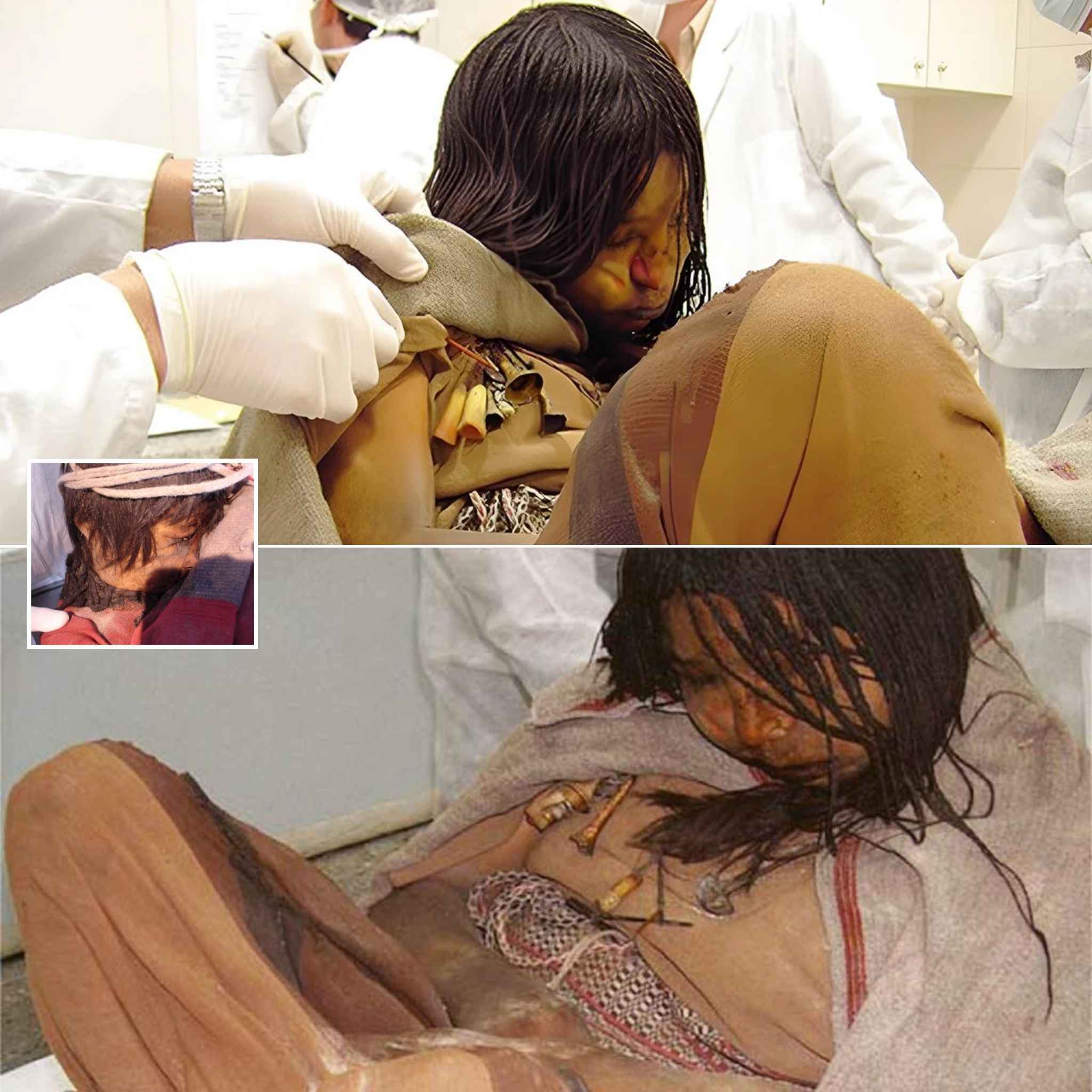
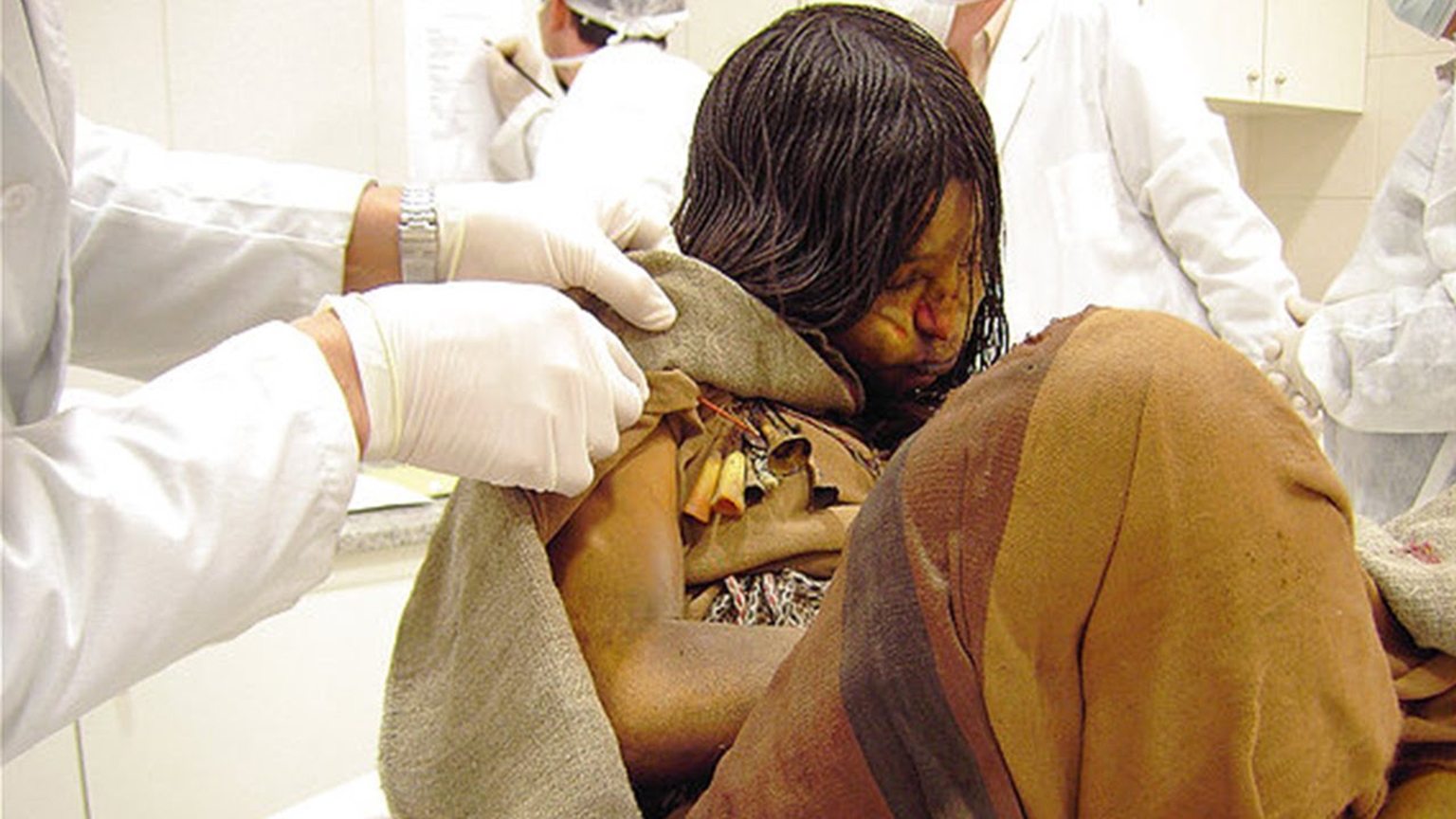
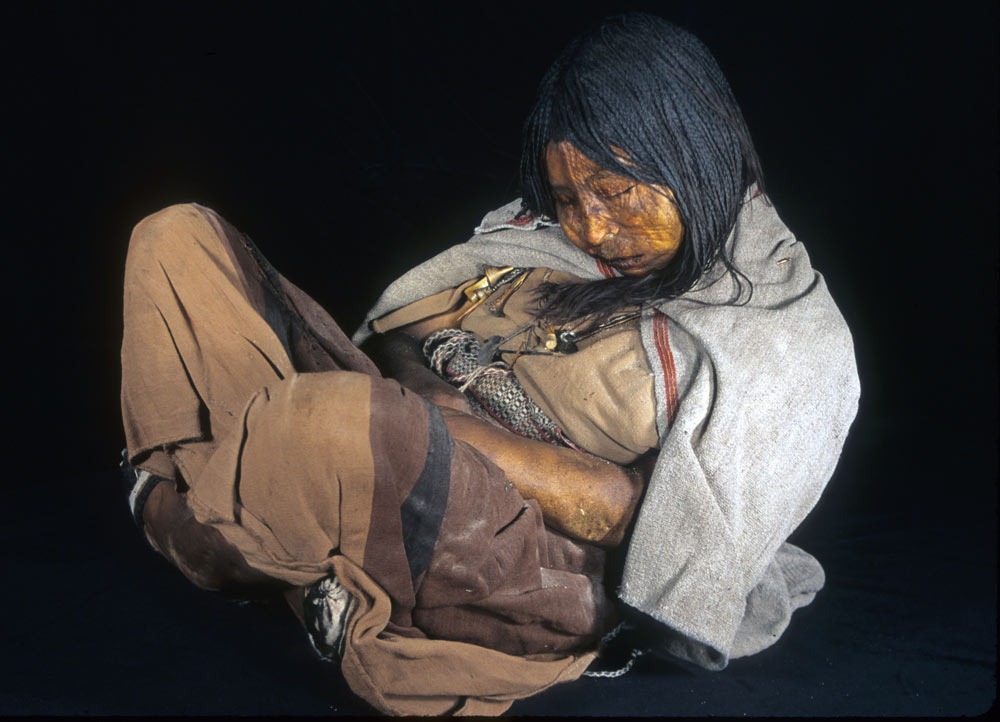
At the summit of Llullaillaco volcano, 6,739 meters (22,109 feet) above sea level on the border between Argentina and Chile, archaeologists uncovered the remains of three remarkably preserved Inca children in 1999. Known as part of the sacred capacocha ritual, these burials are among the best-preserved mummies in the world—yet their exact timing and political meaning have remained debated for decades.
Now, a new scientific study analyzing plant remains buried alongside the children suggests a much more precise date: around 1499 AD, placing the ritual directly within the reign of Emperor Huayna Capac, during a crucial moment of imperial expansion.
The findings are reshaping how historians understand not just the ritual itself—but the political machinery behind it.
THE CHILDREN OF LLULLAILLACO
The discovery was made by a team led by archaeologist Johan Reinhard during high-altitude exploration of the volcanic summit in 1999.
Three children were found buried near the summit:
- A teenage girl, often referred to as the Llullaillaco Maiden
- A 7-year-old boy
- A 6-year-old girl
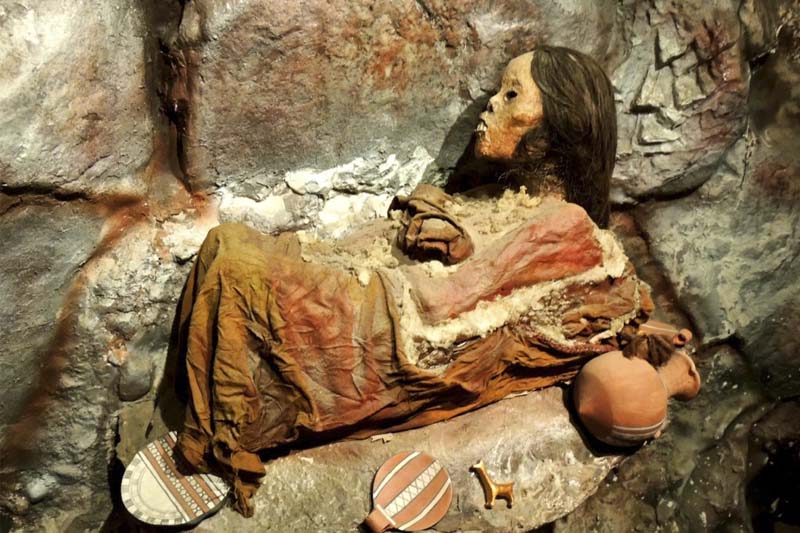
Their bodies were astonishingly well preserved due to freezing conditions, retaining hair, skin, clothing, and even food residues from their final months.
Archaeologists quickly identified the burial as part of the Inca capacocha system, a state-sponsored ritual in which selected children were taken from across the empire, prepared over months, and ultimately sacrificed at sacred mountain shrines.
But while the ritual itself was understood, one key question remained unresolved:
When exactly did this happen?
IMAGE 1: SUMMIT OF LLULLAILLACO VOLCANO
A SCIENTIFIC BREAKTHROUGH: PLANTS THAT HOLD A PRECISE TIMELINE
To refine the dating, researchers turned to something unexpectedly small but scientifically powerful: plant remains buried with the children.
These included:
- Maize (corn)
- Cassava
- Coca leaves
Unlike human tissue, these plants absorb atmospheric carbon over very short growth cycles. This makes them ideal for high-precision radiocarbon dating, capable of narrowing down historical windows far more accurately than earlier methods based on hair or bone.
The international research team, led by Dominika Sieczkowska-Jacyna of the Silesian University of Technology, analyzed isotopic signatures from these botanical remains.
Their results, published in Archaeometry, produced a striking conclusion:
- Estimated range: 1462–1507 AD
- Most probable date: around 1499 AD
This dramatically sharpens previous estimates, which had spanned nearly a century.
A RITUAL EMBEDDED IN EMPIRE BUILDING
The refined date places the sacrifice during the reign of Huayna Capac (1493–1525), one of the most powerful rulers of the Inca Empire.
During his reign:
- The empire expanded deep into modern Ecuador and Colombia
- Newly conquered southern territories were being consolidated
- Political authority was being reinforced across distant provinces
Llullaillaco sits in the empire’s southern frontier region—an area recently integrated into Inca control at the time of the sacrifice.
This timing is crucial.
Rather than being an isolated religious act, the ritual now appears tightly connected to state expansion and political consolidation.
IMAGE 2: CAPACOCHA CEREMONIAL SCENE (RECONSTRUCTION)
THE CAPACOCHA SYSTEM: SACRIFICE AND STATE POWER
The capacocha ritual was one of the most important ceremonial systems in the Inca world.
Selected children were:
- Chosen for physical perfection and symbolic purity
- Taken from noble or allied families across the empire
- Transported to Cuzco, the imperial capital
- Feasted, ritually prepared, and given offerings such as coca and alcohol
- Finally sent to sacred mountain shrines for sacrifice
These rituals were not random acts of violence. They were deeply structured state ceremonies, tied to:
- Political legitimacy
- Agricultural cycles
- Territorial control
- Religious obligation to mountain deities (apus)
Mountains were believed to be living beings, and high-altitude sacrifices were seen as powerful offerings that bound the empire to the gods.
POLITICAL SACRIFICE IN THE HIGHEST PLACE ON EARTH
The new dating evidence suggests the Llullaillaco sacrifice may have been part of a broader imperial strategy.
Researchers argue it likely served multiple functions:
1. Ritual anchoring of territory
By performing capacocha at newly conquered frontier zones, the Inca state symbolically “sealed” its control through divine approval.
2. Political messaging
Sacrifices demonstrated imperial reach—children could be taken from across the empire and delivered to its most remote peaks.
3. Alliance reinforcement
Local groups may have participated in or witnessed these ceremonies as part of political integration.
4. Imperial ideology
The ritual reinforced the idea that the emperor maintained cosmic balance between humans, nature, and gods.
In this interpretation, the children were not only religious offerings—they were also part of statecraft at the highest level.
HISTORICAL ACCOUNTS AND ARCHAEOLOGICAL EVIDENCE
Spanish colonial chronicles describe Inca rulers, including Huayna Capac, traveling through the empire and making major ritual offerings, including human sacrifices, during political campaigns.
While these texts are incomplete and often biased, the new scientific dating aligns remarkably well with these historical narratives.
However, archaeologists caution:
- Direct linkage between the Llullaillaco children and specific recorded events cannot be proven
- But the chronological overlap is now much stronger than before
- The ritual fits a known pattern of imperial activity during this period
IMAGE 3: LLULLAILLACO MUMMIES DISPLAYED
WHAT THE PLANTS REVEAL ABOUT HUMAN HISTORY
One of the most important contributions of this study is methodological rather than purely historical.
By using short-lived plants for radiocarbon dating, researchers can now:
- Narrow ritual timelines to within decades
- Link archaeological events to specific political reigns
- Cross-reference environmental data with historical records
- Improve chronological accuracy in high-altitude archaeology
This approach may soon be applied to other famous Inca sites, including:
- Mount Ampato (Peru)
- Cerro El Plomo (Chile)
- Other frozen mountain burials across the Andes
Each could help reconstruct how the Inca Empire used ritual as a tool of governance.
THE HUMAN DIMENSION OF A POLITICAL RITUAL
Despite the political and archaeological significance, the Llullaillaco children remain at the center of the story.
They were:
- Between childhood and adolescence
- Carefully prepared for months before death
- Taken far from their home regions
- Placed in one of the harshest environments on Earth
Their preservation allows researchers to reconstruct not only imperial strategy—but also the deeply human cost embedded within it.
CONCLUSION: A MOMENT FIXED IN TIME ON A MOUNTAIN PEAK
The new botanical dating study does more than refine a timeline.
It places the Llullaillaco capacocha at a precise moment in history—around 1499 AD, during a period when the Inca Empire was expanding, consolidating, and asserting control over vast and diverse territories.
At the summit of a volcano above the clouds, ritual, politics, and imperial ideology converged in one of the most remote ceremonial spaces ever used by humans.
And for over 500 years, the frozen silence of Llullaillaco has preserved that moment—until science finally began to read it.