TEXAS EXECUTION: Juan Edward Castillo and the “Lovers’ Lane” Killing That Sparked Years of Legal Battles
The execution of Juan Edward Castillo on May 16, 2018, brought an end to a case that had haunted Texas courts for more than a decade. Convicted for a 2003 robbery and fatal shooting that prosecutors described as a planned “lovers’ lane” ambush, Castillo spent roughly 15 years on death row before the state carried out his sentence at the Huntsville Unit.
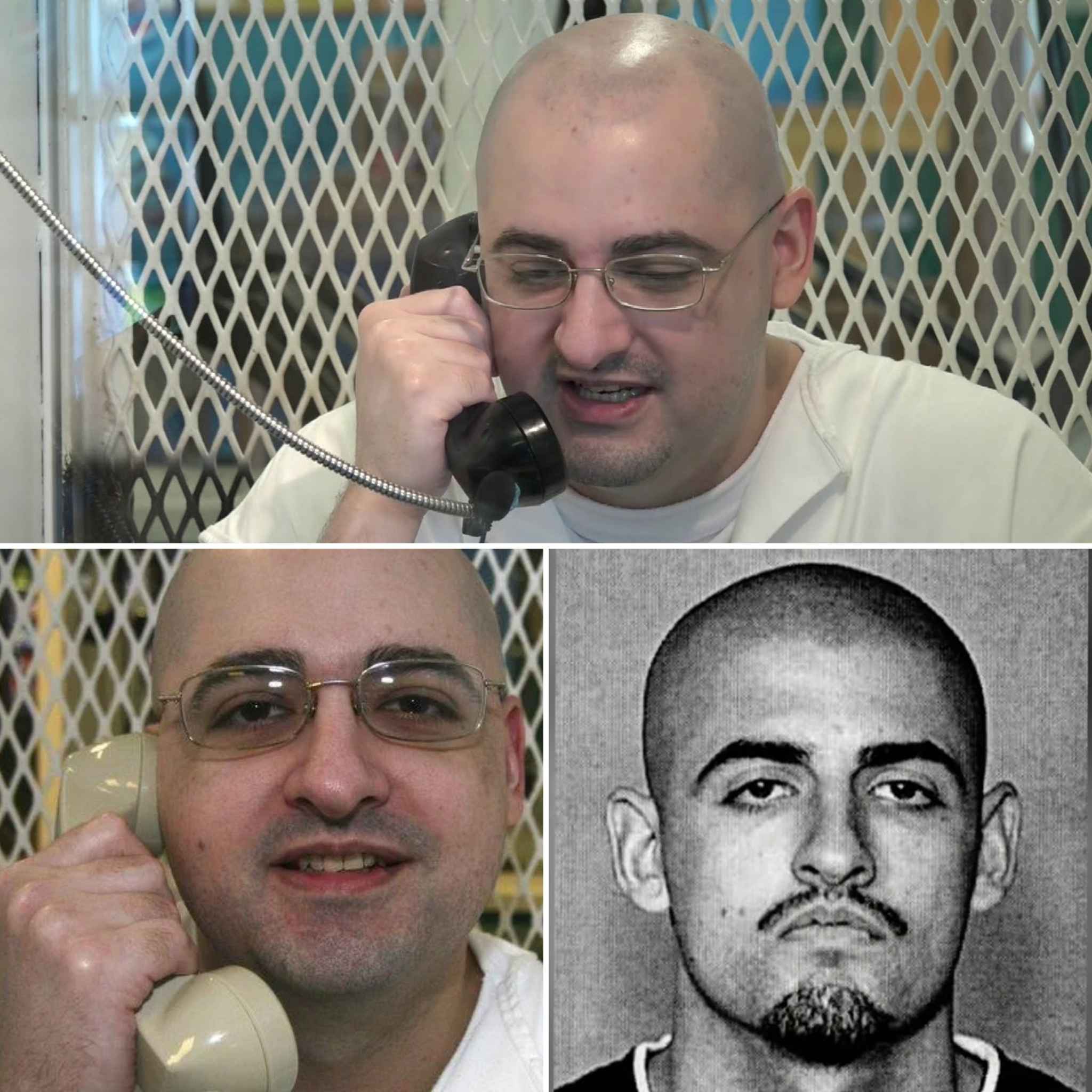
The case drew widespread attention not only because of the violent nature of the crime, but also because of the legal controversies that followed—ranging from conflicting witness testimony to claims made by defense attorneys about a jailhouse informant who later recanted key statements.
For supporters of the verdict, the execution represented long-delayed justice for the victim and his family. For critics, it raised enduring questions about reliability of testimony, plea deals offered to co-defendants, and whether the right man was ultimately held responsible.
THE CRIME THAT STARTED IT ALL
According to prosecutors, the events that led to the conviction unfolded in 2003, when 19-year-old Tommy Garcia Jr. was lured to a secluded area in San Antonio under the pretense of meeting for drugs and a sexual encounter.
Authorities alleged that Castillo and three other individuals coordinated a robbery scheme that quickly escalated into violence. When Garcia attempted to flee, he was shot multiple times and killed at the scene.
Investigators later described the attack as premeditated, involving multiple participants who had agreed in advance to carry out a robbery that ended in murder.
The brutality of the crime, combined with the youth of the victim, made the case one of the most closely followed homicide investigations in the region at the time.
THE INVESTIGATION AND MULTIPLE SUSPECTS
Law enforcement quickly identified four individuals allegedly involved in the crime. As the investigation developed, prosecutors said the group had played different roles in planning and executing the robbery.
Three of the co-defendants eventually accepted plea deals in exchange for reduced sentences, reportedly ranging from 20 to 40 years in prison. Over time, some of those individuals were later released on parole.
Juan Edward Castillo, however, chose to fight the charges in court.
Prosecutors argued that he was the central participant in the killing. His defense team strongly disputed that claim, arguing that evidence relied heavily on testimony from co-defendants and jailhouse informants whose credibility was questionable.
The case soon became a complex legal battle centered not only on the crime itself, but also on who bore ultimate responsibility.

TRIAL AND CONTROVERSIAL CONVICTION
At trial, prosecutors presented testimony from individuals involved in the case, along with circumstantial evidence linking Castillo to the shooting.
The state argued that the robbery had been planned in advance and that Castillo played a leading role in carrying out the attack that resulted in Garcia’s death.
Defense attorneys challenged the reliability of the prosecution’s witnesses, arguing that co-defendants had incentives to minimize their own involvement in exchange for reduced sentences.
One of the central points of contention during later appeals involved claims that a jailhouse informant testified that Castillo confessed to the crime. According to defense filings and later affidavits cited in appeals, that informant later recanted, claiming the statements had been fabricated or coerced.
Despite these arguments, the jury convicted Castillo of capital murder.
He was sentenced to death under Texas law.
YEARS OF APPEALS AND DELAYS
After his conviction in 2005, Castillo entered Texas’ death row system, beginning a long legal process that would stretch for more than a decade.
Like many capital cases, his conviction was subject to extensive appeals in both state and federal courts. Defense attorneys raised arguments involving witness credibility, procedural fairness, and constitutional concerns.
The case also experienced delays due to external factors, including disruptions caused by major events such as Hurricane Harvey, which impacted court operations and scheduling in Texas.
Despite multiple appeals and requests for stays of execution, courts repeatedly upheld the conviction and sentence.
By 2018, all major legal challenges had been exhausted.
FINAL HOURS BEFORE EXECUTION
On May 16, 2018, Juan Edward Castillo was executed by lethal injection at the Huntsville Unit in Texas.
In the hours leading up to his execution, attention focused on his final statements and the conclusion of a legal process that had lasted approximately 15 years.
According to reports, Castillo maintained his innocence until the end.
His final words were brief:
“Love y’all. See y’all on the other side.”
The execution marked the end of a case that had remained part of Texas’ broader death penalty history since the early 2000s.

THE VICTIM: TOMMY GARCIA JR.
At the center of the case was Tommy Garcia Jr., a 19-year-old whose life was cut short in the 2003 shooting.
Prosecutors described the crime as a planned robbery that escalated into murder, leaving his family to endure years of grief and courtroom proceedings.
For the victim’s family, the case stretched far beyond the trial itself. Each appeal and delay meant revisiting the details of a violent loss that had permanently altered their lives.
Advocates for victims often emphasize that capital cases involve not only legal arguments, but also long-term emotional consequences for families waiting for resolution.
CONTROVERSY AND COMPETING CLAIMS
Even after the conviction and execution, Castillo’s case remained controversial in some legal discussions.
Defense arguments highlighted issues such as:
- reliance on co-defendant testimony
- the credibility of jailhouse informants
- later recantations of key statements
- and disputes over the interpretation of evidence
Prosecutors, however, maintained that the totality of evidence supported the conviction and that the appeals process confirmed the legality of the sentence.
This divide reflects a broader tension in capital punishment cases, where finality and certainty often collide with questions about witness reliability and procedural fairness.
A CASE THAT STILL SPARKS DEBATE
The execution of Juan Edward Castillo continues to be referenced in discussions about the American death penalty system.
Supporters of the sentence argue that the violent nature of the crime and the successful prosecution of multiple appeals justified the execution after years of review.
Critics point to the long delays, the use of cooperating witnesses, and claims of recanted testimony as reasons to question whether capital punishment always produces certainty.
These competing perspectives remain central to ongoing debates about justice in the United States.
CONCLUSION
The execution of Juan Edward Castillo in 2018 closed a case that began with a 2003 robbery and shooting that killed 19-year-old Tommy Garcia Jr. After years of legal proceedings, multiple co-defendants, and extensive appeals, Texas ultimately carried out the death sentence at Huntsville Unit.
For the victim’s family, the execution represented the end of a long and painful legal journey. For others, it raised continued questions about witness reliability, plea deals, and the complexities of capital murder prosecutions.
More than a decade after the crime, the case remains part of the broader national conversation about capital punishment and whether the legal system always reaches the correct outcome in its most irreversible decisions.
⚖️ After years of appeals and conflicting testimony, do you believe executions like this represent final justice—or do they highlight the risks of irreversible punishment?