Over the years, social media and various online platforms have repeatedly shared stories suggesting that scientists have discovered “giant human skeletons” whose DNA does not match any known species. These claims often imply that modern genetics has uncovered something outside the current understanding of human evolution. However, none of these stories are supported by peer-reviewed scientific research or recognized archaeological institutions.

In actual scientific practice, DNA analysis from ancient remains is a highly controlled process. When genetic material is successfully extracted from bones or fossils, it is compared against extensive databases of known species. This allows researchers to identify whether the remains belong to modern humans, ancient human relatives, or animals. So far, all verified studies have consistently placed ancient human DNA within known evolutionary lines, including Homo sapiens and closely related species such as Neanderthals and Denisovans.
The idea of “giant skeletons” is usually based on misinterpretations of incomplete fossils, exaggerated reports, or misidentified animal remains. In some cases, large bones found in archaeological sites belong to extinct megafauna, such as mammoths or large prehistoric mammals, rather than human beings. In other situations, unusually tall human remains can be explained by natural biological variation or medical conditions such as gigantism.
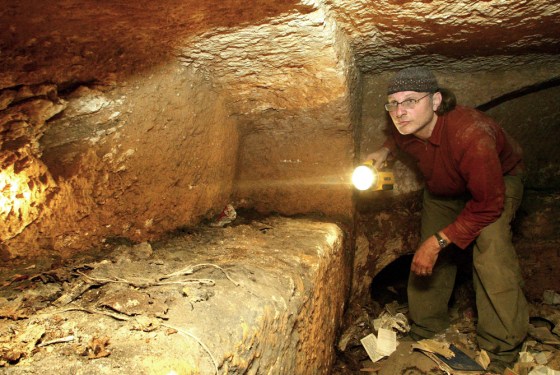
Modern archaeology and genetics rely on strict scientific standards, including radiocarbon dating, stratigraphic analysis, and DNA sequencing techniques that are repeatedly tested and verified. These methods ensure that conclusions about ancient life are based on reproducible evidence rather than speculation or isolated claims.
There is currently no credible scientific publication that confirms the existence of a giant human species or DNA that cannot be classified within known biological frameworks. The study of human evolution is well documented and continues to be refined, but it remains firmly grounded in observable and verifiable data.
Ultimately, while the idea of giant skeleton discoveries may be compelling in online narratives, real science tells a different story. All verified evidence supports a consistent understanding of human biology and evolution, with no indication of unknown giant species existing in the archaeological record.