Recent genetic studies of ancient Maya remains have provided valuable insight into the population history of Mesoamerica, revealing that the Maya were not a single isolated group but part of a broader network of Indigenous populations that evolved over thousands of years. DNA analysis from skeletal remains and archaeological sites shows continuity with modern Indigenous peoples in the region, as well as evidence of migration and interaction among different ancient groups in the Americas.

Rather than showing anything unusual or “unexpected,” the genetic data supports what archaeology has already suggested: the Maya civilization developed through long-term cultural and biological continuity in Central America, particularly in areas that are now Mexico, Guatemala, Belize, and Honduras. These populations adapted to diverse environments, from lowland rainforests to highland regions.
Ancient DNA studies in the Americas are often limited by preservation conditions, as warm and humid climates can degrade genetic material over time. Despite these challenges, researchers have still been able to reconstruct partial genomes that help trace ancestry patterns and population movements.
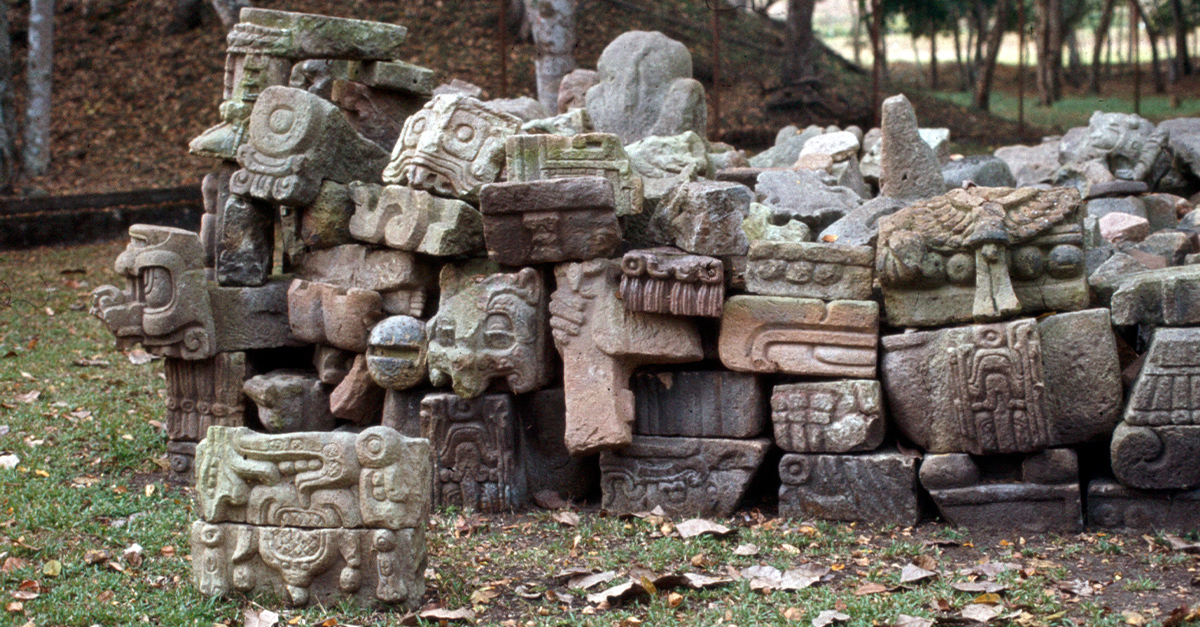
So far, no peer-reviewed research has shown any evidence of an unknown or radically different genetic lineage within the Maya compared to other Indigenous American populations. Instead, the results contribute to a broader understanding of how Native American groups diversified after the initial peopling of the Americas.
Overall, DNA research on the Maya lineage does not point to a “far stranger than expected” mystery, but rather reinforces a well-established scientific view: the Maya were part of a complex, interconnected history of Indigenous peoples who shaped ancient Mesoamerica over millennia.