The San Antonio Spurs are under growing scrutiny following a tough Game 4 defeat that pushed them into a 3-1 deficit in the NBA Finals against the New York Knicks. The loss has sparked widespread discussion about late-game execution, decision-making, and overall composure in critical moments of the series.
Much of the postgame debate has focused on coaching choices down the stretch, including timeout management, rotation adjustments, and play-calling in high-pressure possessions. In tightly contested Finals games, even minor decisions can significantly influence momentum, and analysts have been quick to examine where the Spurs may have fallen short.
Despite the criticism, there has been no indication that the team is making any drastic changes internally. Instead, the focus remains on reviewing film and identifying adjustments that could help improve execution heading into Game 5.
San Antonio’s young core has been a key storyline throughout the postseason, and while inconsistency is expected in high-pressure environments, the franchise has repeatedly shown resilience in bouncing back from setbacks earlier in the year.
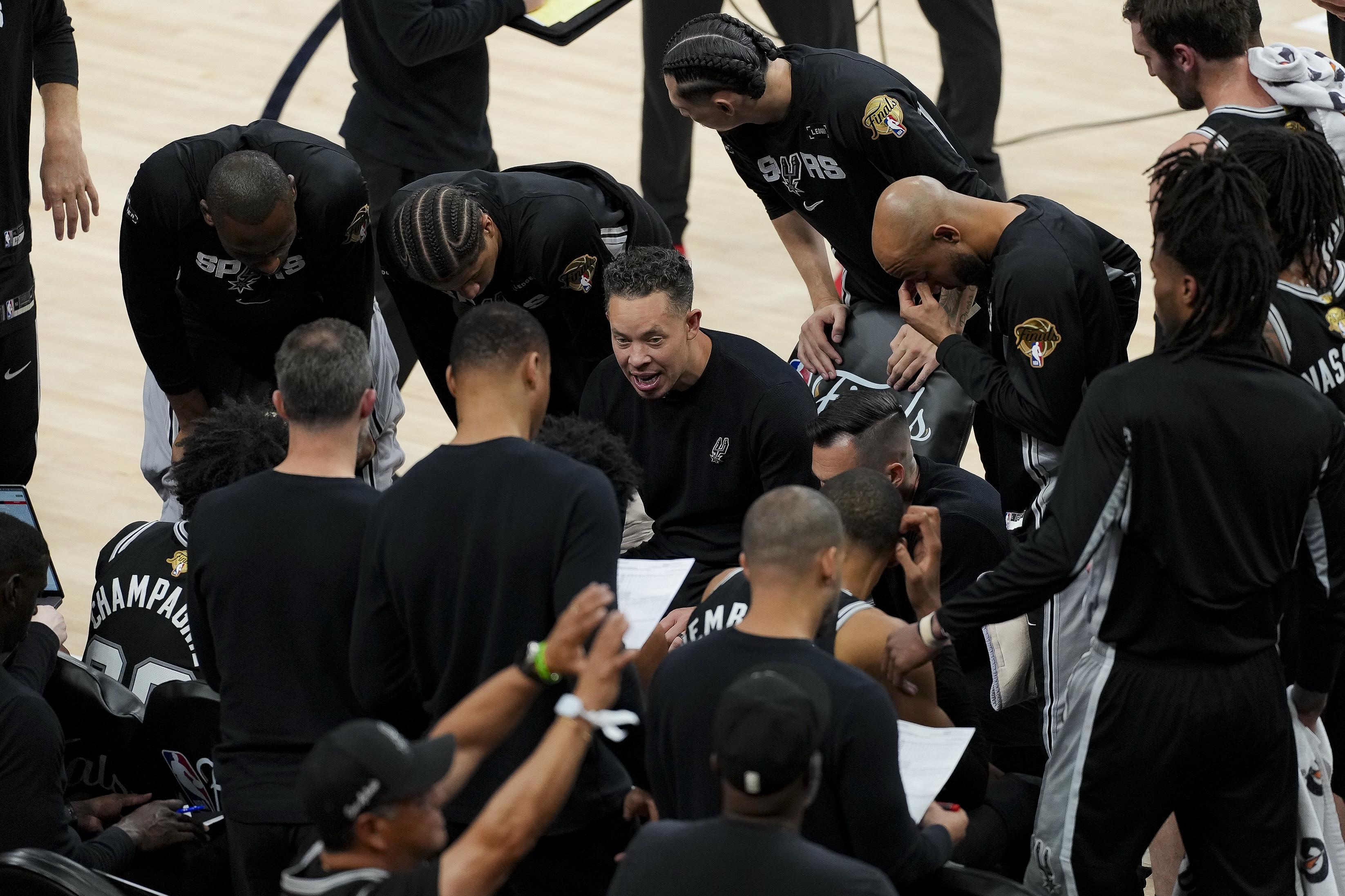
Now, the challenge becomes far greater as the Spurs face elimination pressure. With the Knicks just one win away from securing the championship, San Antonio must respond quickly and decisively to keep its title hopes alive.
Coaching adjustments and veteran leadership will play a major role in determining how the team handles the moment. Execution in late-game situations will again be under the spotlight as the Spurs attempt to correct mistakes from Game 4.
As the Finals shift toward a potential closeout scenario, all attention turns to Game 5, where San Antonio’s ability to respond under pressure will define whether the series continues or comes to an end.