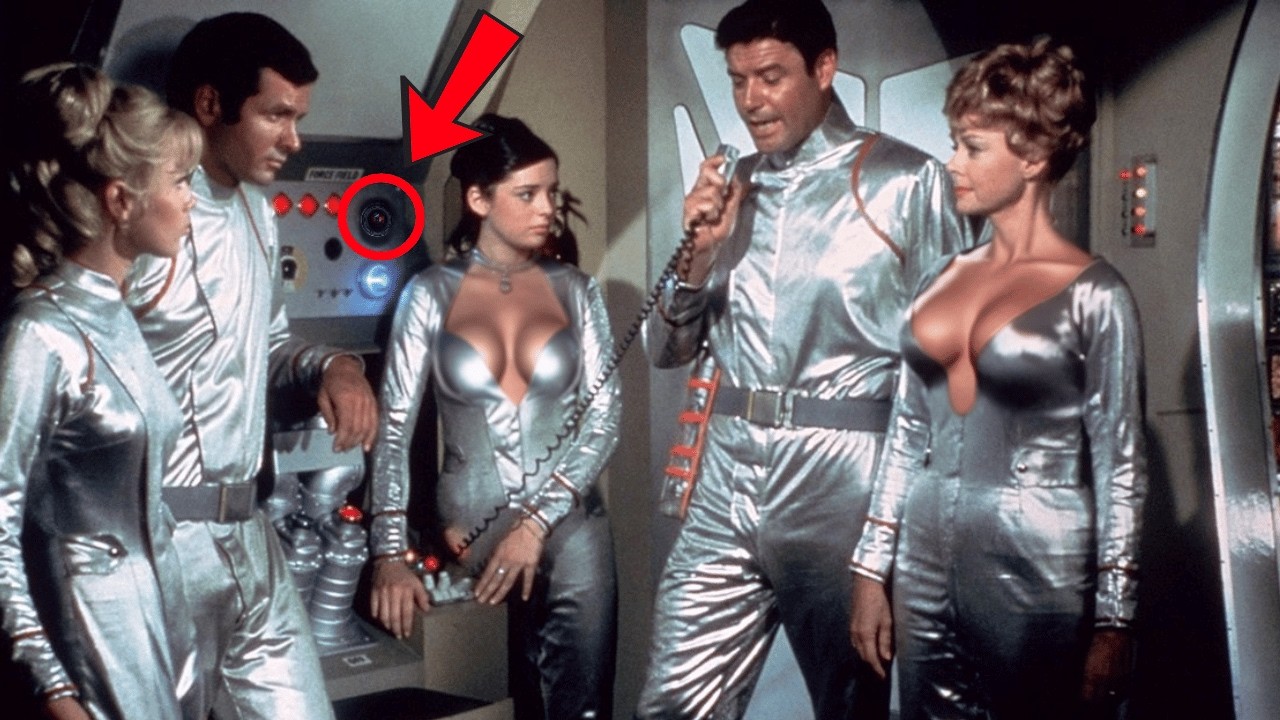
 Lost in Space remains one of television’s most unusual and beloved science-fiction series. Blending family adventure, space exploration, and outright campy humor, the show developed a loyal following that continues decades later.
While many fans remember the Robot, Dr. Smith, and the Robinson family, there are still surprising behind-the-scenes facts that shaped the series into what it became.
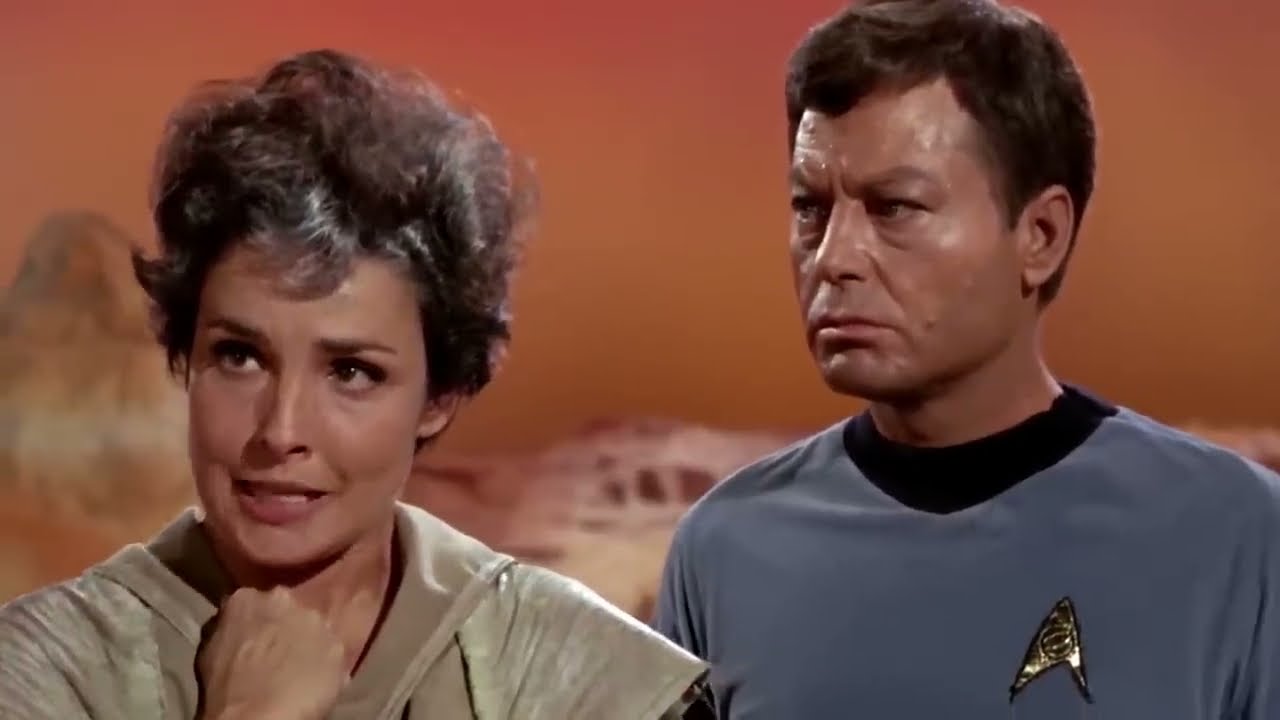
A Greenlight Rivalry With Star Trek
One of the most repeated claims about Lost in Space is that it was developed around the same era as Star Trek and benefited from network decision-making that prioritized family-friendly sci-fi.
While both shows emerged in the mid-1960s science fiction boom, they took very different creative directions—Star Trek focusing on philosophical exploration and Lost in Space leaning into family adventure and humor.
The Iconic Robot Was Expensive to Build
The Robot, one of the most recognizable characters in television history, was an ambitious production for its time.
Built with complex mechanics and operated by actor Bob May inside the suit, the Robot required careful engineering and performance coordination. Reports from production suggest the costume and mechanics represented a significant investment for the series.
Despite the physical challenges, the Robot became a breakout character and a lasting symbol of the show.
 John Williams’ Early Career Contribution
Before becoming one of the most famous film composers in history, John Williams worked on a variety of early television projects.
He contributed music to Lost in Space, helping shape its memorable theme and establishing one of his early credits in Hollywood scoring.
This early work helped launch a career that would later define iconic soundtracks for films like Star Wars, Jaws, and Indiana Jones.
Dr. Smith Was Never Meant to Stay
One of the biggest surprises in Lost in Space history is the evolution of Dr. Zachary Smith.
Originally intended as a short-term antagonist, the character—played by Jonathan Harris—became so popular that he was written into the series permanently.
His comedic style and larger-than-life personality shifted the tone of the show significantly, becoming a defining element of its identity.
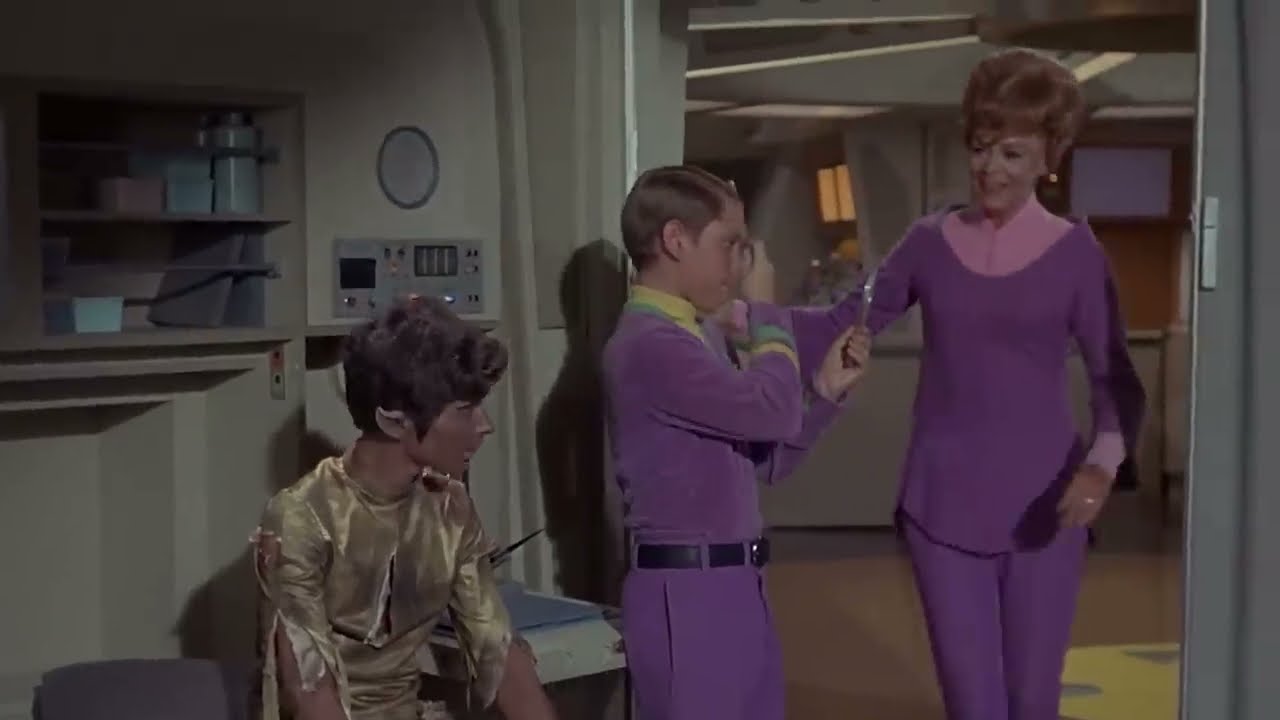 The Shift Toward Camp
As the series progressed, Lost in Space increasingly embraced fantasy elements and comedic storylines.
Episodes featuring unusual alien creatures and whimsical plots reflected the show’s shift away from serious science fiction toward more family-oriented entertainment.
This tonal change helped maintain ratings but also contributed to its mixed critical reception.
A Cult Classic Legacy
Despite its inconsistencies, Lost in Space became a cultural staple.
Its blend of adventure, humor, and sci-fi imagination helped introduce many viewers to science fiction for the first time.
Modern audiences continue to revisit the series for its charm, creativity, and historical importance in television storytelling.
Why It Still Matters
What makes Lost in Space endure is not perfection—but personality.
Its willingness to experiment, embrace absurdity, and adapt to audience response helped shape early television science fiction in unexpected ways.
More than half a century later, the show remains a fascinating snapshot of a genre learning how far it could go.