In northern Saudi Arabia, researchers discovered naturally mummified cheetahs in caves near the city of Arar, including seven remarkably preserved specimens and the skeletal remains of dozens more, with ages ranging from around 130 to nearly 1,900 years, offering rare physical evidence of the species’ former presence in the region and valuable genetic information that can help scientists understand cheetah evolution and past biodiversity in the Arabian Peninsula.
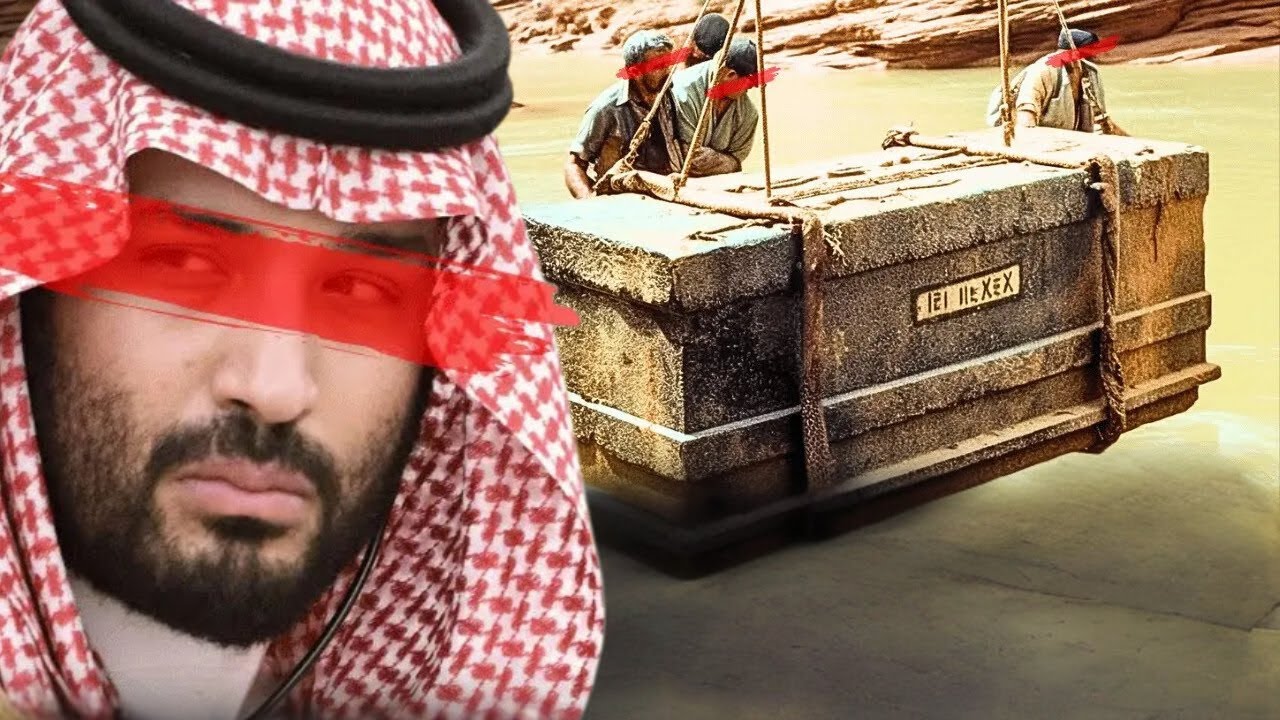
Elsewhere across the kingdom, archaeologists are uncovering extensive evidence of ancient human activity and settlement. Recent surveys documented thousands of archaeological sites, inscriptions, and rock art panels in regions such as Madinah’s Al‑Mahd governorate, providing insights into historic trade routes, early peoples, and cultural expressions over many centuries.
Saudi Arabia’s Heritage Commission and international partners also reported significant findings at the Al‑Ukhdood site in Najran, where foundations of buildings, artifacts such as pottery and bronze objects, and signs of industrial activity from the third century BCE reveal more about early societies in southern Arabia.

In the deeper past, prehistoric rock art panels and engravings dating back nearly 12,000 years have been documented in the Nefud Desert, showing detailed images of animals that suggest sophisticated symbolic behavior among early inhabitants of the region.
These discoveries are part of a broader effort to map and preserve the Arabian Peninsula’s rich archaeological and natural heritage, rather than isolated “shocking” events. Together, they contribute to a more complete understanding of ancient environments, animal life, and human societies that lived in what is now Saudi Arabia across thousands of years.