In the early hours of May 10, 1994, one of the most notorious serial killers in American history was put to death inside the walls of Stateville Correctional Center.
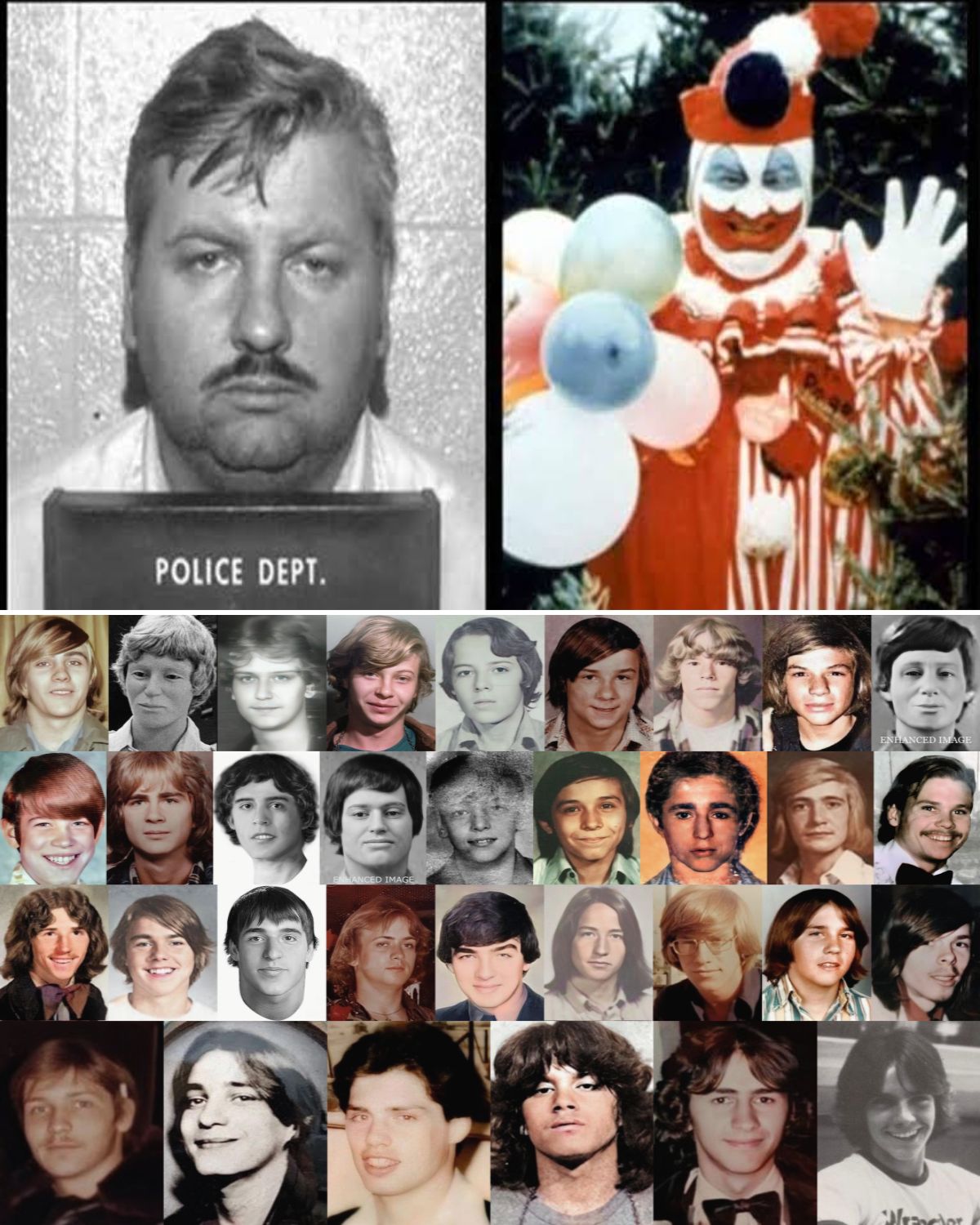
John Wayne Gacy, the man responsible for the murders of 33 boys and young men during the 1970s, was executed by lethal injection after spending more than fourteen years on Illinois’ death row.
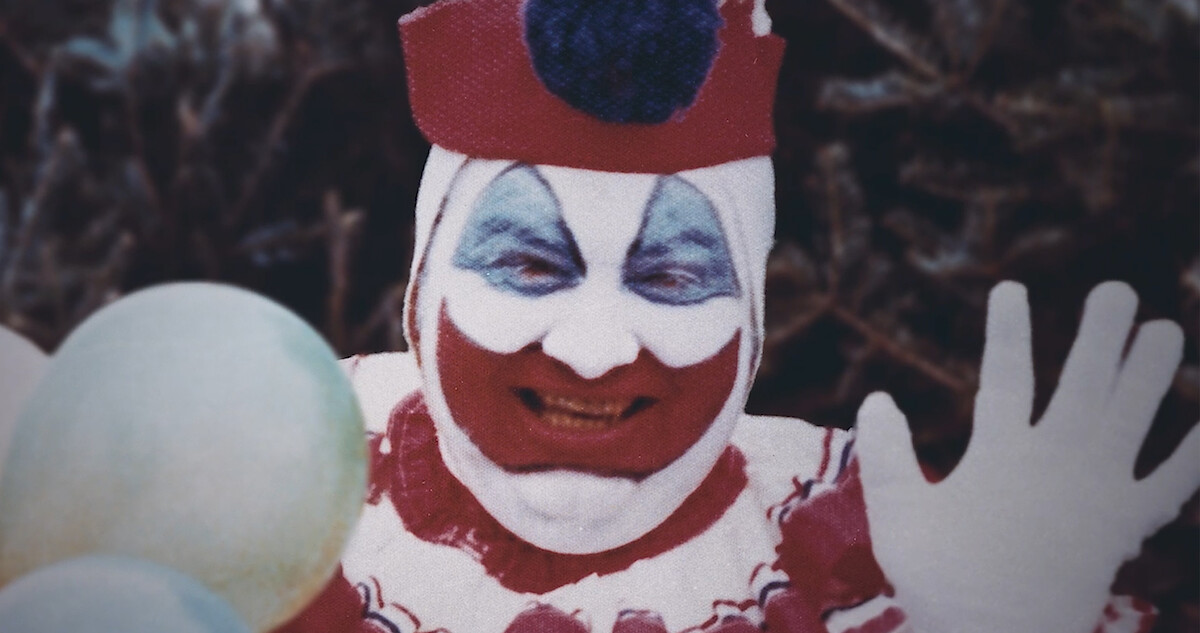
For years, Gacy had become a symbol of evil in America. Beneath the public image of a successful businessman, community volunteer, and occasional children’s entertainer known as “Pogo the Clown,” investigators eventually uncovered a predator responsible for one of the deadliest serial murder cases in U.S. history.
As his execution date approached, the world watched closely to see how the man known as the “Killer Clown” would face his final hours.
The Transfer to Stateville
On the morning of May 9, 1994, Gacy was transferred from Menard Correctional Center to Stateville Correctional Center in Crest Hill, Illinois, where executions were carried out.
Prison officials later recalled that Gacy appeared unusually calm.
![Before Dahmer, John Wayne Gacy Was the Most Prolific Queer Serial Killer [ Murder Made Fiction Podcast] - Bloody Disgusting](https://i0.wp.com/bloody-disgusting.com/wp-content/uploads/2017/09/lg_67db31-john-wayne-gacy.jpg?fit=740%2C555&ssl=1)
According to corrections spokesman Nic Howell, Gacy spent much of the day talking with prison staff and discussing ordinary topics. Among the subjects he reportedly brought up was baseball, including the prospects of the Chicago Cubs.
Those who interacted with him were struck by how little he appeared willing to discuss his impending death.
Karen Conti, one of his attorneys, later recalled that Gacy seemed more interested in casual conversation than confronting the reality that he had only hours left to live.
A Final Visit With Family
Later that day, Gacy was allowed a final visit with relatives and a small group of supporters.
The gathering took place within the prison grounds under heavy supervision.

Witnesses described a strange contrast between Gacy’s demeanor and the emotions of those around him. While family members struggled with grief and the approaching execution, Gacy reportedly remained composed and conversational.
To many observers, his behavior seemed detached from the magnitude of what was about to occur.
The Last Meal
For his final meal, Gacy requested several items that reflected both personal preferences and his past career in the restaurant business.
Before his arrest, he had managed multiple Kentucky Fried Chicken franchises.
According to widely reported accounts, his final meal included:
- A bucket of original-recipe KFC fried chicken
- Twelve fried shrimp
- French fries
- Fresh strawberries
- Diet Coke
Whether symbolic or simply familiar, the meal became one of the most discussed aspects of his final day.
Outside the Prison Walls
As darkness fell, a very different scene unfolded beyond the prison gates.
Hundreds of people gathered outside Stateville Correctional Center.
Some came to protest the death penalty. Others came to celebrate the imminent execution of a man many viewed as one of the most monstrous killers in American history.
Crowds carried signs, balloons, and banners referencing Gacy’s crimes.

Several groups honored the 33 known victims whose bodies had been discovered beneath Gacy’s home and elsewhere following his arrest in 1978.
The atmosphere resembled a public spectacle more than a solemn legal proceeding.
For many relatives of victims, however, the night represented the end of a painful chapter that had lasted more than fifteen years.
The Final Hours
After his last meal, Gacy met with a Catholic priest and participated in final religious rites.
Meanwhile, prison officials completed preparations for the execution.
Shortly after midnight on May 10, Gacy was escorted into the execution chamber.
Witnesses later reported that he appeared calm as he was secured to the gurney.
A Controversial Final Statement
Accounts differ somewhat regarding Gacy’s final remarks.
According to official reports, he criticized the execution process and suggested that his death would not bring closure to the families of victims.

Over time, however, one statement became permanently associated with his execution.
Multiple witnesses reported that Gacy’s final words included the phrase:
“Kiss my ass.”
Whether remembered as his final act of defiance or simply another attempt to provoke attention, the remark became one of the most infamous last statements in American criminal history.
Problems During the Execution
The execution itself did not proceed smoothly.
Illinois used a three-drug lethal injection protocol consisting of sodium thiopental, pancuronium bromide, and potassium chloride.
After the procedure began, prison officials encountered unexpected difficulties when part of the intravenous system became obstructed.
The problem delayed the administration of the drugs and prolonged the execution process.
Officials later stated that the issue was caused by a blockage in the IV line and required corrective action before the procedure could continue.
The delay contributed to an execution lasting significantly longer than anticipated.
Death of the “Killer Clown”
At 12:58 a.m. on May 10, 1994, John Wayne Gacy was pronounced dead at the age of 52.
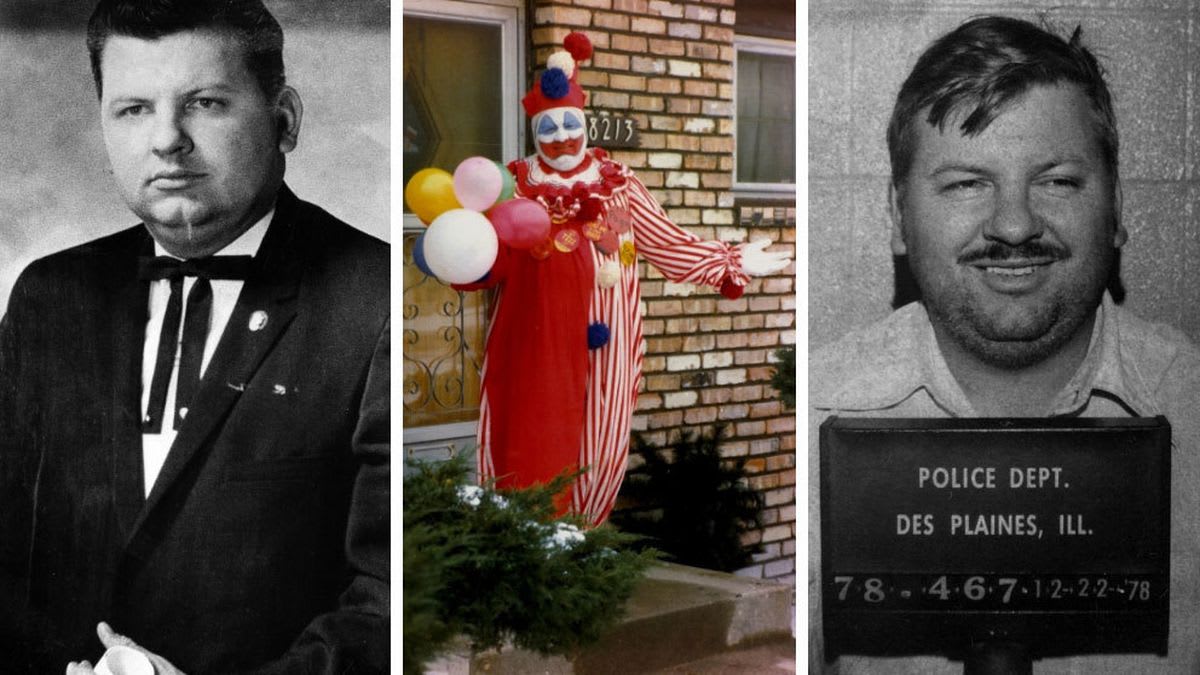
His execution ended a case that had horrified America for more than a decade.
The murders committed by Gacy had exposed one of the darkest criminal enterprises in modern U.S. history. Between 1972 and 1978, he lured vulnerable boys and young men to his home, where many were sexually assaulted, murdered, and buried in the crawl space beneath his house.
By the time investigators uncovered the full extent of the crimes, 33 victims had been linked to him.
Aftermath
Following the execution, Gacy’s body was cremated.
His brain was removed for scientific examination as researchers sought to determine whether neurological abnormalities might help explain his extreme violence, although no definitive scientific conclusion emerged from those efforts.
For the families of his victims, the execution did not erase decades of grief.
But on that spring morning in Illinois, one of America’s most infamous serial killers finally reached the end of a story that had begun with unspeakable crimes and ended inside an execution chamber at Stateville Correctional Center.