2 September 2026
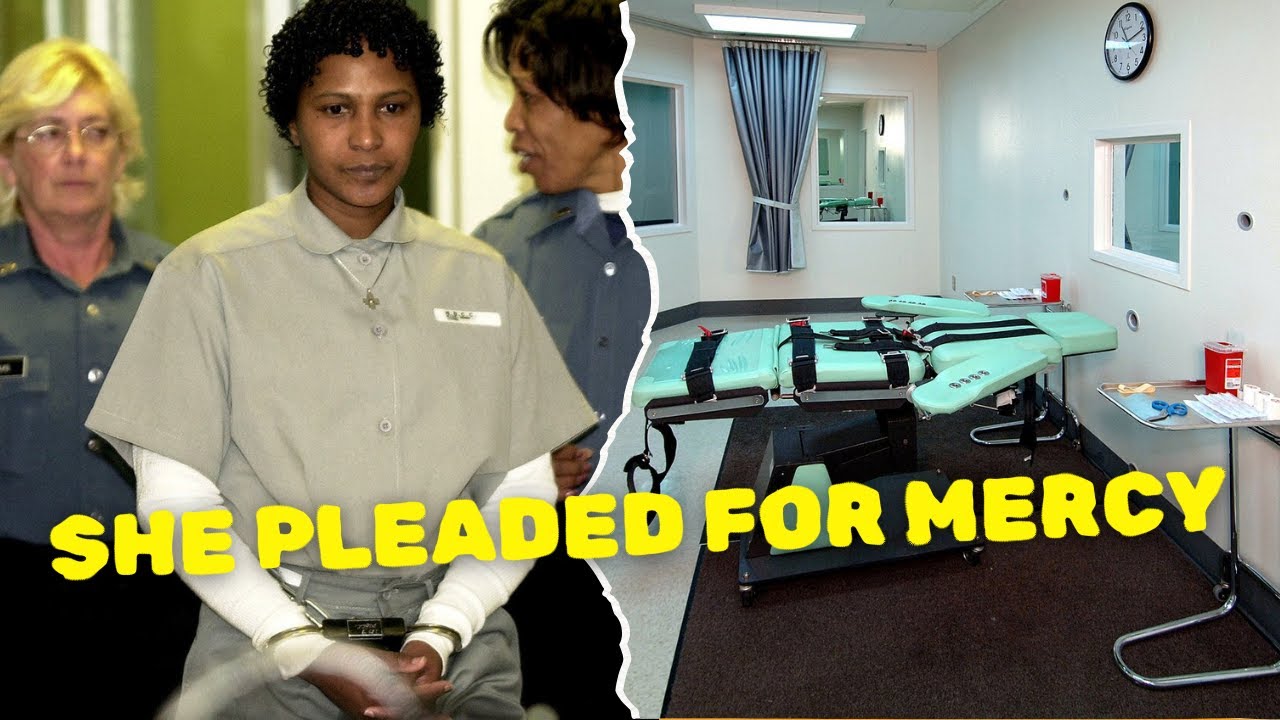
The final words of Wanda Jean Allen echoed through the Oklahoma State Penitentiary execution chamber on the evening of January 11, 2001, as she addressed the family of the woman she killed and begged for a forgiveness she knew would not come from the courts. Strapped to a gurney with a lethal injection line already in her arm, the 41-year-old woman did not rage against the state or proclaim her innocence. Instead, she apologized to her mother, to God, and most profoundly, to the relatives of Gloria Jean Leathers, the woman she had shot more than a decade earlier. "I'm sorry and I'm ashamed for what happened," Allen said, her voice carrying through the small room. "I love you today, too. I ask for forgiveness not only for the loss that she has suffered but for the circumstance in which we found ourselves." Moments later, the drugs began to flow, and Wanda Jean Allen was pronounced dead, etching her name into the annals of American history as the first Black woman executed in the United States in nearly half a century. The execution did not come without a desperate final plea for mercy that had been building for over twelve years. In her last statement, Allen oscillated between spiritual acceptance and a raw, human desperation that cut through the sterile atmosphere of the death chamber. "I believe in a higher power. I have put my trust in God," she said, before pivoting to a direct appeal that seemed aimed at the witnesses behind the glass. "I want to live and I'm very ashamed and very sorry about what I did. I do not believe that I was born a bad seed." The dichotomy of her final moments—a woman simultaneously at peace with her creator yet begging the state to let her breathe—captured the profound controversy that has surrounded her case for decades. Her last meal request was strikingly modest: a simple bag of potato chips, a detail that humanized a woman the state had labeled a continuing threat to society. The path to that execution chamber began long before the fatal shooting, rooted in a childhood marked by profound neglect and untreated trauma that would later become central to her defense. Born on August 17, 1959, in Oklahoma City, Wanda Jean Allen was the second of eight children raised in a household dependent on public housing and government assistance. Her mother's battle with alcoholism made consistent parenting nearly impossible, and her father abandoned the family entirely after the youngest child was born, leaving the children to essentially raise one another. This was not a home loud with violence, but one quiet with neglect, where there were no safety nets, no structure, and no one preparing a young Black girl for the harsh realities of a world that would later show her no mercy. The instability of her home life was compounded by a series of catastrophic physical injuries that occurred during critical stages of her brain development. At just twelve years old, Wanda was struck by a truck and knocked unconscious, an accident severe enough to cause lasting damage but followed by no long-term medical monitoring. Only a few years later, while still a teenager, she suffered another traumatic injury when she was stabbed in the left temple during a violent incident. Once again, the wound was serious, and once again, it went largely untreated. Medical experts would later testify that these injuries occurred during critical stages of brain development, permanently affecting her reasoning, emotional regulation, and impulse control. The invisible damage from these incidents would quietly shape every decision she made for the rest of her life, yet at the time, no one intervened. The consequences of this neglect became apparent as she entered her teenage years, when school became increasingly difficult and she struggled to process information at the same pace as her peers. Wanda dropped out of high school at seventeen, ending her formal education with no prospects and no support system. Subsequent psychological testing would reveal that her IQ was approximately 69, placing her squarely in the range of significant cognitive impairment. Medical experts identified signs of brain dysfunction, particularly in areas tied to judgment and impulse control, noting that under stress, Wanda was more likely to react emotionally rather than rationally, often without fully understanding the consequences of her actions. Despite these glaring limitations, she received no consistent mental health services, no structured interventions, and no safeguards to protect her as she stumbled into adulthood. Instead, she was expected to navigate a complex and unforgiving world alone, carrying challenges that would make her vulnerable to exploitation and prone to volatile relationships. By adulthood, Wanda searched desperately for the stability she had never known, often leaning heavily on romantic relationships for housing, security, and a sense of belonging. These relationships quickly became intense and emotionally dependent, with friends later describing Wanda as deeply attached to her partners, sometimes paralyzed by the fear of being left. Arguments were frequent, and conflict could escalate with alarming speed. For Wanda, love was not merely affection; it felt like survival itself, and when a relationship began to crumble, it did not feel like a breakup but rather like losing her grip on existence. This pattern of volatile attachment first turned deadly in 1981, when she was living with Dedra Pettis, a childhood friend who had become her romantic partner. Their relationship, like others in Wanda's life, was marked by intense instability, and on the day of the incident, a confrontation between the two turned fatal. Wanda shot and killed Pettis, claiming the shooting was accidental and occurred during a struggle. Prosecutors pointed to evidence suggesting a more violent encounter, including signs that Pettis had been struck before being shot, but rather than facing a murder trial, Wanda pleaded guilty to manslaughter. She was sentenced to four years in prison but served only about two before being released. The case faded quietly into the background at the time, but it would resurface years later as a crucial factor in determining her ultimate fate, used by prosecutors to paint her as a repeat offender with a pattern of deadly violence. After her release, Wanda tried to rebuild her life, but stability remained agonizingly out of reach. It was during this period that she met Gloria Jean Leathers, and the two women formed a close relationship that quickly intensified into something volatile and consuming. Like Wanda's past relationships, this one was characterized by emotional dependency, jealousy, and frequent, explosive arguments. Witnesses later described the relationship as toxic, with both women struggling to maintain control during conflicts. Gloria attempted to distance herself at times, while Wanda's fear of abandonment only grew, causing the tensions to escalate dangerously. By late 1988, the situation had reached a breaking point, with arguments becoming more public and more aggressive, drawing the attention of neighbors and police. On December 2, 1988, the conflict between Wanda Jean Allen and Gloria Jean Leathers finally exploded in a confrontation that would be debated for years. Earlier that day, the two had argued publicly at a grocery store, drawing the attention of police, and an officer later escorted them to Gloria's apartment while she gathered her belongings, signaling definitively that the relationship was ending. What happened next was captured through witness accounts that painted a chaotic and contested picture of the final moments. According to these accounts, tensions escalated outside the apartment, and during the confrontation, Gloria struck Wanda with a garden rake. Wanda then walked to her car, retrieved a . 38 caliber handgun, and returned to the scene. Moments later, she shot Gloria at close range. Wanda maintained that she felt threatened and overwhelmed, acting in a state of fear and cognitive confusion, while prosecutors argued that she had ample time to leave the scene but instead made the deliberate choice to return with a weapon, demonstrating clear intent to kill. Gloria Leathers was critically wounded in the shooting and died three days later on December 5, 1988. That single decision—whether driven by genuine fear, impulsive rage, or the cognitive impairment that had plagued Wanda her entire life—would become the central, defining question of her case. Wanda was arrested shortly after Gloria's death and charged with first-degree murder, with prosecutors moving quickly to frame the case as a deliberate act of premeditated violence.…
 When Luka Doncic arrived in Los Angeles, it wasn’t to be part of a long-term rebuild—he came to compete for championships immediately. With the superstar now in place, the Lakers’ front office faces a pivotal summer to construct a roster capable of contending at the highest level.
 “This summer of 2026 was the promise,” one source noted. “Now it’s the expectation. Luka wants to be a championship team yesterday.” The quote underscores the urgency surrounding the Lakers’ offseason strategy, emphasizing that the clock is ticking while Luka remains in his prime.