The murder investigation that led to the conviction of former Missouri City police officer Robert Fratta began on the night of November 9, 1994, when 33-year-old Farah Fratta was found shot to death in the garage of her suburban Houston home. The mother of three had recently filed for divorce from her husband, Robert Fratta, after years of marital problems. Detectives responding to the scene quickly determined that the killing appeared targeted rather than random, launching an investigation that would eventually uncover a murder-for-hire scheme and lead to multiple death sentences.
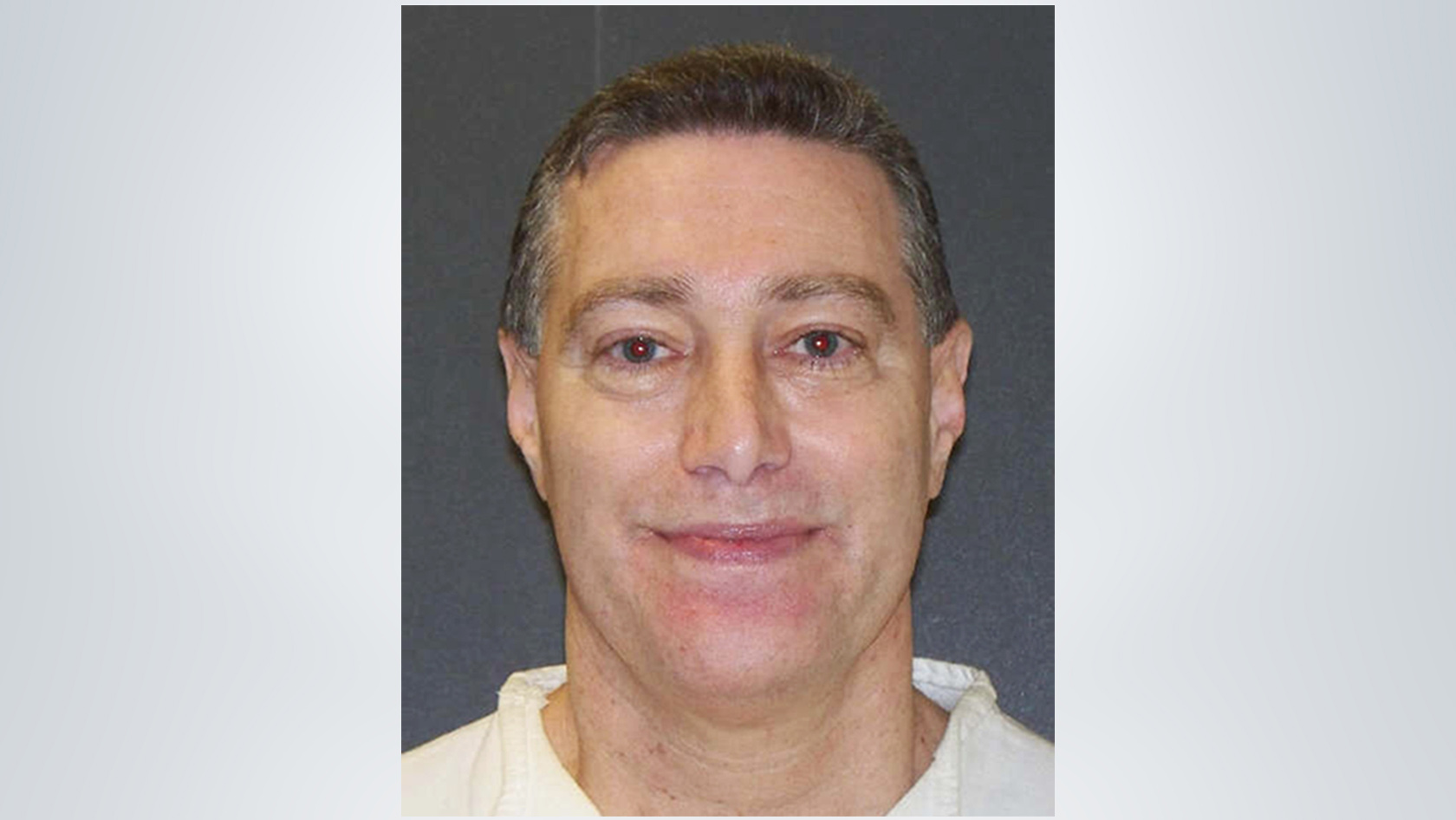
As investigators examined Farah Fratta’s final months, they discovered evidence that Robert Fratta had repeatedly expressed a desire to have his wife killed. Witnesses later testified that he had approached several people seeking someone willing to commit the murder. Detectives learned that Fratta was angry over the pending divorce and potential financial consequences. The investigation ultimately identified Joseph Prystash as the intermediary who helped arrange the killing and Howard Guidry as the gunman accused of carrying it out.
Prosecutors presented evidence showing that on the night of the murder, Guidry ambushed Farah Fratta as she returned home. She was shot twice in the head inside her garage. Investigators later linked the three men through witness statements, phone records, and testimony detailing the planning of the crime. According to prosecutors, payment for the murder was to include approximately $1,000 and a Jeep. Authorities also noted that Robert Fratta attempted to collect proceeds from his wife’s life insurance policy shortly after her death, a fact prosecutors argued demonstrated financial motive.
In 1996, a Texas jury convicted Fratta of capital murder and sentenced him to death. However, the conviction was later overturned by a federal court because of issues involving testimony admitted during the trial. The case returned to court, and prosecutors again presented evidence of the murder-for-hire plot. In 2009, a second jury convicted Fratta and once more imposed a death sentence. Courts repeatedly reviewed the case through appeals over the next decade, but the conviction remained intact.
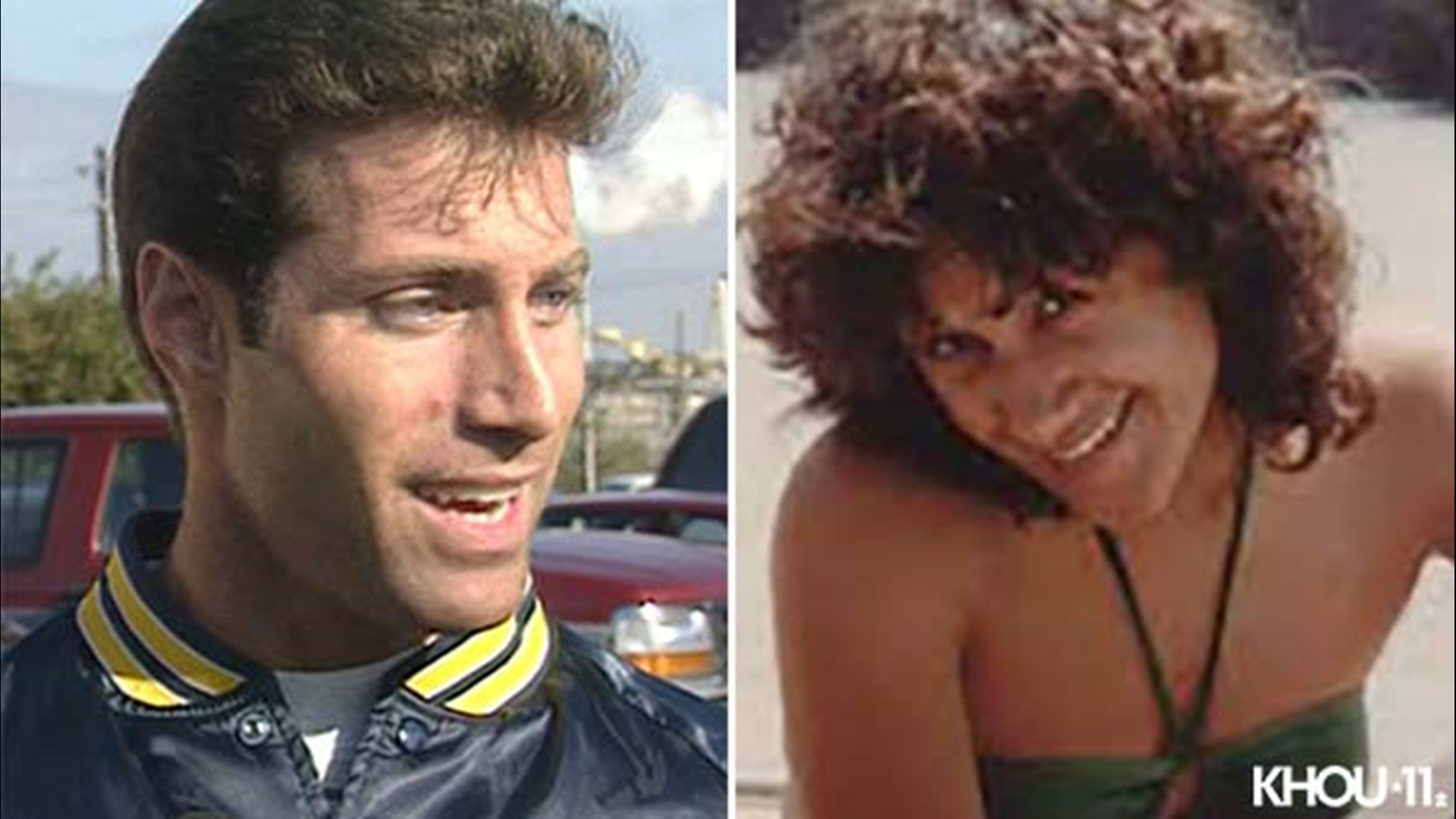
The case attracted attention not only because Fratta had previously worked in law enforcement, but also because all three men convicted in the plot ultimately received death sentences. Prosecutors consistently argued that the evidence demonstrated a calculated effort to arrange Farah Fratta’s murder rather than a crime committed in the heat of the moment. Throughout the appeals process, Fratta maintained legal challenges to his conviction and sentence, while courts continued to uphold the jury’s findings.
As his execution date approached, Fratta joined other Texas death-row inmates in legal challenges involving the state’s lethal injection procedures. Attorneys argued that Texas might be using expired pentobarbital during executions and sought court intervention. State officials denied those claims, maintaining that the execution drugs had been properly tested and remained within approved usage guidelines. Multiple courts, including the Texas Court of Criminal Appeals and the U.S. Supreme Court, ultimately declined to halt the execution.
Robert Fratta was executed by the State of Texas on January 10, 2023, nearly 29 years after Farah Fratta’s murder. For investigators, the case remains one of the state’s most notable murder-for-hire prosecutions, built through witness cooperation, financial motive evidence, and years of courtroom litigation. For Farah Fratta’s family, the execution marked the final chapter in a case that began with a divorce dispute and evolved into a decades-long pursuit of justice through the Texas criminal justice system.