Barrie Schwortz, renowned photographer and historian of the Shroud of Turin, has sparked new debate by suggesting that the famed cloth which allegedly wrapped Jesus Christ might have links to India. This provocative idea has attracted attention from religious scholars, historians, and enthusiasts around the world.
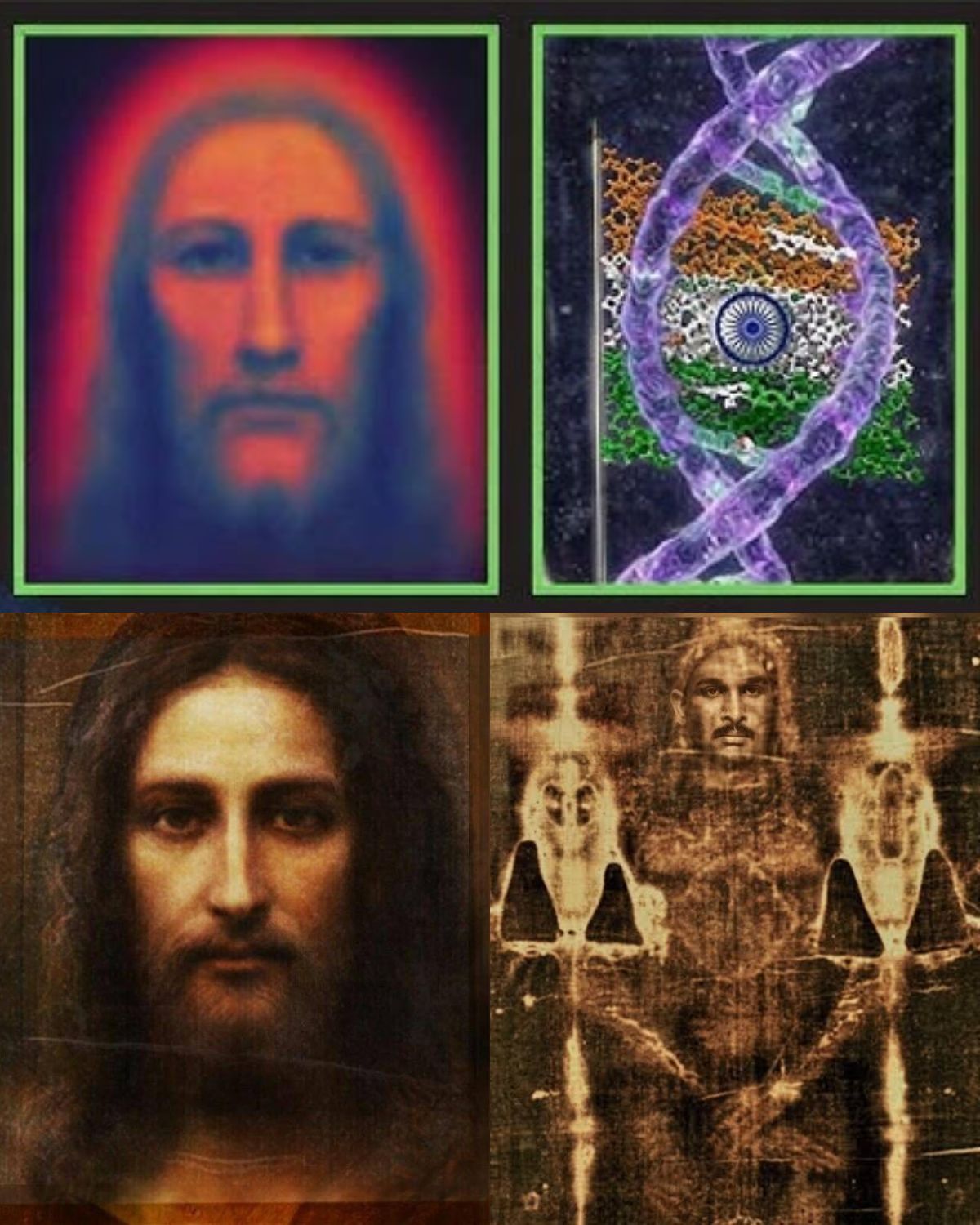
According to Schwortz, historical trade routes, textual references, and certain unexplored traditions hint at the possibility that the Shroud could have traveled far beyond Europe during the centuries following Jesus’ death. While the Shroud is most famously associated with Turin, Italy, Schwortz’s research proposes that parts of its history may intersect with South Asian regions, including India.
Experts caution that while the hypothesis is intriguing, there is no definitive scientific proof connecting the Shroud to India. Most studies of the Shroud focus on carbon dating, textile analysis, and historical records in the Mediterranean, yet Schwortz encourages further investigation into lesser-known historical pathways and cultural exchanges that could shed new light on its journey.
The suggestion has sparked discussions across academic and religious circles, prompting both excitement and skepticism. Supporters argue that exploring alternative histories can expand our understanding of the Shroud’s complex past, while critics emphasize the need for rigorous evidence before revising accepted narratives.
As research and debate continue, Barrie Schwortz’s claim ensures that the Shroud of Turin remains one of the most fascinating and mysterious relics in history, captivating scholars and the faithful alike with questions about its origins and journey across continents.