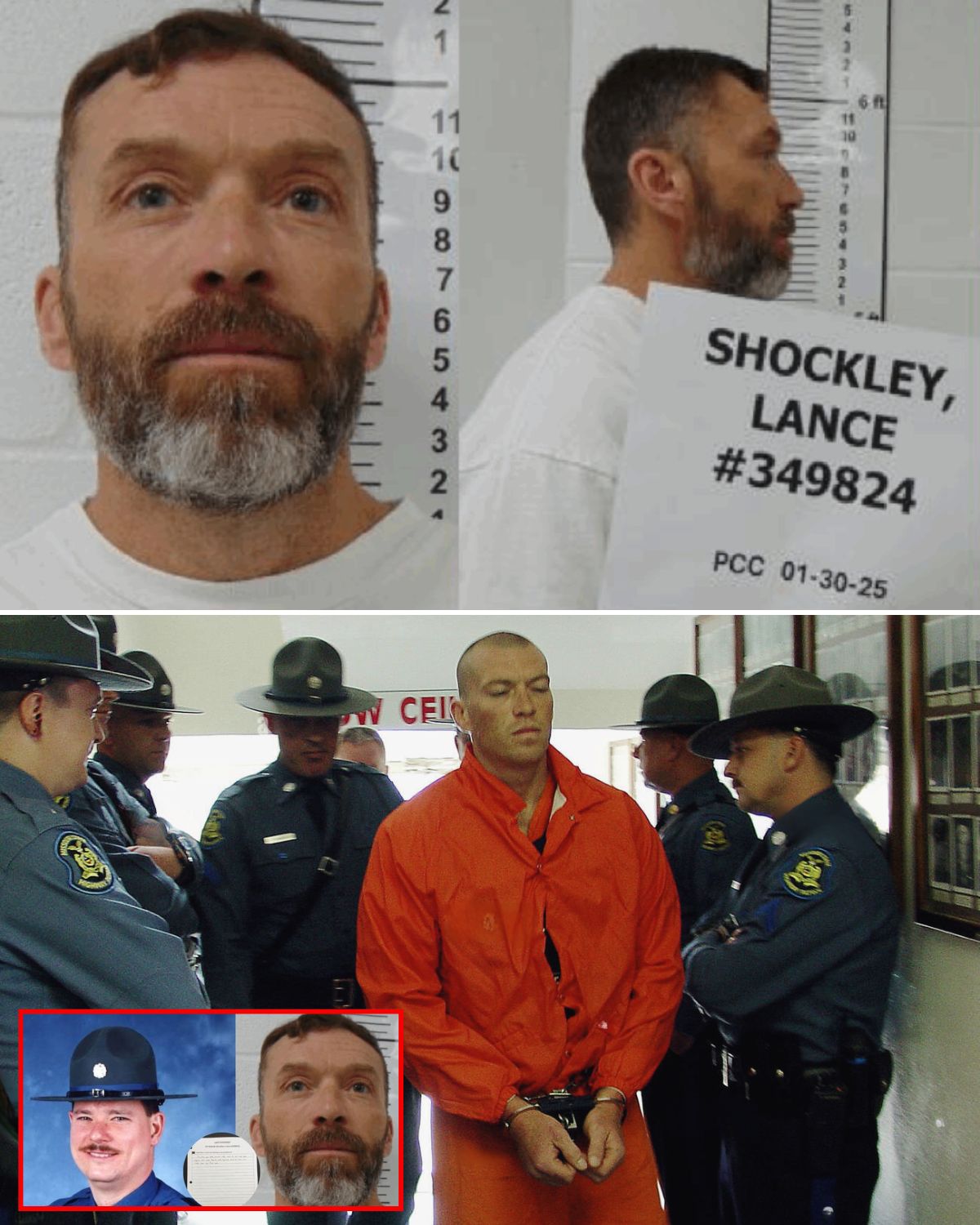
Twenty years after a Missouri state trooper was ambushed and killed while investigating a suspected drunk-driving crash, the man convicted of the crime has been executed.

Lance Collin Shockley was put to death by lethal injection on October 14, 2025, at the Eastern Reception, Diagnostic and Correctional Center in Bonne Terre, Missouri. He was pronounced dead at 6:13 p.m.
The execution brought an end to a case that had generated years of legal challenges and public debate. Prosecutors maintained that Shockley murdered a law enforcement officer to prevent a criminal investigation from exposing him. Shockley, meanwhile, spent nearly two decades maintaining that he was innocent.
In the months leading up to his execution, defense attorneys made a final push for additional DNA testing on evidence from the crime scene. Courts ultimately rejected those requests, clearing the way for Missouri to carry out the sentence.
The Murder of Sgt. Carl Graham
The case began on March 20, 2005.
Missouri State Highway Patrol Sgt. Carl Dewayne Graham Jr. was investigating a serious traffic crash connected to allegations of impaired driving. According to prosecutors, the investigation was moving toward Lance Shockley, who feared potential criminal consequences if evidence linked him to the incident.
Authorities alleged that Shockley decided to eliminate the officer leading the investigation.
Prosecutors argued that Shockley carried out a deliberate ambush. Evidence presented during the trial showed that Graham was shot from behind before suffering a fatal gunshot wound to the face.
Investigators concluded that the attack was intended to stop the investigation permanently.
The murder shocked Missouri’s law enforcement community and triggered an extensive investigation that soon focused on Shockley.
Following his arrest, prosecutors described the killing as a calculated execution of a police officer performing his official duties.
Conviction and Appeals
Shockley was convicted and sentenced to death for the murder of Sgt. Graham.
Yet the case remained controversial throughout the appeals process.
For years, Shockley insisted he had been wrongly convicted. His attorneys challenged aspects of the state’s evidence and sought additional forensic testing that they argued could shed new light on the case.
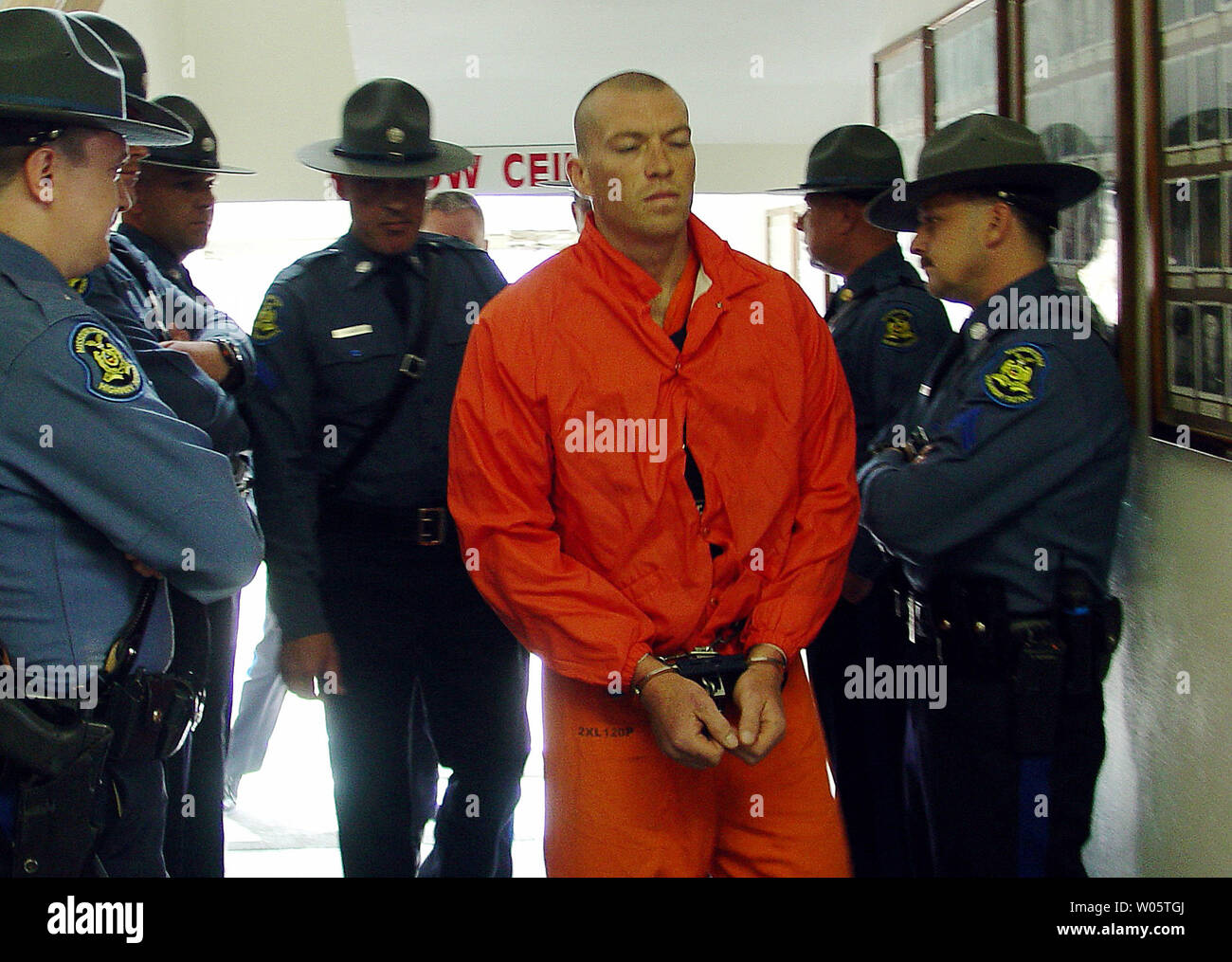 Among their final efforts was a request for DNA testing on evidence recovered from the crime scene.
Defense lawyers argued that advances in forensic science could potentially uncover information unavailable at the time of the original prosecution.
Missouri courts rejected the request.
The Missouri Supreme Court declined to halt the execution, and Governor Mike Kehoe denied clemency, leaving no remaining legal obstacles.
After two decades of appeals and post-conviction litigation, the death warrant remained in effect.
A Modest Final Meal
Unlike many high-profile death row inmates who request elaborate final meals, Shockley’s final meal was remarkably simple.
According to prison officials, he selected items available through the prison commissary rather than requesting a special menu.
His final meal consisted of peanut butter, three packets of oatmeal, water, and two bottles of sports drink.
The meal reflected the subdued nature of his final day.
A Final Message of Faith
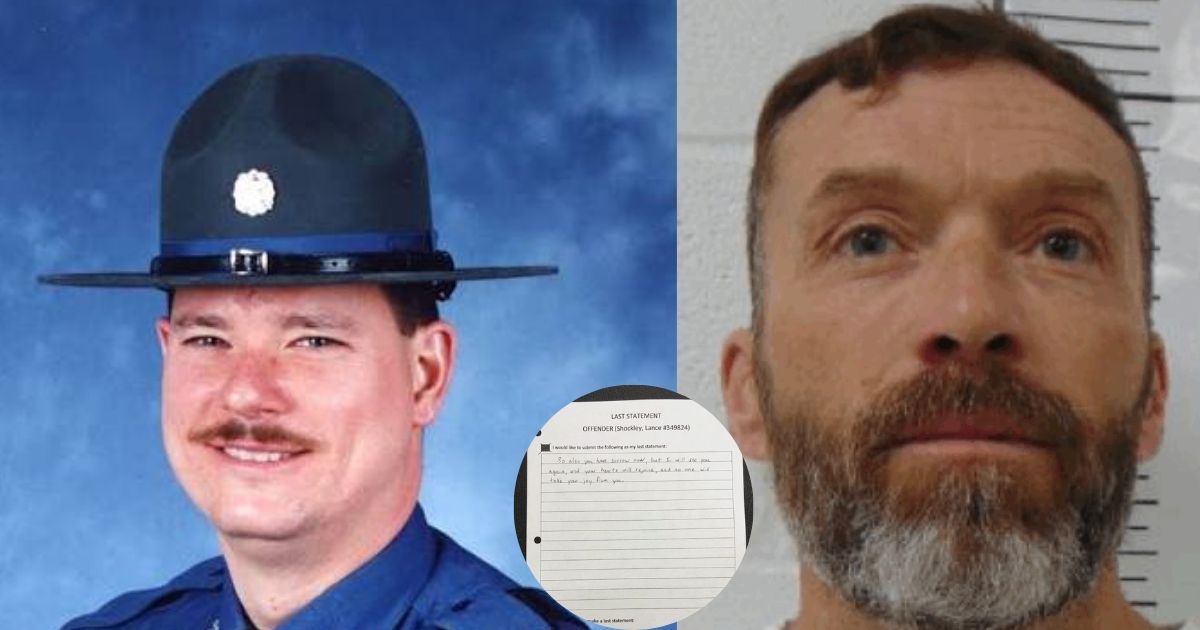
Before the execution, Shockley prepared a written farewell directed toward his family.
Rather than addressing the crime, the courts, or the controversy surrounding his conviction, he chose to focus on religion.
His final statement included a passage from the Gospel of John, Chapter 16, Verse 22:
“Now is your time of grief, but I will see you again and you will rejoice, and no one will take away your joy.”
The message was viewed as a final expression of faith and comfort for relatives who continued to support him throughout his years on death row.
The Execution
On the evening of October 14, 2025, Shockley was escorted into Missouri’s execution chamber.
Witnesses observed as prison officials administered the lethal injection according to protocol.
The procedure was completed without reported complications.
At 6:13 p.m., Lance Collin Shockley was pronounced dead.
His execution closed one of Missouri’s most closely followed capital punishment cases of recent years.
A Case That Still Sparks Debate
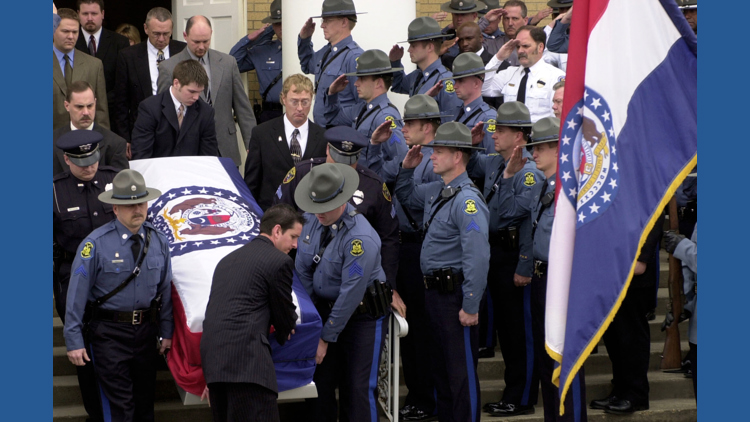
For prosecutors and supporters of the conviction, the execution represented justice for Sgt. Carl Graham Jr., a veteran state trooper killed while carrying out his duties.
For Shockley’s supporters, lingering doubts remained.
They argued that additional DNA testing should have been allowed before the state imposed its ultimate punishment and pointed to Shockley’s continued claims of innocence as reason for further review.
The courts ultimately disagreed, concluding that the conviction and sentence should stand.
With the execution completed, the legal battle has ended.
Yet the debate surrounding the case is likely to continue for years to come.
What remains undisputed is the tragedy that set everything in motion: the death of Sgt. Carl Graham Jr., a Missouri State Highway Patrol officer whose murder shocked the state and led to a legal fight that lasted twenty years.