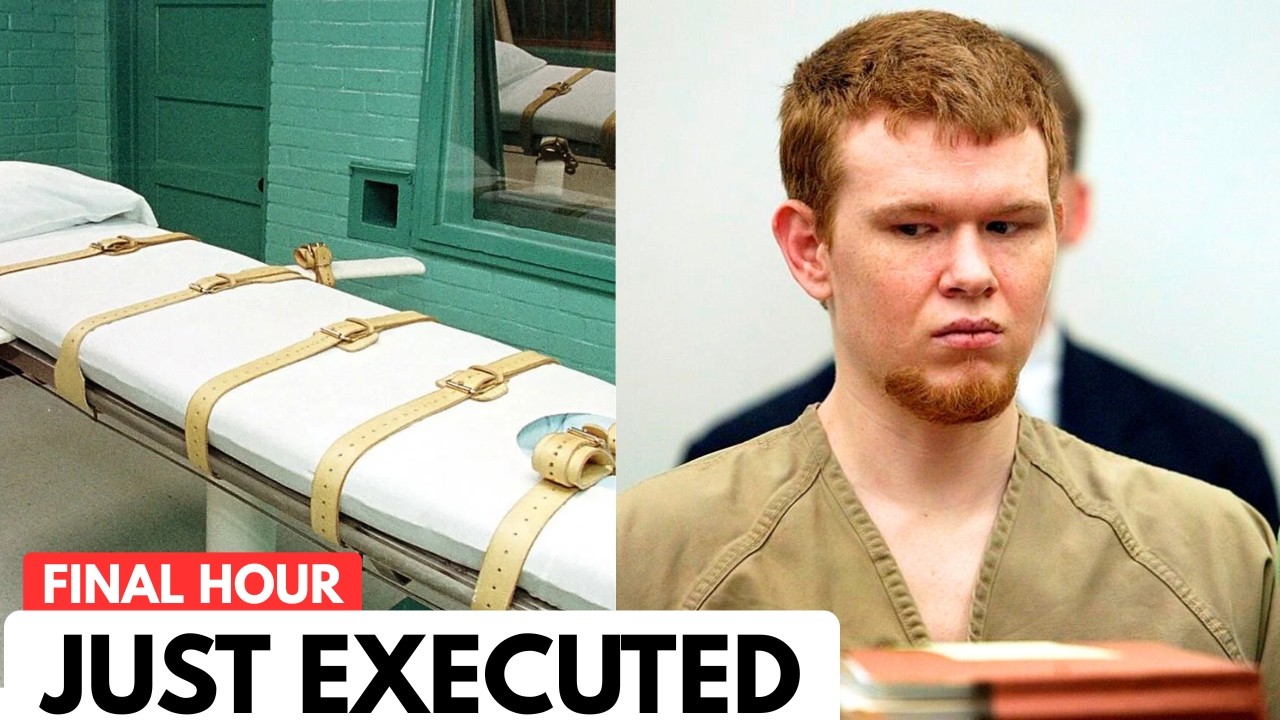
In a heart-wrenching conclusion to a case that has haunted a community for over two decades, Johnny Johnson was executed on August 1, 2023, at the Eastern Reception, Diagnostic, and Correctional Center in Bonne Terre, Missouri. The 45-year-old faced lethal injection for the brutal murder of six-year-old Casey Williamson in 2002, a crime that shattered lives and raised profound questions about justice and mental illness.
 The story begins in the summer of 2002 in Valley Park, Missouri, a seemingly safe suburb near St. Louis. Casey Williamson, a vibrant little girl, was living her life when tragedy struck. The man who would take her life was not a stranger but someone her family had trusted deeply—Johnny Allen Johnson. At just 24 years old, Johnson had a troubling history, including a prior burglary conviction and severe mental health issues, specifically schizoaffective disorder and schizophrenia. Just six months before the crime, he had been released from a psychiatric facility, having stopped his medication.
On the night of July 25, 2002, Johnson attended a barbecue at Casey’s home, welcomed by her family who had known him for years. When the evening ended, they allowed him to stay overnight without a second thought. However, the next morning, Casey awoke to a nightmare. Johnson lured her away from her home and took her to an abandoned glass factory, where he intended to assault her. In a horrific turn of events, Casey fought back, but Johnson responded with unimaginable violence, ultimately taking her life.
 The chilling timeline of events unfolded rapidly. After Casey’s father realized she was missing, a frantic search began. Meanwhile, Johnson was found walking nearby, soaked and disoriented. He confessed to the crime that same day, leading investigators to Casey’s body, which was discovered buried under debris at the factory site. The brutality of the crime shocked the community, and the case quickly became a focal point for discussions on mental health and justice.
In January 2005, Johnson’s trial commenced, where the jury heard the harrowing details of the crime and the confession. His defense team did not dispute his guilt but argued that his mental illness impaired his ability to form intent. The prosecution countered, asserting that Johnson’s actions demonstrated a clear level of premeditation. Ultimately, the jury found him guilty of firs-degree murder, kidnapping, and attempted rape, leading to a death sentence.

For nearly two decades, Johnson remained on death row as his legal team filed multiple appeals, arguing that his mental state had deteriorated further and that he was unfit for execution under the Eighth Amendment. The Missouri Supreme Court and later the U.S. Court of Appeals upheld the state’s position, leading to a final ruling that allowed the execution to proceed.
 As the execution date approached, Casey’s family found themselves divided in their feelings about Johnson’s fate. Casey’s mother, Angie Wideman, expressed a desire for closure after years of pain, while her father, Ernie Williamson, opposed the death penalty altogether. In contrast, Casey’s great aunt, Della Steel, passionately advocated for the execution, emphasizing the lasting impact of Casey’s murder on the family.
On the day of his execution, Johnson requested a simple last meal: a bacon cheeseburger, curly fries, and a strawberry shake. As he lay on the gurney, he offered a brief statement before his death: “God bless. Sorry to the people and family I hurt.” He was pronounced dead at 6:33 p.m. Central Daylight Time, becoming the fourth person executed in Missouri that year.
The execution of Johnny Johnson closes a painful chapter for Casey’s family but leaves lingering questions about justice and mental health. Casey would have been 27 today, and her family continues to grapple with the loss and the complexities of the case. As we reflect on this tragedy, we are left to ponder: is executing someone with severe mental illness justice, or does it raise deeper moral questions?