The beloved Benny Hill Show, a staple of British television for decades, faced an unexpected downfall due to a single controversial sketch. What was once a source of joy and laughter for millions quickly turned into a cultural flashpoint, leading to the show’s cancellation in 1989.
 Benny Hill, with his cheeky grin and slapstick humor, became a comedy icon, captivating audiences since the show’s debut in 1955. However, as societal attitudes towards comedy evolved, so did the scrutiny of his work. One particular sketch, aired in the late 1980s, became the catalyst for a backlash that would change the course of his career.
This infamous scene, a parody of a beauty pageant featuring scantily clad women, was criticized for its portrayal of women and the crass humor that accompanied it. What was once seen as harmless fun began to be viewed as outdated and offensive, igniting a debate about the responsibilities of comedy in a changing cultural landscape.
Benny Hill, born Alfred Hawthorne Hill on January 21, 1924, in Southampton, England, had a fascinating upbringing that shaped his comedic career. With a family history steeped in performance—his grandfather was a circus clown—Hill’s path to stardom seemed almost preordained. After various jobs, including a stint as a milkman, he found his footing in entertainment as an assistant stage manager, eventually honing his craft during World War II in the Combined Services Entertainment Division.
 His breakthrough came in 1947 with a radio appearance on Variety Bandbox, which showcased his sharp wit and comedic timing. This success paved the way for his television debut in 1950, leading to the launch of The Benny Hill Show five years later. The show quickly gained popularity, blending live sketches with pre-recorded segments, and establishing Hill as a master of slapstick and parody.
Throughout the years, Hill’s show featured a rotating cast of talented performers, including fan favorites like Jackie Wright, whose comedic timing made him the perfect foil to Hill’s antics. The show’s signature chase sequences, often set to the iconic “Yakety Sax,” became a defining feature, captivating audiences both in the UK and internationally.
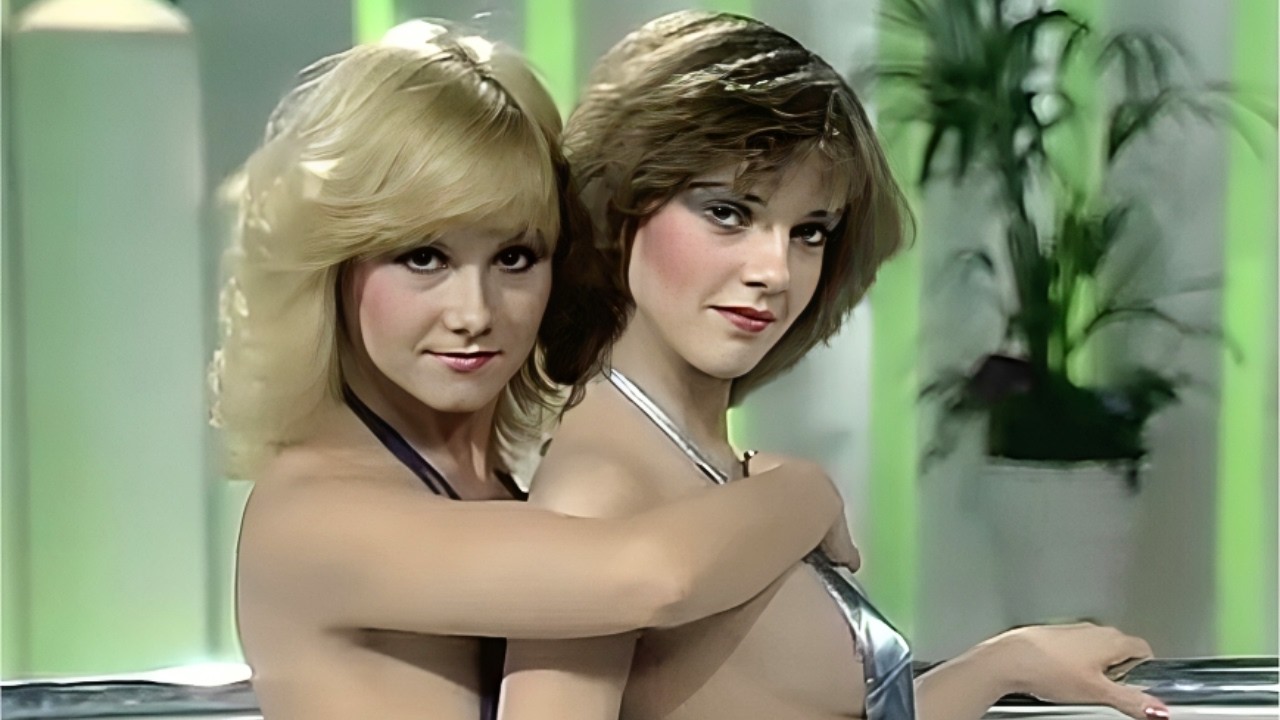
As the 1980s rolled in, the show saw significant changes, including the introduction of Hill’s Angels, a dance troupe that added glamour but also drew criticism for its portrayal of women. Despite the show’s continued popularity, the cultural shift towards more progressive views on gender representation began to cast a shadow over Hill’s brand of humor.

The turning point came when comedian Ben Elton publicly criticized The Benny Hill Show for perpetuating sexist stereotypes. His comments sparked a widespread debate about the impact of media on societal attitudes, challenging the very essence of Hill’s comedic legacy. Critics argued that the show’s humor, once celebrated, had become increasingly outdated and problematic.
Despite the controversies, Benny Hill’s influence on comedy remains undeniable. The Benny Hill Show reached its peak viewership in the early 1970s, with over 21 million tuning in at its height. Hill’s unique blend of physical comedy and clever writing left an indelible mark on the genre, earning him numerous awards and accolades throughout his career.
 However, as viewership began to decline in the late 1980s, Tames Television made the difficult decision to cancel the show in 1989, citing rising production costs and changing audience preferences. Hill, who had become a household name, continued to work on new projects, but none could replicate the magic of his earlier success.
In the years following his passing in 1992, Benny Hill’s legacy has been revisited, with his work still generating discussions about the evolution of comedy and its role in society. His ability to blend humor with memorable characters continues to inspire new generations of entertainers.
As we reflect on the rise and fall of Benny Hill, one can’t help but wonder: what does the future hold for comedy in an ever-changing cultural landscape?