‘CASANOVA KILLER’ GLEN EDWARD ROGERS EXECUTED IN FLORIDA FOR 1995 TAMPA MURDER

Florida has carried out the execution of Glen Edward Rogers, 62, known as the “Casanova Killer,” for the murder of Tina Marie Cribbs in 1995. Rogers was pronounced dead Thursday following lethal injection, closing one of the state’s most notorious death row cases.
Rogers was convicted for the killing of 34-year-old Tina Marie Cribbs, who was last seen leaving a bar with him in Gibsonton, Florida, in November 1995. Two days later, Cribbs’ body was discovered in a Tampa motel room, stabbed to death. Authorities later located Rogers in Kentucky, driving Cribbs’ car, which he claimed she had lent him. He was convicted of murder and sentenced to death in 1997.

Rogers later received a second death sentence in California for the September 1995 murder of Sandra Gallagher, which occurred just weeks before the Cribbs killing. In addition, authorities in several states—including Mississippi, Louisiana, and Ohio—have linked Rogers to other killings, though not all resulted in convictions. At one point, Rogers claimed responsibility for up to 70 murders, though investigators consider many of these claims exaggerated or false.
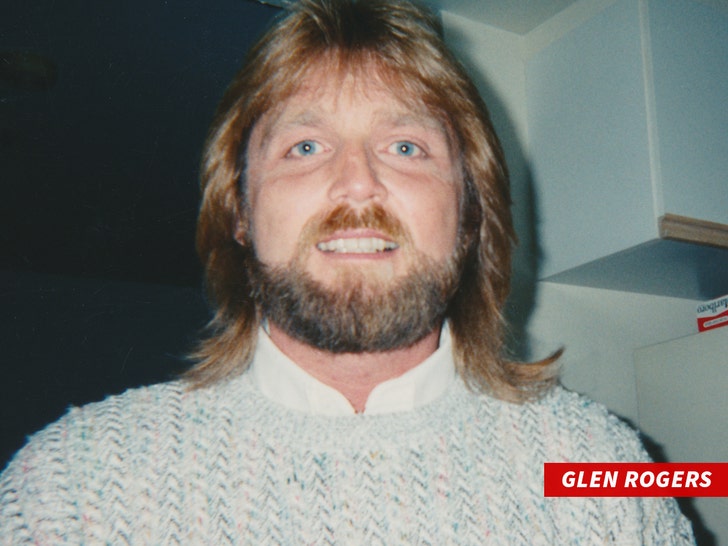
Among his more controversial assertions, Rogers claimed responsibility for the 1994 murders of Nicole Brown Simpson and Ron Goldman, according to a 2012 documentary. However, the Los Angeles Police Department dismissed this claim.
Rogers earned the nickname “Casanova Killer” because investigators say he had a pattern of meeting women at bars, convincing them to get into his car, and then attacking them. His crimes and deceptive behavior over multiple states earned him a reputation as a manipulative and calculating killer.
In the final days before the execution, Rogers’ attorneys filed a motion to halt the procedure, which the U.S. Supreme Court rejected on Wednesday. Florida officials proceeded with the execution, marking the fifth carried out in the state this year.
The case has remained high-profile due to Rogers’ alleged cross-state killings, his manipulative pattern targeting women, and the decades-long appeals process surrounding his death sentences. His execution closes a chapter in one of Florida’s most infamous serial murder cases.