‘Honored’: Tiger Woods Breaks Silence on PGA Tour’s New Two-Tier System in First Appearance Since DUI Arrest
Tiger Woods returned to the public eye this week, making his first official media appearance since his March 2026 DUI arrest, stepping into a boardroom at TPC River Highlands during the Travelers Championship in Connecticut. The 50-year-old golfing legend arrived not to compete, but to lend his voice and influence to one of the most significant structural changes in the history of the PGA Tour: the newly approved two-tier competitive model set to debut in 2028.
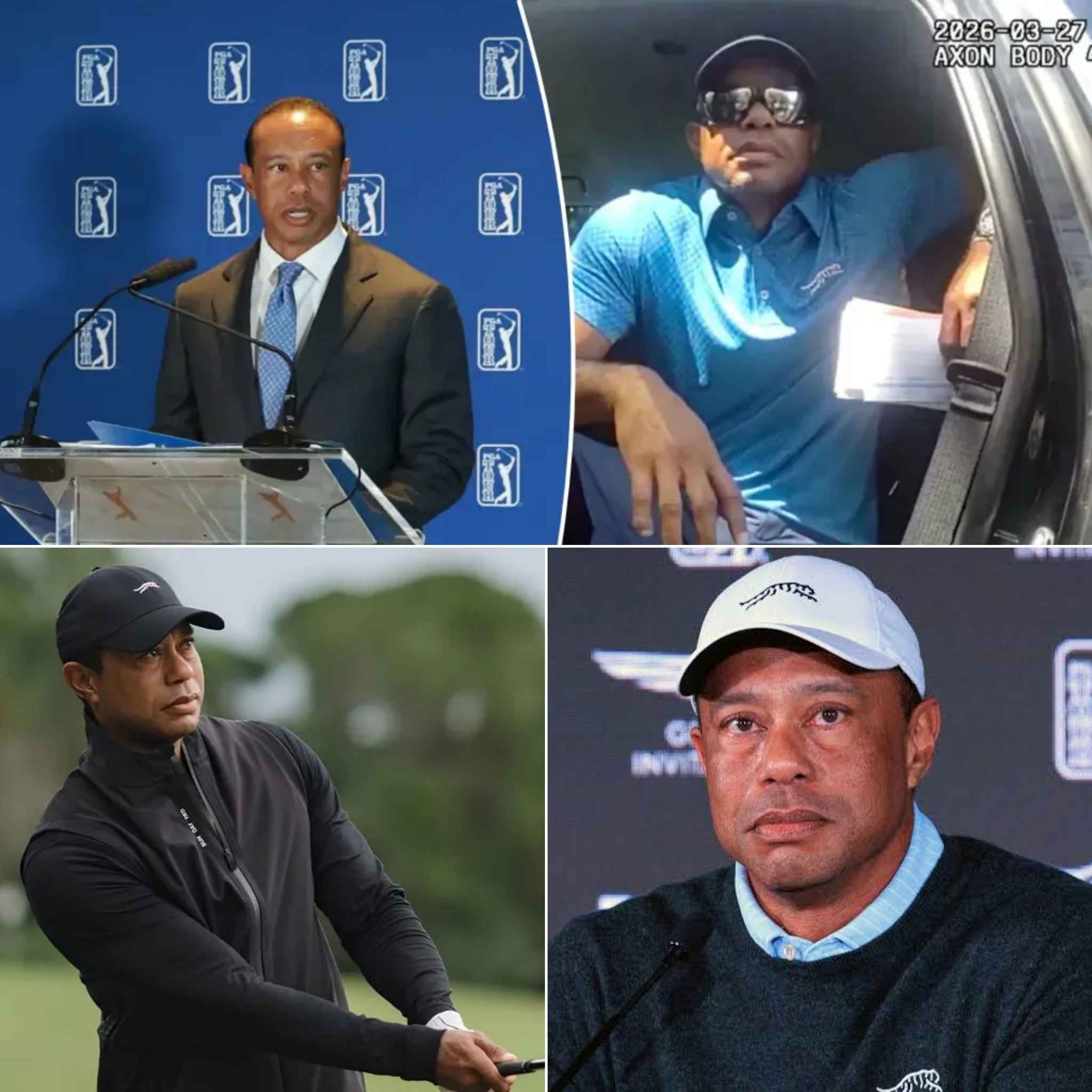
For Woods, the trip to Connecticut was as much about leadership and legacy as it was about stepping back into the spotlight. After a spring spent in rehabilitation in Switzerland, the 15-time major champion focused his energy on the Future Competition Committee (FCC), which he has chaired, helping to design a framework that, for the first time, introduces a formal promotion-and-relegation system for professional golf.
Tiger Woods Returns to Influence the Tour
For many fans, Tiger Woods’ name is synonymous with excellence on the golf course. But in 2026, Woods is redefining his role in the sport. His presence at TPC River Highlands signaled that even off the course, Woods’ influence is unmatched, particularly when shaping the direction of professional golf.
“Honored to stand alongside @brianrolapp today at the @TravelersChamp as we announce the @PGATOUR’s new model for 2028 and beyond,” Woods wrote in a post on X. “This is an exciting moment for the game of golf. It has been a privilege to lead the Future Competition Committee and I am proud of the work we have done to build the best version of the PGA TOUR for future generations of players and fans.”
The Future Competition Committee: A Player-Led Initiative
The FCC is composed of nine members, including current player directors, who are tasked with reviewing, analyzing, and ultimately restructuring the PGA Tour’s competitive framework. Woods emphasized that the committee’s work was never about individual players, but about the long-term health and growth of the sport.
“Over the past eight months, the Future Competition Committee has spent a lot of time on a very important and fundamental question: How do we build the strongest possible version of the PGA Tour?” Woods told the media.
“This work was never about any one player or person. It was about bringing together different perspectives, having honest, hard conversations, and thinking boldly about what is best for the game that we all love. It has been a privilege to work with all the committee members, and especially my fellow player directors,” he added.
Woods’ statements reflect a new era of player-driven governance, where professionals themselves are entrusted with guiding the tour’s future. While the CEO, Brian Rolapp, oversees administrative and operational strategies, Woods and the FCC provide insights drawn from experience on the course, ensuring that players’ needs are prioritized alongside fan engagement and commercial considerations.

The Two-Tier System Explained
The newly approved competitive model is ambitious and far-reaching, designed to streamline the PGA Tour while enhancing opportunities for emerging talent. Beginning in 2028, the Tour will feature two distinct tiers:
- Championship Series – This top tier will consist of 23–24 events, including the four majors, The Players Championship, season-ending playoff events, and international team competitions such as the Ryder Cup and Presidents Cup. Fields will be limited to 120–130 players, emphasizing elite competition and high-stakes play.
- Challenger Series – Running concurrently, this tier introduces formal promotion and relegation, allowing professionals outside the top tier to earn their way into the Championship Series through consistent performance. Players will be able to move between tiers based on season standings, creating a dynamic, merit-based structure for professional golf.
“The objective is to create a competitive ecosystem that rewards performance while maintaining a robust pipeline of talent,” Woods said. “We have to look forward and beyond today and over the horizon to set up the PGA TOUR and our sport for future generations of players and fans.”
Woods’ Role After Rehab
Woods’ return to public life follows a challenging period in 2026. After his DUI arrest in March, which stemmed from an SUV rollover near his Florida home, Woods entered a three-month rehabilitation program in Switzerland. During that time, he made brief trips back to the U.S. to support personal matters, including Vanessa Trump’s breast cancer treatment and the graduation of her daughter, Kai Trump.
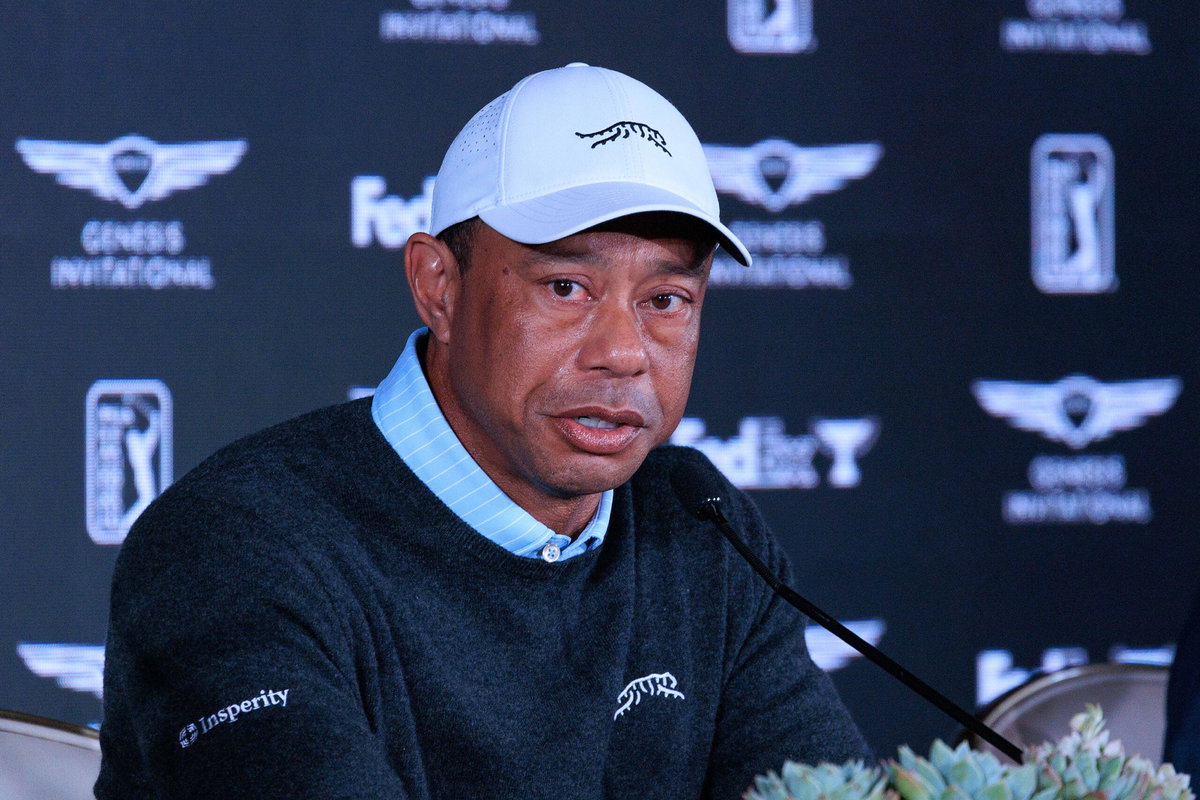
His first public appearance after rehab came on June 12, but it was not until the Travelers Championship that Woods addressed the media directly, choosing to focus on the sport’s future rather than past controversies. The message was clear: Woods is pivoting from being solely a player to being a custodian of golf’s competitive integrity.
Leadership Recognition from Brian Rolapp
Rolapp praised Woods’ leadership, highlighting the unique perspective he brings as a player, champion, and ambassador of the game.
“His leadership has been tremendous. We’re fortunate to have him,” Rolapp said, emphasizing that Woods’ insights helped shape both the structure and philosophy of the new tour model.
By leveraging Woods’ experience, the FCC addressed questions such as:
- How to balance elite competition with opportunities for emerging players.
- How to maintain fan interest while avoiding overly bloated tournament schedules.
- How to incentivize consistent performance across tiers without alienating players or sponsors.
The Vision Behind the Two-Tier System
The Tour’s restructuring reflects a long-term vision, aiming to keep professional golf competitive, financially sustainable, and fan-friendly. Analysts suggest several potential benefits:
- Enhanced competition: By restricting Championship Series fields, the strongest players consistently face one another, raising overall performance levels.
- Merit-based advancement: The Challenger Series ensures players must earn their spots, promoting fairness and accountability.
- Global appeal: Integrating international team events and strategic scheduling allows the tour to engage fans worldwide, while maintaining traditional North American roots.
Woods’ statement underscores the committee’s forward-looking approach. “This is about the game we love and ensuring that it’s vibrant and strong for decades to come,” he said.
Public Perception and Media Impact
Woods’ return to the public spotlight was highly anticipated, and his X post announcing the new model quickly went viral, reinforcing his role as a thought leader in the sport. Analysts note that Woods’ focus on governance rather than personal controversies reflects a strategic rehabilitation of his public image, aligning with his broader mission to remain a guiding voice in golf.
“It’s exciting to see him pivot from personal matters to strategic leadership,” said golf analyst Brandel Chamblee. “Tiger’s experience and credibility lend authority to this project, and it signals a new era for player involvement in administrative decisions.”
Woods also stressed the long-term objective behind the project.
Implications for Players
The new two-tier system is poised to reshape competitive incentives, affecting everything from scheduling to rankings:
- Championship Series players will enjoy guaranteed spots in high-profile events but must consistently perform to maintain status.
- Challenger Series players will have a clear path to ascend, adding stakes to lower-tier tournaments and potentially increasing viewership for a wider range of events.
- Promotion and relegation adds a familiar sports structure (common in soccer) to golf, raising drama and engagement without compromising tradition.
For veteran players like Clark, Scheffler, or McIlroy, these changes may alter strategic priorities and preparation. For emerging players, the Challenger Series offers greater transparency and opportunity to earn a spot among golf’s elite.
Looking Ahead
While the two-tier model will debut in 2028, the groundwork laid by Woods and the FCC sets a roadmap for continuous evaluation and adjustment, ensuring that the Tour evolves alongside fan expectations, sponsorship demands, and global competition.
Woods’ focus remains clear: the health and longevity of the sport supersede individual concerns. By addressing scheduling, promotion, and competitive balance, the Tour aims to protect players, engage fans, and maintain the integrity of professional golf.
Tiger Woods: Beyond Personal Struggles
Woods’ personal journey in 2026 — from DUI arrest to rehab and return to public life — has been closely followed by fans and media. Yet, he continues to demonstrate resilience and leadership, shifting the narrative from individual controversy to structural influence.
The appearance at the Travelers Championship signals Woods’ commitment to shaping golf’s future, blending his legacy as a competitor with a new role as a guardian of the game. His influence will likely be felt for decades, both in the competitive opportunities provided to players and the experience delivered to fans worldwide.
Final Thoughts
Tiger Woods’ first public appearance since his rehab and DUI arrest was strategic, focused, and forward-looking. By championing the PGA Tour’s two-tier system, Woods is helping redefine professional golf for the next generation. While his personal challenges remain part of the narrative, this moment marks a reassertion of his authority and vision in the sport he has long dominated.
The 2026 Travelers Championship may not have featured Woods swinging a driver, but it showcased the power of influence, leadership, and long-term thinking. For players, fans, and the sport itself, his presence was a reminder that golf’s greatest legacy isn’t just trophies — it’s the framework that supports the competition, excitement, and accessibility of the game for generations to come.