Tiger Woods Makes Silent Return on PGA Tour After Rehab as CEO Plans Major Changes
After a turbulent first half of 2026, Tiger Woods has returned—not to the fairways, but to the boardroom. Following a DUI arrest in March, a multi-month rehab program, and the looming specter of a jury trial, Woods stepped into a Connecticut meeting on June 22 to participate in a pivotal vote shaping the future of professional golf.
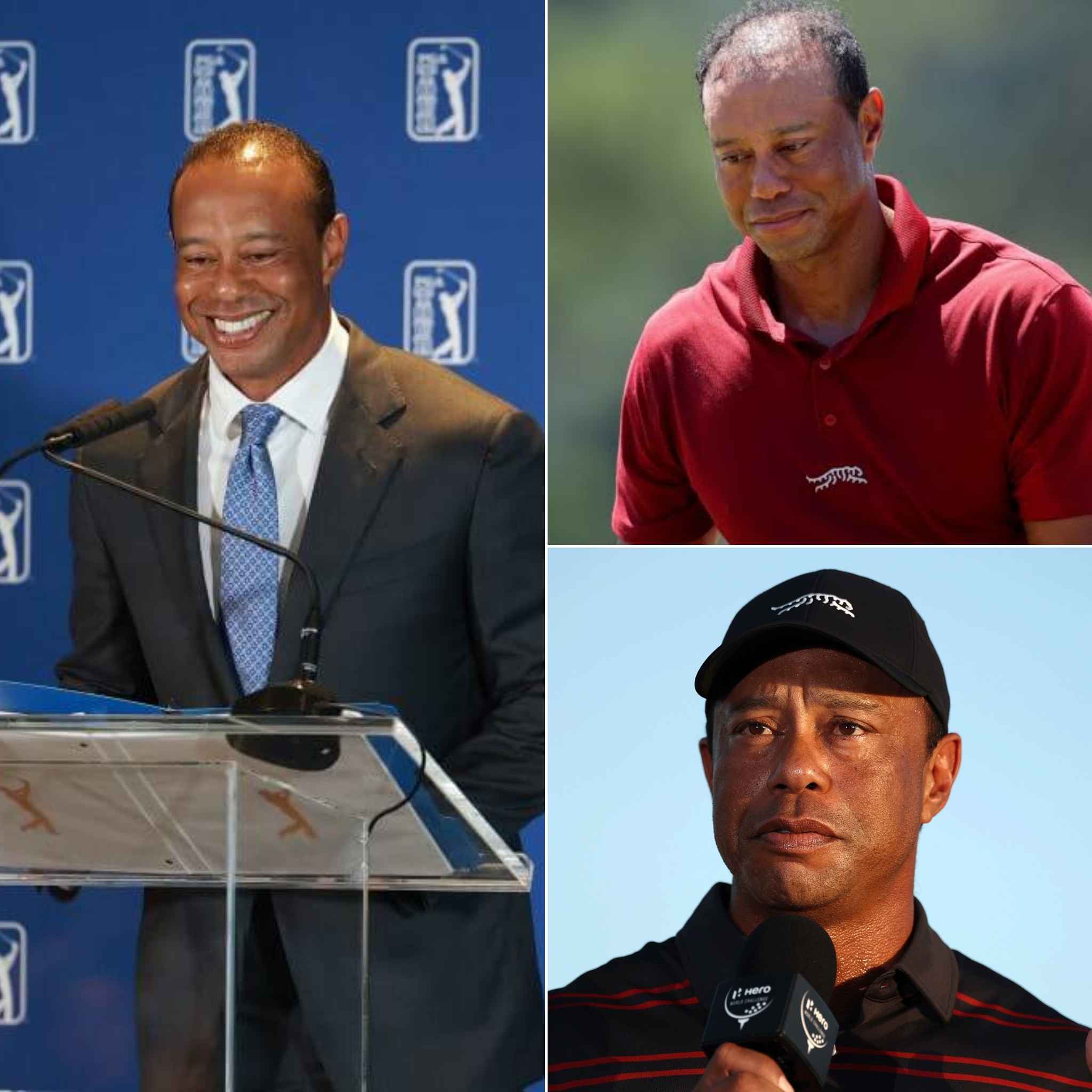
For the 50-year-old 15-time major champion, this was a different kind of pressure—far removed from the swells of cheering fans or the grind of tournament play—but no less consequential. In a season marked by personal challenges, Woods’ involvement in the PGA Tour’s Future Competition Committee (FCC) signals a reassertion of his influence over the game he has dominated for decades.
A Boardroom, Not a Fairway
As reported by NUCLR GOLF on X, “The PGA Tour policy board is voting today on the future of its schedule changes in Connecticut. Tiger Woods is also in attendance for the vote today as CEO Brian Rolapp prepares to announce sweeping changes at a press conference tomorrow.”
This marks the first time Woods has taken part in Tour decision-making since stepping back earlier in 2026 to focus on rehab and personal recovery. His vote carries substantial weight, as he chairs the FCC, a nine-member task force tasked with restructuring the professional golf schedule and competitive framework. The committee had already made significant progress before Woods’ temporary absence, and his return means he is once again guiding strategic decisions at the highest level.
A Two-Tiered Vision for Professional Golf
Golf Channel and multiple media outlets report that the PGA Tour’s Player Advisory Council recently received a briefing on a proposed overhaul aimed at 2028, introducing a two-tier system designed to streamline competition and enhance fan engagement:
- Track 1 (Championship Tier): Consisting of 15–18 elite events, including the four majors, The Players Championship, and the shortened postseason of two playoff events. Fields will be reduced to 120–130 players, emphasizing high-quality, competitive golf.
- Track 2 (Challenger Tier): Designed for developing professionals, this tier will allow a promotion-and-relegation system, giving emerging players the opportunity to move up based on season performance. Access to Track 1 will be limited to the top 90 in season standings, with remaining spots allocated through Track 2 points lists and partnerships with the DP World Tour.
This restructuring is still subject to approval by the PGA Tour policy board, but insiders note that the plan has been carefully designed to balance elite competition with merit-based opportunities for emerging talent.
Brian Rolapp had been preparing for such an overhaul for months. During the Players Championship in March, he stressed the need for “meaningful progress” in structuring the Tour, highlighting that a clearer hierarchy of events would benefit players, fans, and sponsors alike.
Woods’ Road to the Boardroom
Tiger Woods’ path to this point was far from smooth. On March 27, 2026, his SUV rolled over in Jupiter Island, Florida, after clipping a trailer. Woods was arrested on DUI charges and later pleaded not guilty, requesting a jury trial.
In the weeks that followed, Woods focused on rehabilitation, spending three months at an international treatment facility in Switzerland. During this period, he made only brief stops in the U.S.—notably to support girlfriend Vanessa Trump during her breast cancer treatment and attend her daughter Kai Trump’s high school graduation.
Woods’ first public appearance post-rehab occurred on May 13, when he was photographed stepping off his Gulfstream G550 at Palm Beach. Sources told People that, despite his legal and personal challenges, Woods remained deeply engaged with the sport: “Golf is very much on Tiger’s mind. He is not a quitter,” said one insider.
A second source added, “He thinks he is fine and can enter the game at whatever level is comfortable at the time.” A third insider indicated that Woods’ focus during rehab was on long-term health, mental clarity, and planning for his continued influence in golf, even if it meant stepping away from the competitive spotlight.
The Importance of Woods’ Leadership
Walking into the Connecticut boardroom, Woods’ presence carried significance beyond his own personal redemption. As Chairman of the FCC, he has been central to shaping the Tour’s strategic vision, including evaluating player schedules, competitive fairness, and fan engagement.
“The original plan was for Tiger to do a three-month rehab program, which should stay on target unless something major changes,” a source close to Woods told People. “Tiger is doing the best he can with all of the pressure on him, with healing, and also with the legal issues he faces in the coming months. This has created a great deal of stress.”
Yet Woods’ focus in Connecticut was entirely forward-looking. The June 22 meeting centered on approving the next phase of schedule changes and refining the two-tier system, a model designed to reward elite performance while creating a structured pathway for up-and-coming players.
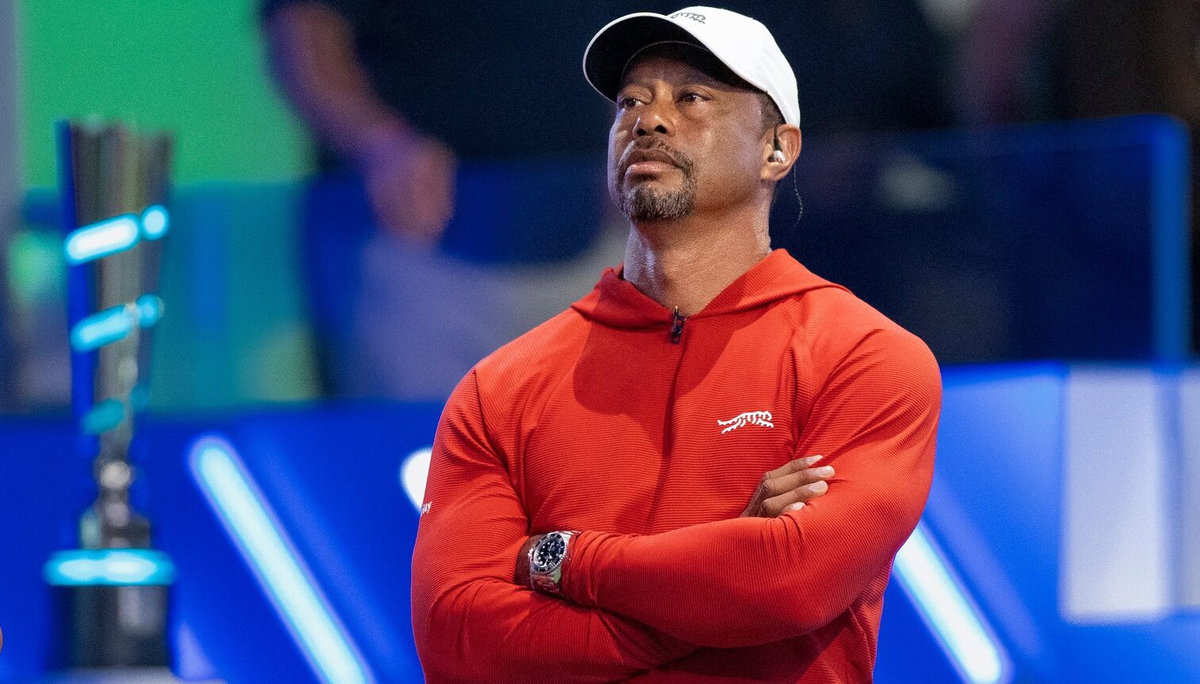
How the Two-Tier System Will Work
The proposed two-tier system is ambitious, but also designed with clarity and fairness in mind:
- Championship Series: A smaller, more elite set of tournaments with limited fields and heightened stakes. Players in this tier compete in premier events, including the majors, The Players Championship, and high-profile team competitions. The reduced field allows for greater competition and higher stakes per event, ensuring that the very best players are consistently matched against one another.
- Challenger Series: An entry-level professional tier with opportunities for promotion. Performance in Track 2 events will determine eligibility for the Championship Series. This meritocratic system encourages consistent excellence while maintaining competitive balance.
- Promotion/Relegation: Players will move between tiers based on season standings, creating a dynamic ecosystem similar to models seen in global sports like European soccer. This system incentivizes consistent performance and ensures that emerging talent has a clear path to compete at the highest level.
By introducing a structured, tiered model, the PGA Tour hopes to enhance competition, maintain audience interest, and secure financial sustainability, ensuring that professional golf continues to thrive in the coming decades.
Public and Player Reactions
Media coverage of Woods’ return was intense. Fans, journalists, and analysts alike noted that his focus on the Tour’s future elevated the conversation beyond personal drama. By concentrating on governance and long-term strategy, Woods signaled that his post-competition influence could be as impactful as his on-course achievements.
“Tiger’s presence reminds everyone that leadership in golf isn’t just about winning tournaments,” said Golf Channel analyst Brandel Chamblee. “His experience and credibility make him uniquely suited to guide these changes.”
Woods’ public statements stressed that the committee’s work was collaborative and not centered on any individual player, reflecting his commitment to the sport as a whole.
According to Golf Channel and multiple media sources, the PGA Tour’s Player Advisory Council was recently briefed on a proposed overhaul that could reshape the circuit by 2028, introducing a two-tier system of “Track 1” and “Track 2” events.
Looking Ahead
The new competitive model will debut in 2028, with careful oversight and adjustment along the way. The structure is designed to:
- Preserve elite competition for the Championship Series.
- Provide clear advancement pathways for emerging professionals in the Challenger Series.
- Ensure that scheduling, field sizes, and playoff structures maintain fan interest and commercial viability.
- Promote long-term sustainability of the PGA Tour in a competitive global landscape.
For Woods, this represents a culmination of years of advocacy and insight, combining on-course experience with off-course strategic planning.
Tiger Woods’ Personal Journey in 2026
While much of the narrative has focused on Woods’ leadership role, his personal challenges this year cannot be understated. After a DUI arrest in March, a three-month rehab program, and legal proceedings pending, Woods has shown resilience in returning to a role of influence.
The Connecticut appearance was his first public remarks since stepping away from the spotlight, emphasizing that his priority is the sport itself, rather than personal vindication. Sources say Woods remains focused on both his health and professional contributions, signaling a strategic shift from player to guardian of the game.
The Bigger Picture
Tiger Woods’ return to the PGA Tour boardroom represents more than personal redemption; it is a statement about legacy, leadership, and long-term vision. By chairing the FCC and guiding the implementation of the two-tier system, Woods is ensuring that the Tour adapts to the evolving demands of competition, fan engagement, and global growth.
His influence will touch every level of professional golf, from elite players in the Championship Series to aspiring stars navigating the Challenger Series. In essence, Woods is helping create a blueprint for sustainable excellence, extending his impact far beyond trophies and accolades.
Conclusion
Tiger Woods’ first public appearance since rehab and his DUI arrest marks a turning point in his post-competition career. By lending his expertise to the PGA Tour’s new two-tier system, he demonstrates that his legacy is not confined to wins on the course but also in shaping the future of professional golf.
While he may no longer be chasing majors week to week, Woods’ voice carries weight in every decision affecting the sport’s structure, fairness, and sustainability. As 2028 approaches, the influence of Woods and the FCC will redefine what it means to compete, advance, and succeed in professional golf—ensuring that the sport he has dominated for decades remains vibrant and competitive for generations to come.


