The federal prosecution of Dylann Roof became one of the most closely watched criminal cases in modern American history after the defendant asked to dismiss his attorneys and represent himself during the penalty phase of his capital trial. Roof, who was charged with federal hate crimes and other offenses stemming from the June 17, 2015, mass shooting at Emanuel African Methodist Episcopal Church in Charleston, South Carolina, made the request against the advice of his defense team. U.S. District Judge Richard Gergel ultimately granted the request, describing the decision as “unwise” but concluding that Roof was legally competent to make it.
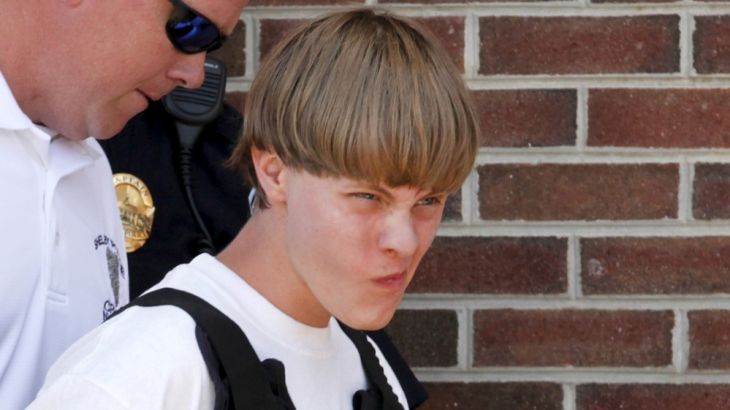
The criminal case began after nine Black parishioners were fatally shot during a Bible study meeting at the historic Charleston church. Investigators from the Charleston Police Department, the South Carolina Law Enforcement Division, and the FBI launched an intensive manhunt immediately after the attack. Surveillance images, witness descriptions, and evidence collected at the church helped investigators identify Roof as the suspect. He was arrested the following day during a traffic stop in Shelby, North Carolina, bringing one of the nation’s largest fugitive searches to a rapid conclusion.
Federal prosecutors charged Roof with numerous offenses, including hate crimes resulting in death, obstruction of the free exercise of religion resulting in death, and firearms violations. Because the government sought the death penalty, the case proceeded as a federal capital prosecution. During pretrial proceedings, jury selection was temporarily halted after defense attorneys questioned whether Roof was mentally competent to understand the proceedings and assist in his own defense.
Judge Gergel ordered a competency evaluation, leading to a two-day hearing that included testimony from mental health professionals and other witnesses. After reviewing the evidence, the court concluded that Roof was competent to stand trial and capable of making decisions regarding his legal representation. Based on that finding, the judge granted Roof’s request to act as his own attorney, while directing his experienced defense lawyers to remain as standby counsel should he choose to seek assistance during the proceedings.

The trial itself focused not only on the extensive forensic and investigative evidence connecting Roof to the shooting, but also on whether the death penalty should be imposed. Prosecutors presented evidence that the attack was motivated by racial hatred and emphasized the deliberate targeting of worshippers gathered for Bible study. The defense did not dispute that Roof carried out the shooting but sought to present mitigating evidence during sentencing.
In December 2016, a federal jury convicted Roof on all 33 counts. The following month, the same jury unanimously recommended a sentence of death after concluding that the aggravating factors outweighed any mitigating circumstances presented during the penalty phase. Judge Gergel formally imposed the federal death sentence, making Roof the first person in U.S. history sentenced to death in federal court for a hate-crime prosecution.
The Charleston church shooting remains one of the most significant hate-crime investigations in American history. For investigators, the case demonstrated the speed and coordination of local, state, and federal law enforcement in identifying and apprehending a suspect within hours of a mass shooting. For the victims’ families and the Charleston community, the lengthy legal proceedings—including the unusual decision allowing Roof to represent himself—became part of a broader pursuit of justice following one of the nation’s most devastating acts of racially motivated violence.