Recent archaeological excavations at the site of ancient Shiloh, in modern-day Israel, have revealed significant evidence about one of the most important locations in early Israelite history. Shiloh is described in the Hebrew Bible as the site where the Tabernacle, a portable sanctuary, was set up and where the Ark of the Covenant rested for centuries before the construction of the First Temple in Jerusalem.
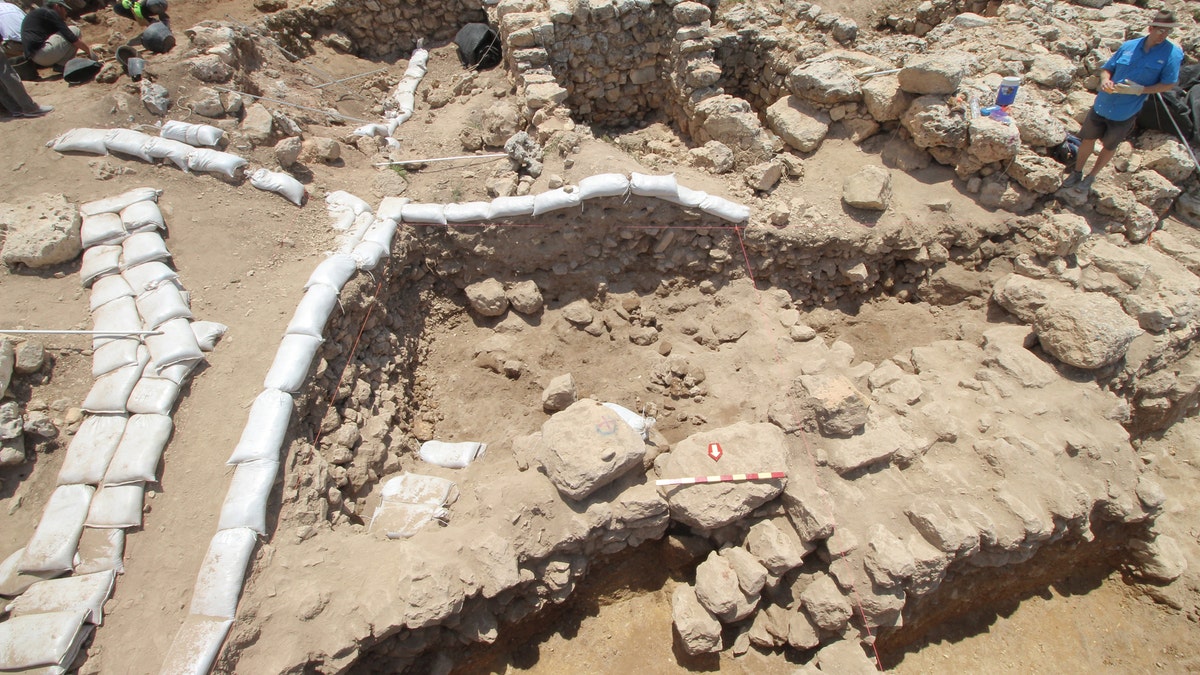
Excavations have uncovered remains of structures that align with descriptions of early Israelite cultic practices, including large foundations and storage pits that may have been used for religious offerings. While no conclusive evidence directly identifies the exact location of the Ark, the findings provide insight into the scale and organization of the settlement during the period of the Judges, roughly 1200–1000 BCE.
Archaeologists also uncovered pottery, tools, and domestic artifacts that suggest Shiloh was both a religious center and a thriving community. These discoveries indicate that the site served multiple functions, supporting both the spiritual needs of the Israelites and the practical requirements of daily life.
The stratigraphy of Shiloh shows evidence of destruction and rebuilding, consistent with biblical accounts of attacks and conflicts in the region. Some layers reveal charred remains and ash, which may correspond to the narrative of Philistine incursions mentioned in 1 Samuel, offering a tangible connection between archaeological evidence and historical texts.
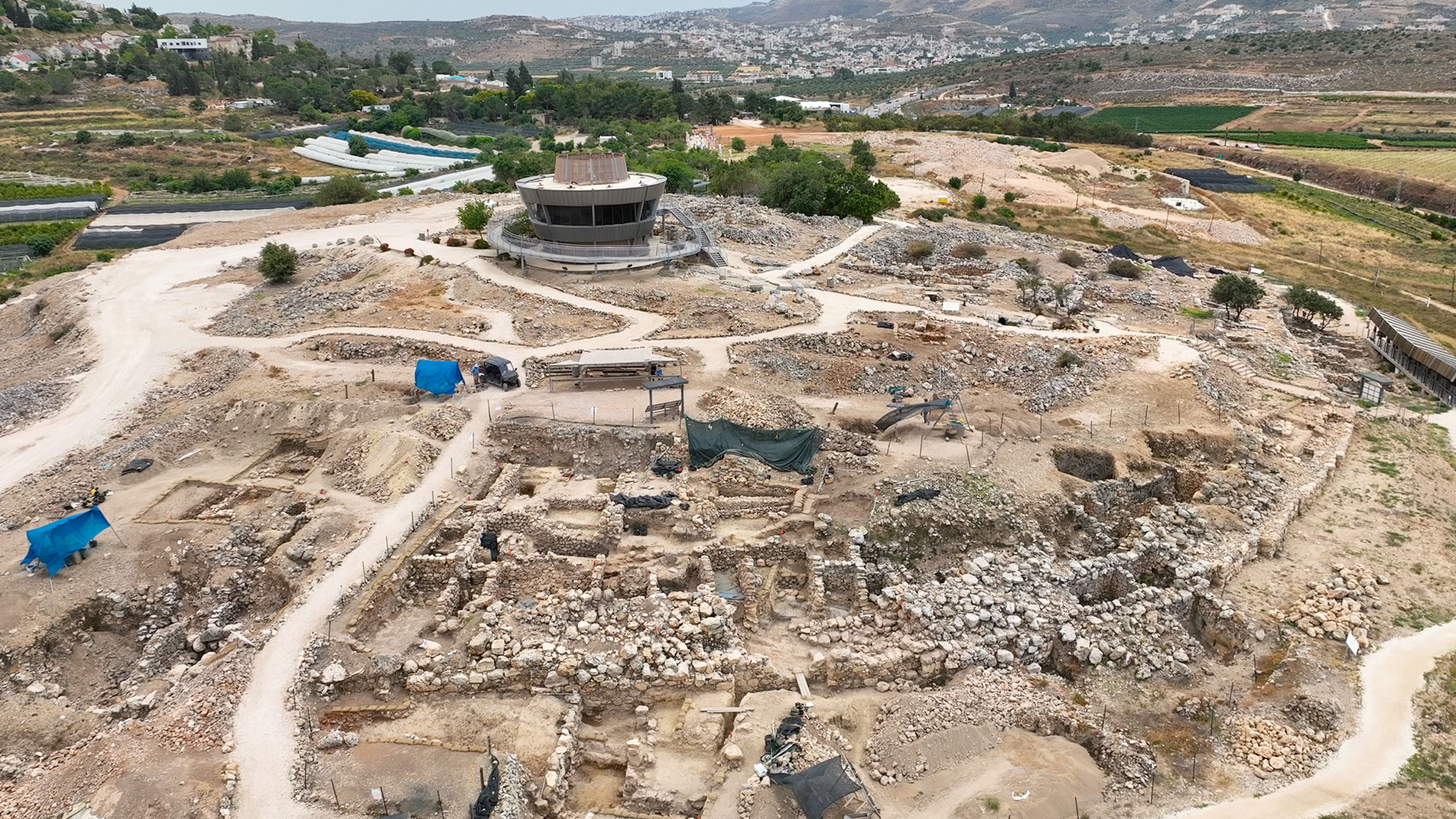
Scholars note that while the findings illuminate life in ancient Shiloh, there is no definitive proof that the Ark itself was present at the site. Much of the interpretation relies on the convergence of biblical text, material culture, and regional history. Nevertheless, the discoveries provide an unprecedented window into early Israelite worship and settlement patterns.
These findings contribute to a deeper understanding of how the Tabernacle may have functioned as both a religious and social center. The layout of the site, combined with artifact distribution, suggests a highly organized community that maintained religious traditions while supporting everyday life in a rural setting.
In summary, the archaeological work at Shiloh enriches our understanding of early Israelite culture and the historical context of the Tabernacle and Ark. While questions about the exact location of the Ark remain, the site offers compelling evidence of the community structures, religious practices, and challenges faced by the Israelites in this formative period of their history.