In a haunting chapter of Indiana’s justice system, Joseph Corkran was executed early this morning, marking the end of a long and controversial saga that began with the tragic deaths of his parents. Corkran, who had been on death row for 25 years, reportedly faced his fate with chilling calmness, uttering just a few words before his execution: “Not really. Let’s get this over with.”
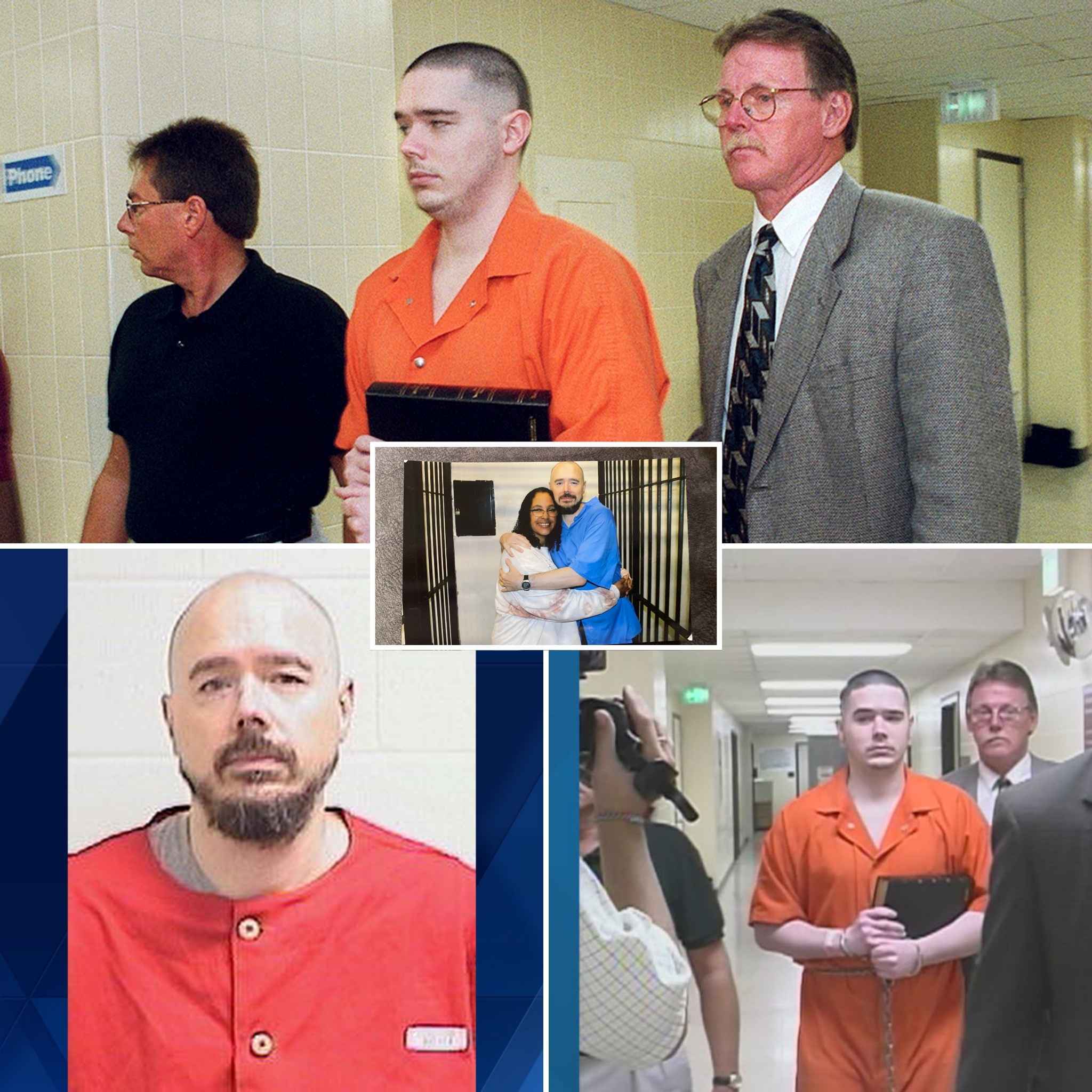
The Indiana Department of Correction confirmed that the execution took place shortly after midnight in Michigan City, with Corkran pronounced dead at 12:44 a.m. His case has sparked intense debate over the intersection of mental illness and capital punishment, as Corkran’s life story raises questions about justice and accountability.
Attorney General Todd Rokita stated that Corkran’s execution was a fulfillment of justice for his victims, emphasizing that the judicial process had run its course. Corkran, 49, had been sentenced to death in 1999 for the brutal murders of four men, including his own brother, in a chilling incident that shocked the Fort Wayne community.
 The roots of Corkran’s tragic story can be traced back to a tumultuous childhood in Fort Wayne, Indiana. Born on April 18, 1975, he grew up in a seemingly ordinary family, but tensions simmered beneath the surface. His relationship with his parents was fraught with conflict, and after being acquitted of their murder in 1992—a verdict that left many in the community questioning the jury’s decision—Corkran’s mental health began to deteriorate.
Over the years, Corkran’s life spiraled as he became increasingly isolated, developing a dangerous obsession with firearms. By the time he committed the 1997 murders, he had amassed an arsenal of weapons and was reportedly plagued by paranoia. On that fateful night, he believed he was being mocked and plotted against by those closest to him, leading to a massacre that would forever alter the lives of many.

Corkran’s trial in 1999 captivated the public, as his defense team argued that he was suffering from severe mental illness. Despite his claims of delusions, the jury found him guilty, and he was sentenced to death. However, the path to his execution was anything but straightforward, with numerous appeals and legal battles stretching over two decades.
 As Indiana prepared to resume executions after a long hiatus, Corkran’s case became a focal point for discussions about the death penalty and mental health. His defense attorneys fought fiercely against his execution, arguing that Corkran’s mental state rendered him unfit for the death penalty. Yet, the courts repeatedly upheld his sentence, leading to a final execution date that many believed would never come.
In his last hours, Corkran reportedly displayed a sense of resignation, even as his family grappled with the emotional fallout of his actions. His sister, Kelly Ernst, who had once defended him, chose not to witness the execution, stating that she no longer believed in capital punishment and felt that no outcome could restore her family.
As the sun rises over Michigan City, the question lingers: what does justice truly mean in the face of such profound tragedy?