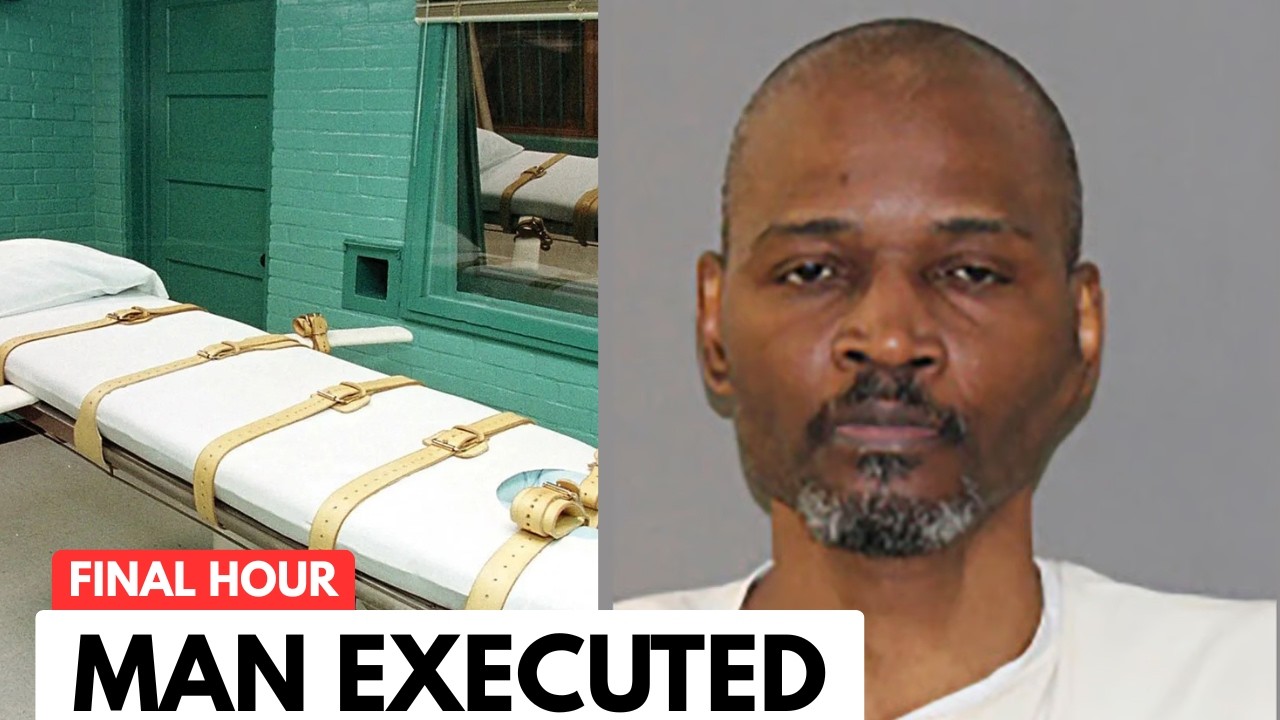
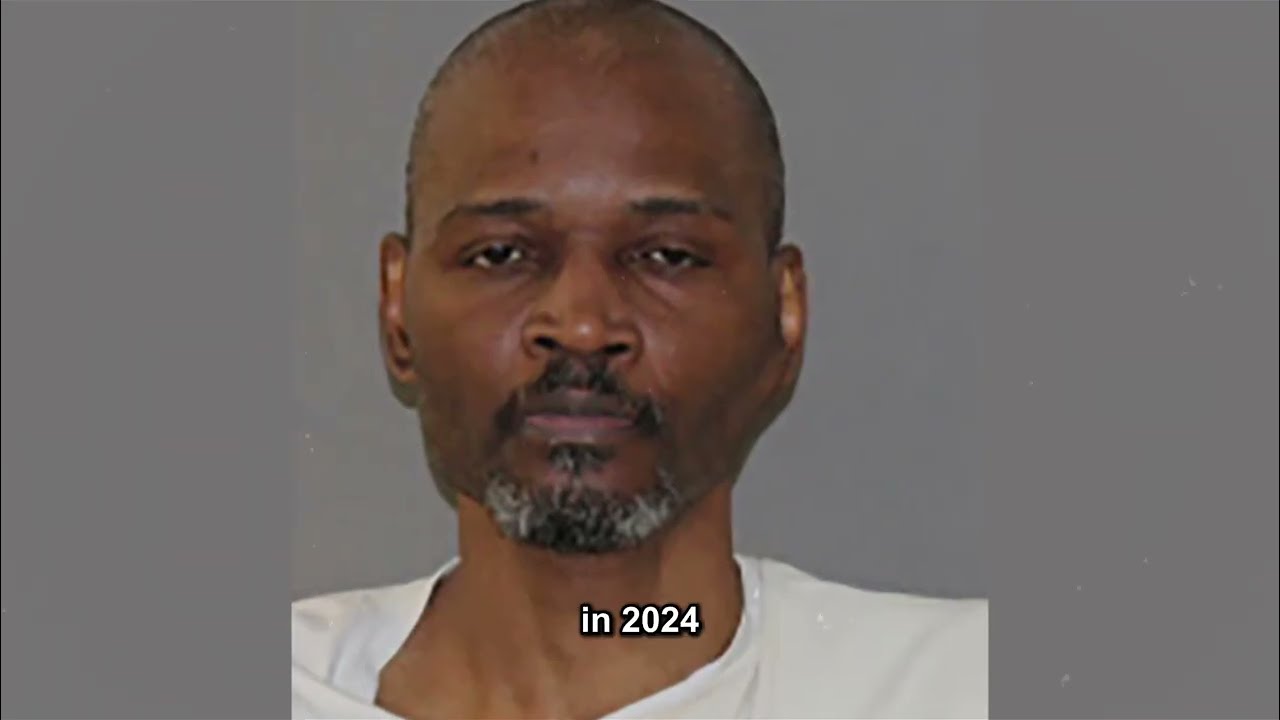
In a haunting conclusion to a case that has captivated Texas for nearly three decades, Arthur Lee Burton was executed on August 7, 2024, after spending 26 years on death row. The 54-year-old’s final moments were marked by a poignant statement that echoed through news outlets nationwide, bringing closure to the tragic story of Nancy Adelman.
 The tale begins on a sultry evening in Houston, Texas, on July 29, 1997. Nancy Adelman, a 48-year-old mother of three, set out for her routine jog, a simple act that would lead to a heartbreaking tragedy. When she failed to return home, her family reported her missing, prompting a swift police investigation. The next day, her lifeless body was discovered hidden in the brush near Brays Bayou, revealing the violent circumstances of her death. A medical examination confirmed that Nancy had been strangled with her own shoelace, leaving investigators with a grim scene to unravel.
Nancy was not just a victim; she was a vibrant individual with a passion for the arts. Born in East Baton Rouge, Louisiana, she earned a degree in theater and a Master of Fine Arts, ultimately moving to Houston where she thrived as a playwright and poet. Her untimely death left her husband and three children grappling with an unimaginable loss.
As the investigation unfolded, attention turned to Arthur Lee Burton, a man with a troubled past. Born on March 29, 1970, in Houston, Burton faced significant challenges during his upbringing, including an absent father and a history of criminal activity. By 1997, he was married and had children of his own, seemingly trying to build a better life despite his past.

Ten days after Nancy’s murder, a witness reported seeing a man on a bicycle near her home, leading investigators to Burton. During initial questioning, he denied any involvement, but as the interrogation progressed, he confessed to the crime, claiming he had acted in a moment of desperation. His confession included chilling details about the attack, but Burton later contended that it had been coerced through physical 𝓪𝓫𝓾𝓼𝓮.
The legal battles that followed were extensive and complex. Burton’s defense argued that his confession was obtained under duress, while the prosecution maintained that the specific details he provided could only have come from the perpetrator. In 1998, Burton was convicted of capital murder, and the jury sentenced him to death.
Over the years, Burton’s case went through numerous appeals, with his legal team raising various arguments, including claims of intellectual disability. As the years dragged on, the case became a focal point for discussions surrounding the death penalty and its application in Texas, especially in light of the Supreme Court’s rulings on similar cases.
As the execution date approached, Burton’s attorneys filed last-minute petitions, citing concerns about racial bias in the application of the death penalty in Harris County. However, these appeals were ultimately denied, and the execution proceeded as scheduled.
On the day of his execution, Burton’s final hours were marked by a routine process at the Huntsville State Penitentiary. Unlike previous practices, he was not granted a special last meal but received the standard prison fare. In a somber moment, family members of Nancy Adelman gathered to witness the execution, a painful culmination of nearly three decades of legal turmoil.
When asked for his last words, Burton expressed gratitude to those who had supported him and offered an apology to those he had hurt, including Nancy’s family. At 6:47 PM, he was pronounced dead, marking the end of a long and controversial chapter in Texas’s history of capital punishment.
As the dust settles on this case, the implications of Burton’s execution continue to resonate, raising questions about justice, redemption, and the complexities of the legal system. What does this case reveal about our society’s approach to crime and punishment?