In a haunting turn of events, James Phillip Barnes, a man who confessed to a decades-old murder, faced his execution in Florida on August 3, 2023. His final moments raised questions about remorse, responsibility, and the complex nature of justice as he chose to forgo any appeals and accept his fate.
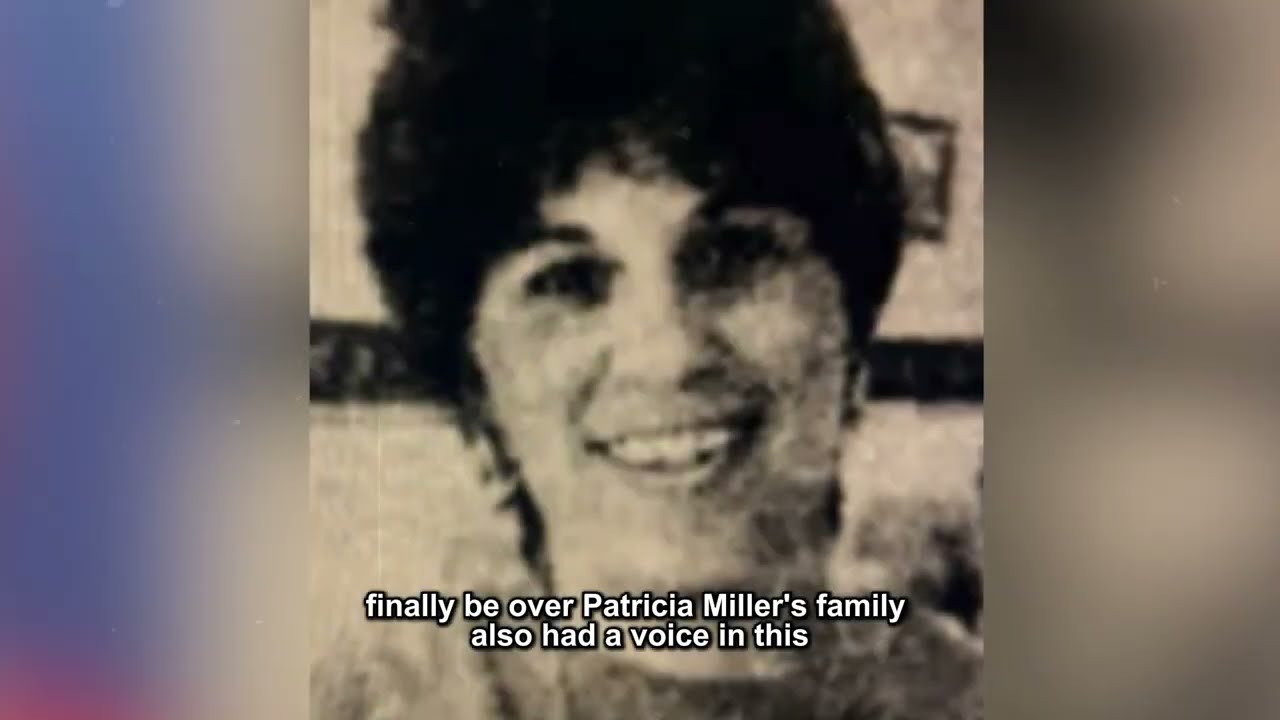
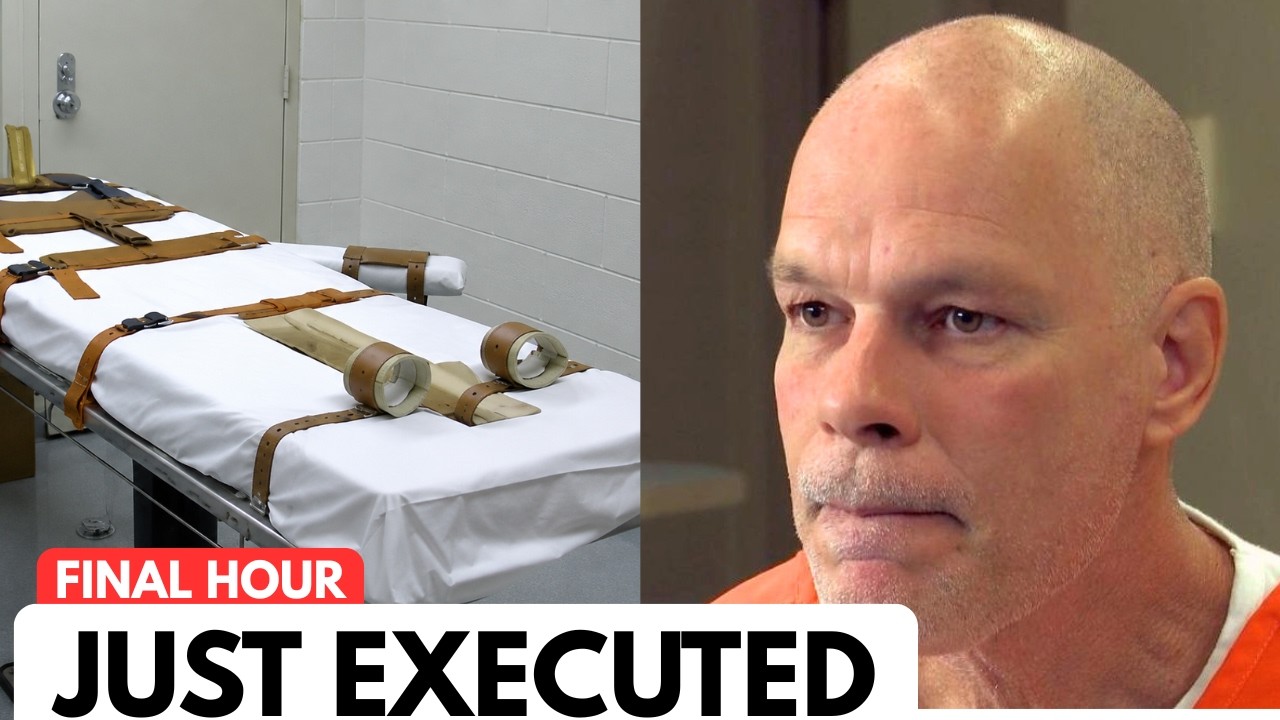 Barnes, who was 61 at the time of his execution, had spent the last weeks of his life doing something almost unheard of for a death row inmate: he dismissed his legal team and asked the state to expedite his execution. His case began in 1988 with the brutal murder of Patricia Miller, a 41-year-old nurse whose life was taken in her own home. The crime went cold for nearly 17 years until Barnes, in a 𝓈𝒽𝓸𝒸𝓀𝒾𝓃𝑔 twist, decided to confess.
Born on March 7, 1962, Barnes grew up in a troubled household. His twin sister described a childhood marked by severe discipline, which reportedly led all five siblings to struggle with addiction and legal issues as adults. By the time he reached his 20s, Barnes had settled in Melbourne, Florida, where his life would take a dark turn.
 On April 20, 1988, Patricia Miller was attacked in her condo. According to court documents, Barnes confronted her with a knife, assaulted her, and ultimately killed her with a hammer before attempting to destroy evidence by setting her bed on fire. Investigators were left with no leads, and the case remained unsolved for years.
In 1997, Barnes was convicted of murdering his estranged wife, Linda, after violating a restraining order against him. He was sentenced to life in prison, and the murder of Patricia Miller faded further into obscurity. However, in a remarkable turn of events, Barnes confessed to the crime in a letter to a state attorney in 2005, revealing details that only the perpetrator would know.

His confession led to a grand jury indictment, and Barnes chose to represent himself in court, pleading guilty without presenting a defense. In December 2007, he was sentenced to death for Miller’s murder. Unlike many death row inmates, Barnes did not engage in a lengthy appeals process. Instead, he accepted his fate and requested the state carry out the execution swiftly.
 As the clock ticked down to his execution date, advocacy groups raised concerns about his mental health history, arguing that the state should not execute individuals with serious mental illness, regardless of their wishes. Barnes’ family was divided on the issue, with some supporting the execution while others expressed deep reservations.
On the morning of his execution, Barnes woke up early, seemingly resigned to his fate. Witnesses reported that he appeared calm as he was led to the execution chamber. When offered a chance to make a final statement, he remained silent, leaving behind a chilling void where words might have provided closure.
At 6:13 p.m., James Barnes was pronounced dead, marking the fifth execution in Florida that year. His decision to confess to a murder that had long been cold and to seek his own death raises profound questions about guilt, redemption, and the human psyche. What drove Barnes to take such drastic actions, and what does it reveal about the complexities of justice and remorse?