In a chilling conclusion to a harrowing case, Richard Knight was executed in Florida on May 21, 2026, following the brutal double murder of Odessia Stevens and her 4-year-old daughter, Hennessey Mullings. The execution, carried out via lethal injection, has reignited discussions about justice, accountability, and unresolved evidence.
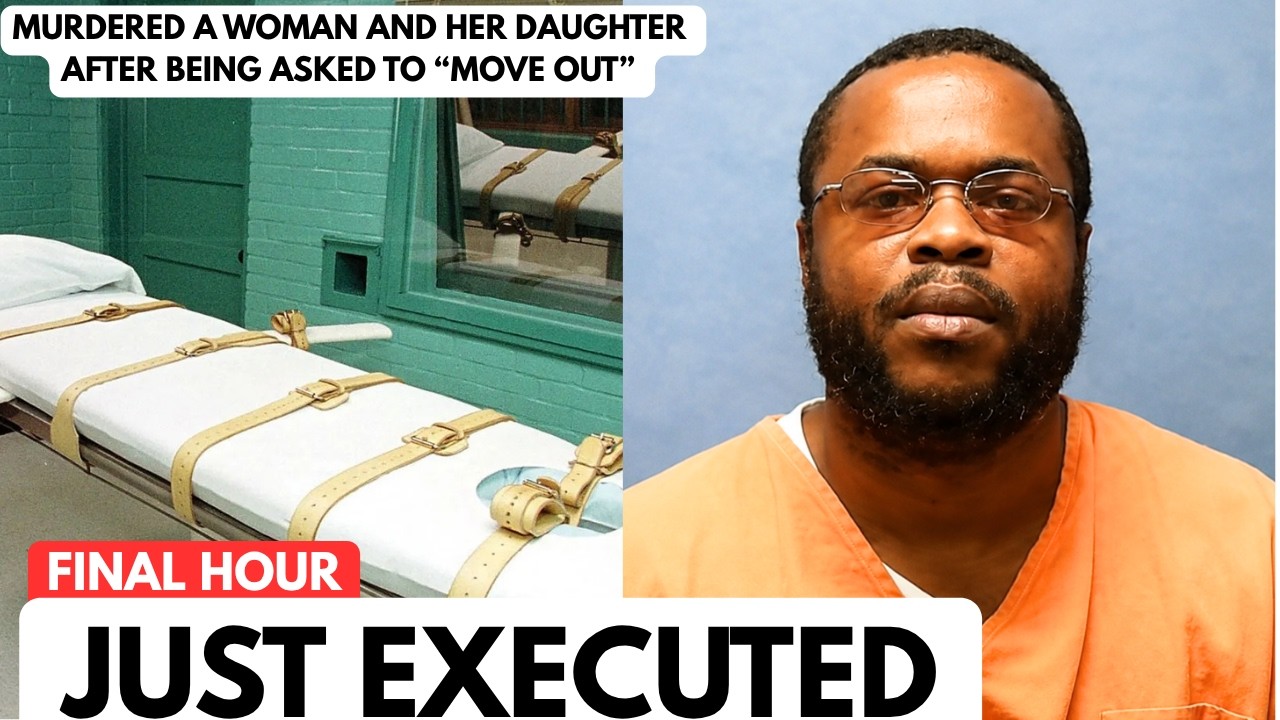 Knight, 47, was sentenced to death after being convicted of murdering Stevens and her young daughter in the summer of 2000. Court documents reveal that the crime was particularly heinous, with Stevens reportedly suffering 21 stab wounds, while Hennessey was also attacked. The details of that fateful night are haunting, as Knight allegedly killed the child to prevent her from identifying him as her mother’s murderer.
Born in Jamaica and abandoned as an infant, Knight’s early life was marked by trauma and neglect. He faced severe medical issues, including debilitating seizures and blackouts, which reportedly affected his behavior. By 2000, he had moved to Coral Springs, Florida, where tensions escalated with his cousin, Odessia Stevens, leading to the tragic events that unfolded.
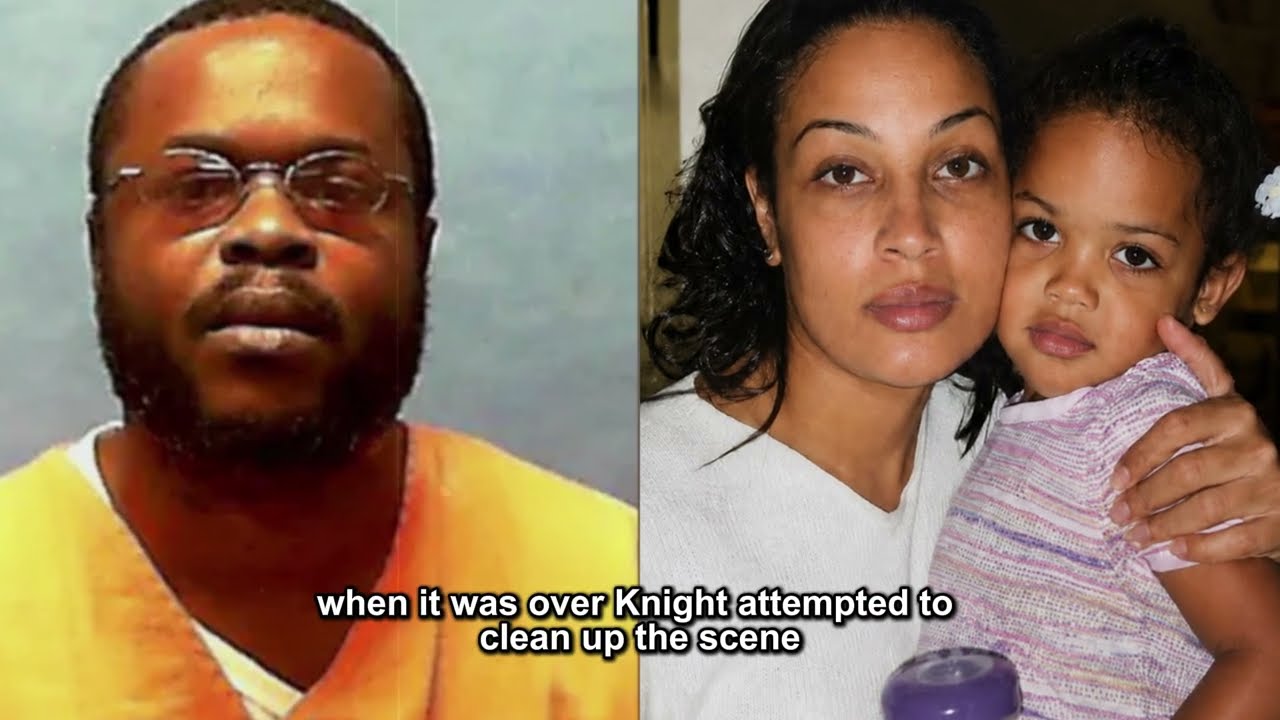 After a lengthy investigation, Knight was arrested in August 2001, over a year after the murders. His trial took place in 2006, where he was found guilty on two counts of first-degree murder. The court highlighted several aggravating factors, including the vulnerability of the victims and the particularly cruel nature of the killings. Despite his defense team presenting evidence of his traumatic past, the jury did not receive a complete picture of Knight’s life, leaving questions about the influence of his background on his actions.
The case took on a more complex dimension when investigators discovered a latent fingerprint on the murder weapon that did not match Knight or anyone else connected to the case. This piece of evidence remained unidentified as of his execution, raising concerns about whether the state should have proceeded with the execution without resolving this critical question. Knight’s legal team argued for further investigation into the fingerprint, suggesting that modern databases could potentially yield new matches.

As the execution date approached, Florida Governor Ron DeSantis signed Knight’s death warrant on April 22, 2026, setting the stage for an expedited process that critics argued was too rushed. With only 29 days between the signing of the warrant and the execution, Knight’s attorney faced personal challenges that complicated the final appeal.
 On the day of his execution, Knight declined a last meal and did not request any visitors. At 6:00 p.m., he was strapped to the gurney, and when asked if he had any final words, he simply expressed gratitude to Yahweh. The lethal injection began shortly after, and he was pronounced dead at 6:13 p.m.
This execution marked the seventh in Florida for 2026, and as the state prepares for more, the lingering questions about Knight’s guilt and the unresolved fingerprint remain. The families of the victims have endured decades of pain, and while justice has been served in the eyes of the law, the emotional scars persist.
As we reflect on this tragic case, one question remains: should the state have paused the execution until the mystery of the unidentified fingerprint was resolved? What are your thoughts on the balance between justice and unresolved evidence?