In a groundbreaking revelation that could reshape our understanding of biblical history, scientists have successfully sequenced DNA from the ancient Dead Sea Scrolls, uncovering astonishing findings that challenge long-held beliefs. Nearly 80 new fragments of these sacred texts have emerged, igniting fresh debates among scholars and enthusiasts alike.
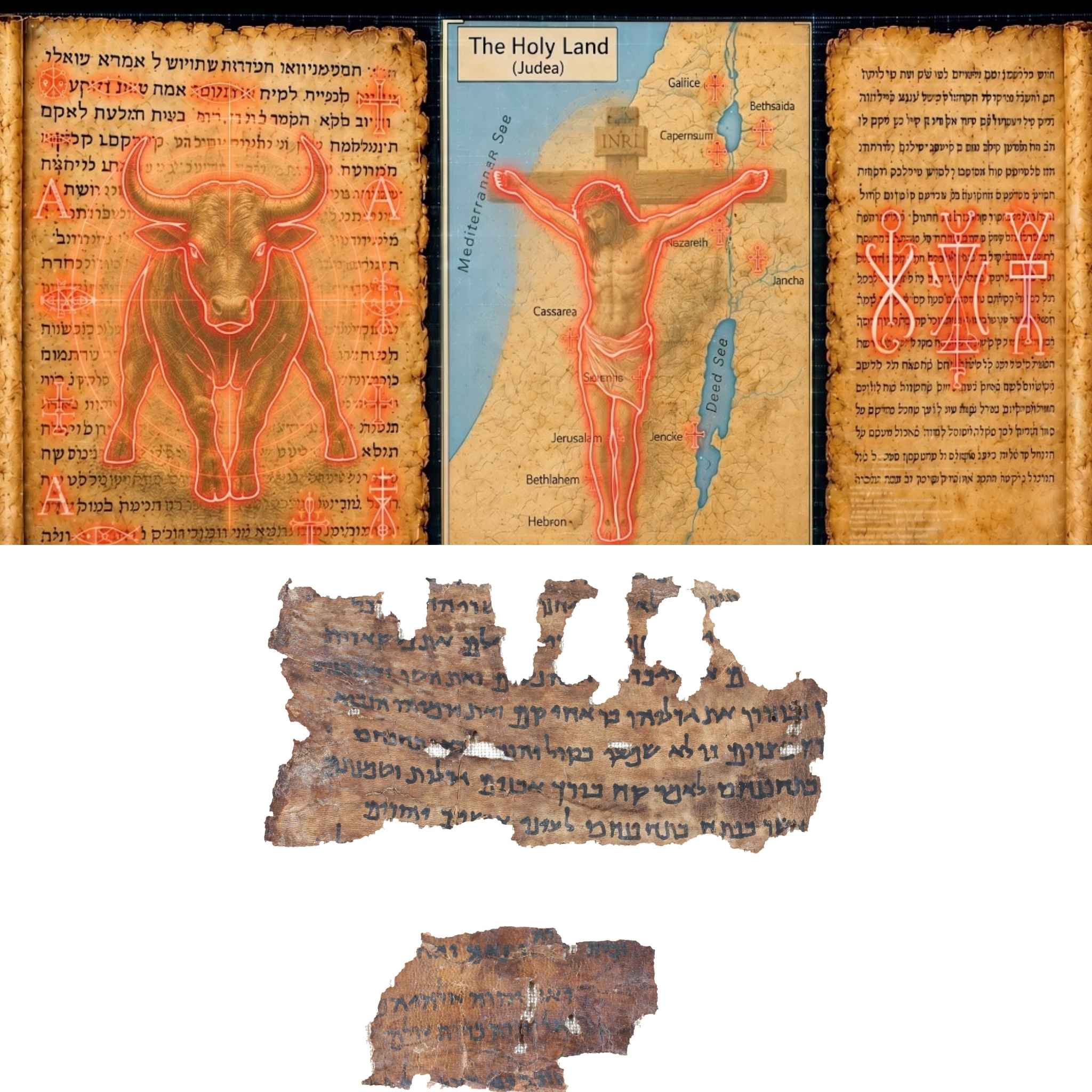 The saga of the Dead Sea Scrolls began in 1947 when a young Bedouin shepherd stumbled upon a cave near the Dead Sea, leading to the discovery of clay jars containing leather scrolls wrapped in linen. These artifacts, dating back over 2,000 years, are hailed as the oldest known biblical manuscripts and have sparked intense scholarly interest and controversy for decades.
Despite extensive study, many mysteries surrounding the scrolls remained unsolved. Scholars grappled with perplexing questions, such as why different versions of the same sacred texts were found in the same cave. In a remarkable turn of events, scientists turned to ancient DNA extracted from the animal skins of the scrolls in 2020. Their findings not only astonished the academic community but also shattered established theories about the origins and evolution of the Bible.
 For 70 years, the prevailing narrative suggested that the scrolls were penned by a sect known as the Essenes, a group that reportedly withdrew from mainstream society to live in the desert. This theory, however, faced scrutiny as the term “Essenes” was notably absent from the scrolls themselves. Critics, including Hebrew University professor Rachel Elior, have argued that the Essenes may not have existed as a distinct group at all, raising questions about the foundations of decades of scholarship.
As scholars debated the Essene theory, another hypothesis gained traction: the scrolls could have been written by displaced priests from Jerusalem, driven out by a rival dynasty. This theory suggested that these priests, rather than outcasts, were preserving their sacred texts during a time of turmoil. The DNA evidence, however, complicated matters further, revealing that some scroll fragments were made from cowhide—an animal that could not have thrived in the harsh desert environment near Qumran.

This revelation implies that not all scrolls originated from the same location, suggesting that they were brought to the caves by individuals fleeing the destruction of Jerusalem during the Roman siege. The DNA analysis pointed to multiple communities contributing to the collection, challenging the notion that the caves served as a single group’s library.
 Amidst this chaos, the scientists discovered something even more profound. Among the fragments, two versions of the Book of Jeremiah emerged, each with significant differences in content and structure. This finding indicates that the Bible was not yet a finalized text during the time these scrolls were written; rather, diverse communities held distinct interpretations of the same scripture, each believing their version to be the true word of God.
The implications of this discovery are staggering. The DNA evidence not only dismantled long-standing theories but also revealed the existence of lost traditions and texts that have shaped religious beliefs for centuries. It raises the haunting question of what other voices and narratives remain hidden among the vast collection of scrolls.
As the dust settles on these revelations, one cannot help but wonder: what other secrets lie within the remaining fragments, waiting to be uncovered?