Fatal Tesla Crash in Texas Reignites Debate Over Full Self-Driving Technology
Tesla is once again facing intense scrutiny after a fatal crash in Houston, Texas, where a vehicle allegedly operating in Full Self-Driving (FSD) mode crashed into a residential home, killing a 76-year-old woman inside.
The incident has reopened longstanding questions about the safety, transparency, and real-world limits of Tesla’s driver-assistance systems.
What Happened in Houston

According to reports from local authorities, a Tesla Model 3 driven by Michael Butler crashed through a brick home around 8 PM. Inside the residence, Martha Avila, 76, was struck by the vehicle and later died after being airlifted to a hospital.
Investigators say Butler told police the car was operating in Full Self-Driving mode at the time of the crash. Authorities have not yet confirmed whether FSD was engaged, and the investigation remains ongoing.
Officials also stated that no evidence of intoxication or intentional wrongdoing has been found so far. A full report will be submitted to the Harris County District Attorney’s Office once evidence review is complete.
Tesla’s Response and Ongoing Denials
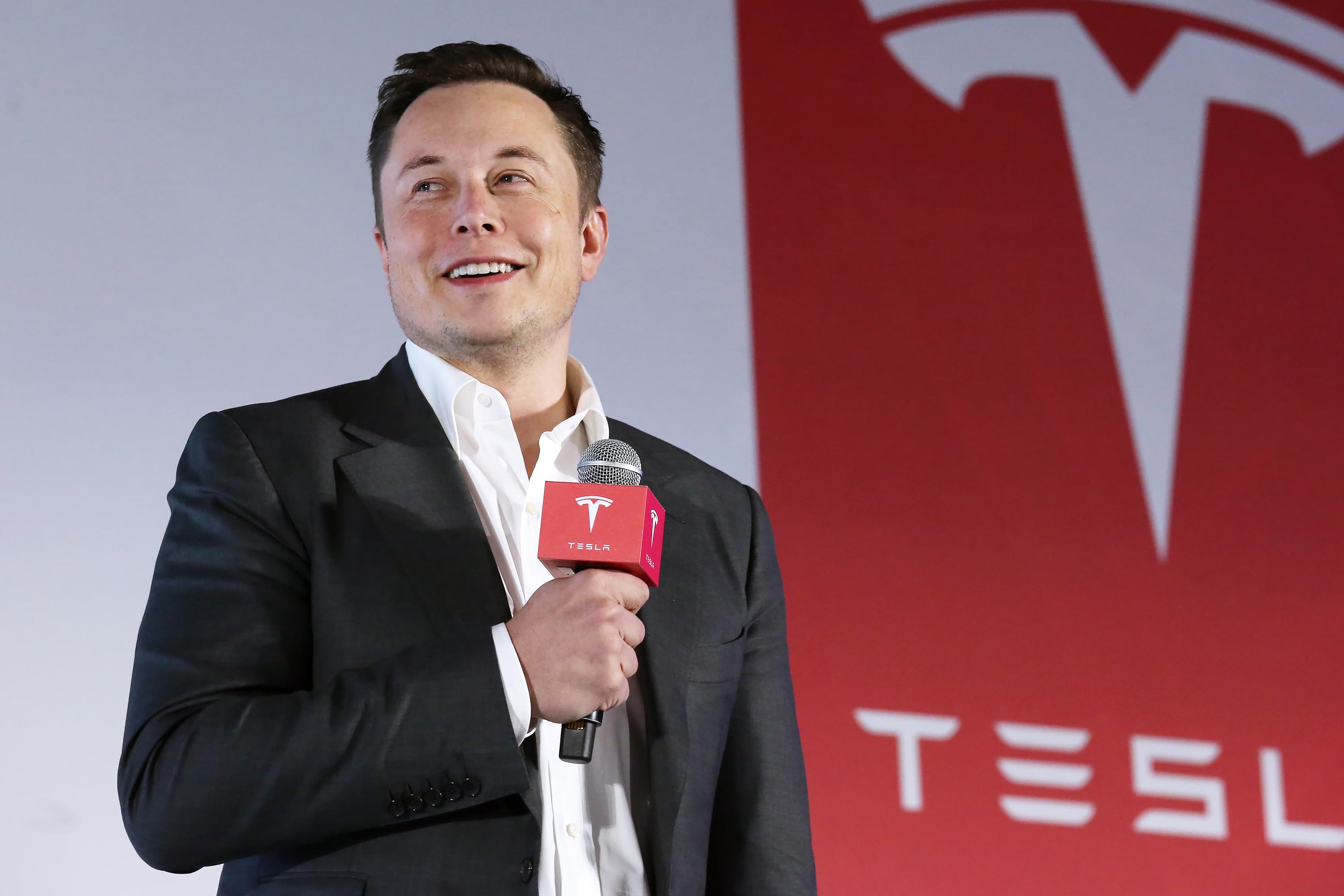
Tesla has not accepted fault in connection with the incident, consistent with its past responses to similar crashes involving driver-assistance features.
The company’s Full Self-Driving system has been involved in multiple high-profile investigations and lawsuits in recent years, many of which center on whether drivers over-relied on automation or misunderstood its capabilities.
Critics argue that Tesla’s branding and public messaging around “Full Self-Driving” have contributed to confusion, even though the system still requires active human supervision.
A System Under Heavy Scrutiny
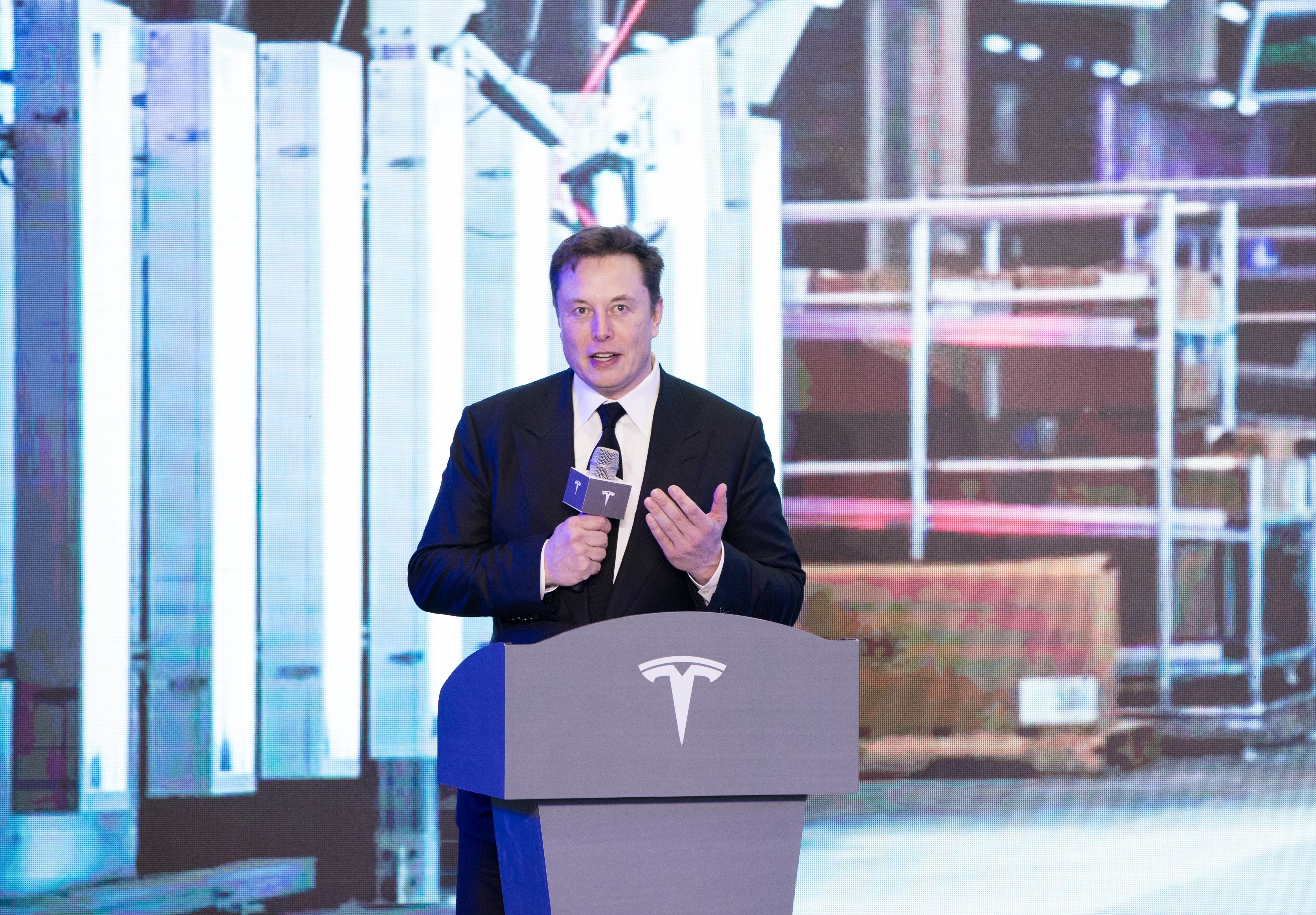
The crash has renewed debate among regulators, lawmakers, and safety advocates about whether Tesla is doing enough to clearly communicate the limitations of its technology.
Some policymakers have called for stronger requirements around data transparency, including access to vehicle logs, camera footage, and system decision-making data following serious accidents.
Senator Edward Markey has previously urged regulators to require autonomous vehicle companies to release comprehensive safety data, arguing that public oversight is necessary to evaluate claims about safety performance.
Elon Musk’s Public Commentary
Elon Musk briefly responded to the incident on social media, suggesting that reports of high-speed behavior were inconsistent with how FSD typically operates in neighborhood settings.
However, his comments have done little to settle the broader debate, which continues to divide opinion between Tesla supporters who emphasize driver responsibility and critics who argue the system’s marketing blurs accountability.
The Bigger Question for Autonomous Driving
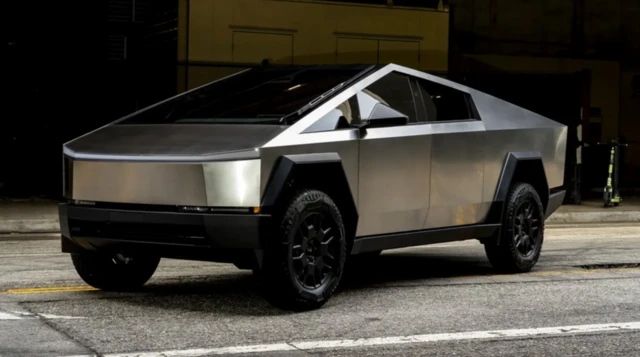
As investigations continue, the case highlights a fundamental tension in the development of autonomous vehicles: how to balance innovation with public safety when human drivers and automated systems share responsibility.


