In a tragic twist of fate, a 13-year-old boy’s life was cut short just days after appearing in a music video, highlighting the deadly reality of gang violence in Washington, D.C. The recent sentencing of five individuals in connection to this heartbreaking case underscores the escalating tensions fueled by neighborhood rivalries and the allure of street fame
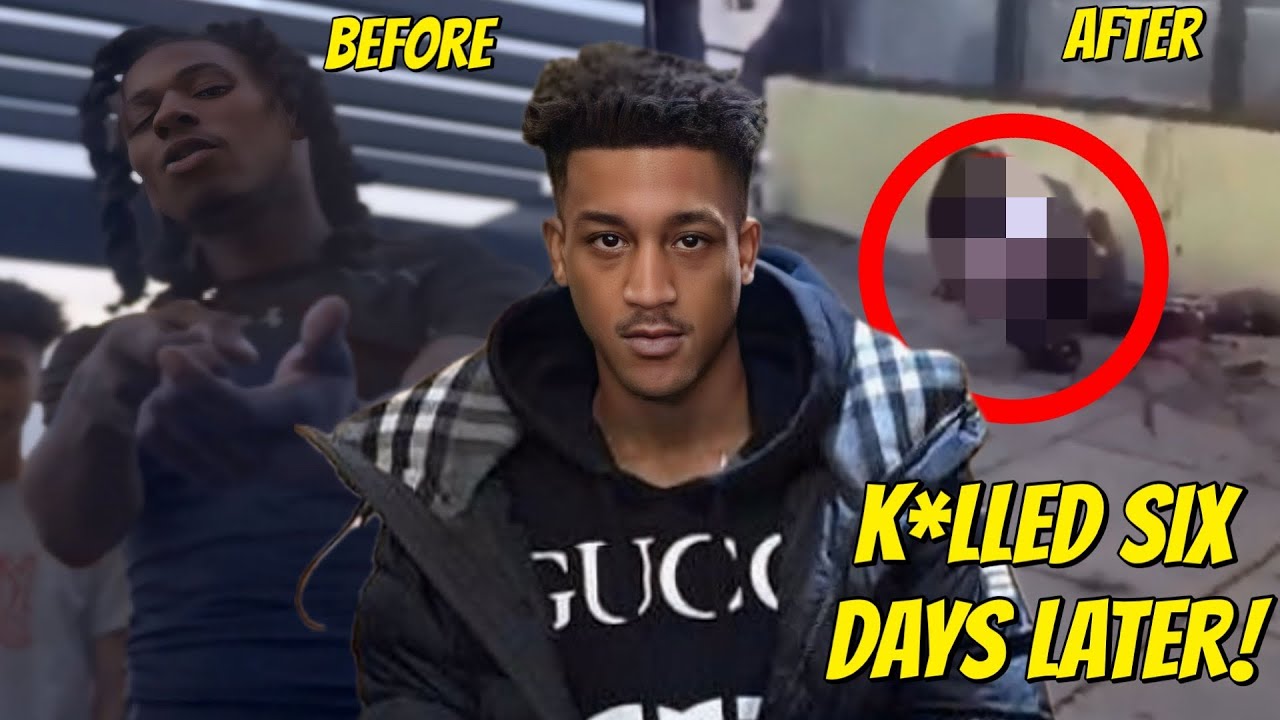 Malachi Lukes, a seventh grader at Washington Global Public Charter School, was shot and killed in broad daylight, a victim of a violent feud that has plagued the D.C. rap scene. Just last week, the district attorney announced that the final suspect linked to this devastating incident had been sentenced, bringing some closure to a case that has left a community reeling.
The circumstances surrounding Malachi’s death are chilling. He was featured in a diss track video that reportedly sparked a violent response from rival gang members. Four adult men, seeking notoriety, allegedly targeted him during a shooting spree that lasted nine days, tragically resulting in Malachi being shot in the back as he fled.

This incident is part of a larger narrative involving two rival rap crews—one from Ninth Street and the other from 3500. The tension between these groups has been exacerbated by the music they create, with lyrics often reflecting their real-life conflicts. The fallout from this feud has not only led to Malachi’s untimely death but has also resulted in multiple arrests and lengthy prison sentences for those involved
Among the accused is a rapper known as Gordo, who reportedly boasted about his violent exploits in his music. His lyrics, which referenced the very conflict that led to Malachi’s death, would later be scrutinized in court as evidence of the ongoing violence within the community. Gordo, along with several co-defendants, faces serious charges, including first-degree murder.
As the community mourns the loss of a bright young life, questions remain about the impact of music on violence and the responsibility of artists within their neighborhoods. The tragic story of Malachi Lukes serves as a stark reminder of the consequences that can arise from a culture that glorifies street life and rivalry.
What does this mean for the future of D.C.’s music scene, and how can communities come together to prevent further tragedies?

