The Quiet Man, a film often celebrated for its idyllic Irish romance, hides a much more tumultuous tale beneath its charming surface. From intense on-set clashes to a director’s lifelong dream, this beloved classic is filled with surprising stories that continue to captivate audiences even decades later.
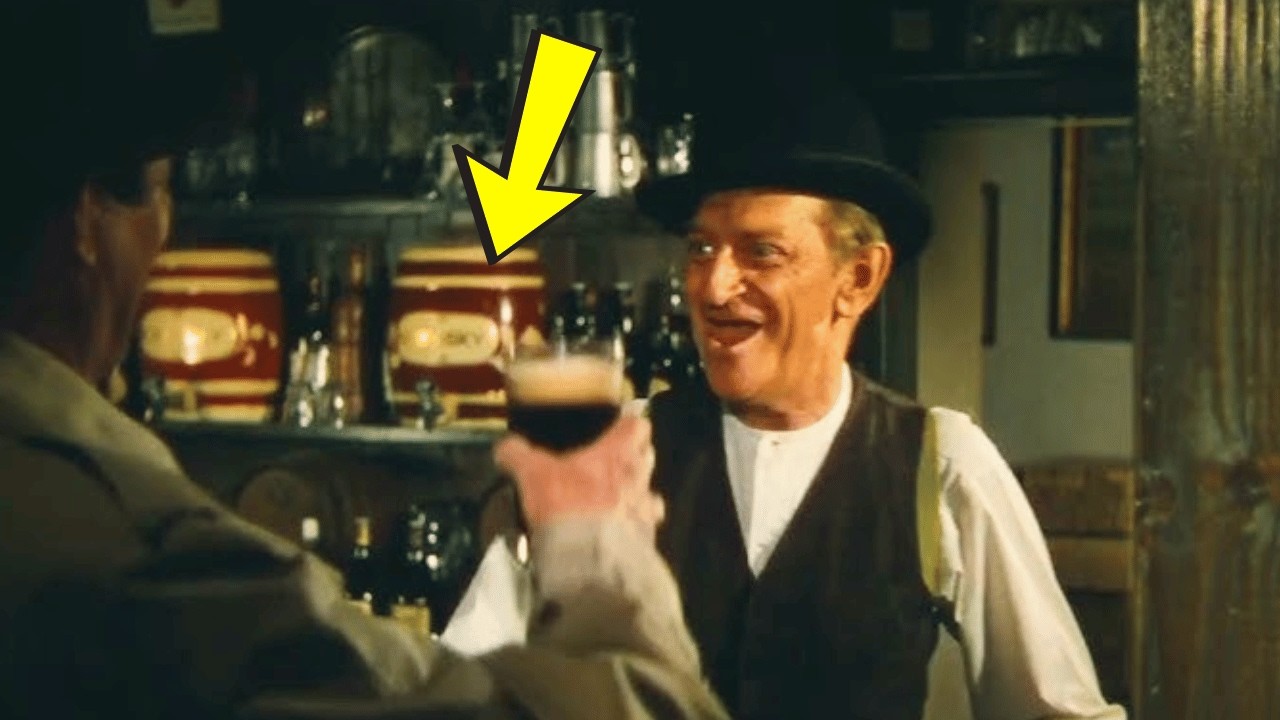 One of the most striking aspects of The Quiet Man is Maureen O’Hara’s vibrant red hair, which was entirely natural. As she portrayed the fiercely independent Mary Kate Danaher, her fiery locks became emblematic of her character’s strong spirit. O’Hara’s hair didn’t just stand out against the lush Irish landscape; it amplified every emotional moment, making her presence unforgettable. Cinematographer Winton C. Hoch utilized Technicolor to enhance the film’s vivid colors, creating an almost dreamlike quality that audiences still admire today.
Interestingly, director John Ford had never set foot in Ireland before making this film. Born to Irish immigrant parents in Maine, Ford had long yearned to capture the essence of the homeland he had only known through stories and imagination. It wasn’t until he gained enough clout in Hollywood that he could insist on filming in authentic Irish locations, allowing him to weave his personal connection into every frame.
Despite the film’s romantic backdrop, the cast included a mix of Hollywood stars and genuine Irish talent, which added a layer of authenticity to the story. John Wayne and O’Hara’s performances were enriched by the local actors, whose accents and mannerisms reflected the culture they lived in. This blend of star power and local flavor gave The Quiet Man a unique charm that felt both polished and real.
While Innisfree, the fictional village at the heart of the story, doesn’t exist on any map, the village of Cong in County Mayo became synonymous with the film. Today, it attracts countless visitors eager to walk the same paths as Wayne and O’Hara, a testament to the film’s enduring legacy.
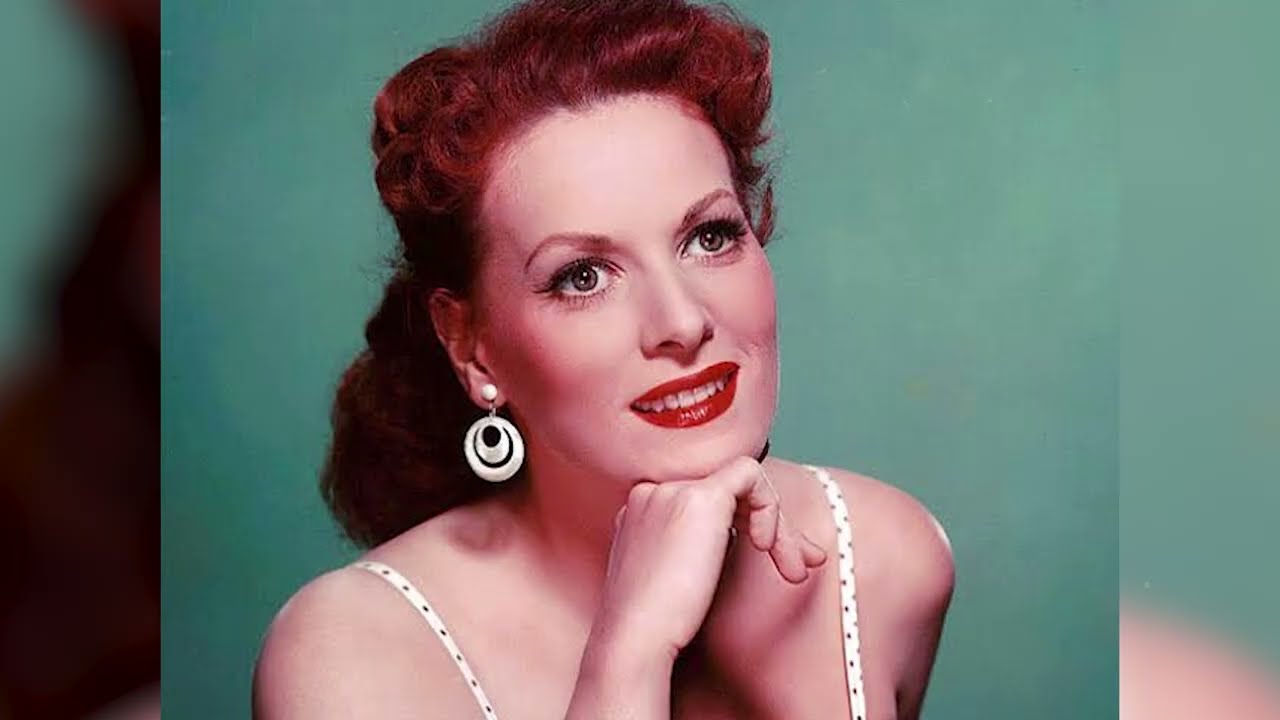
The iconic fight scene between Sean Thornton and Red Will Danaher is another highlight, remembered as one of the longest and most entertaining brawls in classic cinema. However, filming it was no easy feat; Wayne and Victor McLaglen faced grueling physical demands that left them exhausted. The authenticity of their performance stemmed from the sheer effort they put into making every punch and fall believable.
The unpredictable Irish weather also played a crucial role in shaping the film’s atmosphere. Rather than shy away from the elements, Ford embraced the natural conditions, allowing the changing skies and rain to enhance the film’s emotional depth. This approach contributed to the film’s rich visual tapestry, where the landscape became as much a character as the actors themselves.
Ford’s artistic vision extended to the film’s vibrant color palette, which some critics initially deemed too bright to be real. Yet, this was precisely the effect Ford sought; he wanted audiences to experience Ireland through a lens of nostalgia and romance, capturing the essence of a homeland that resonated deeply with him.

Maureen O’Hara’s commitment to authenticity extended to her character’s costumes, ensuring Mary Kate Danaher felt like a true representation of Irish womanhood. Her fierce spirit and willingness to stand up to Ford’s demanding direction showcased her strength as both an actress and a woman of her time.
The chemistry between Wayne and O’Hara is another reason the film continues to resonate. Their dynamic, marked by genuine conflict and mutual respect, brought a refreshing realism to their romance. The actors’ friendship allowed them to navigate their characters’ complexities, making their on-screen relationship feel authentic and relatable.
Interestingly, Ford had waited nearly two decades to bring The Quiet Man to life. After securing the rights to Maurice Walsh’s story in the 1930s, he refused to rush the project, holding out for the right conditions to ensure it matched his vision. This patience paid off, as the film became a hallmark of classic cinema.

O’Hara’s dedication to her role was evident in her willingness to perform many of her own stunts, showcasing her strength and determination. Her portrayal of Mary Kate was not just that of a romantic lead but of a strong, independent woman who could hold her own.
Today, Cong stands as a testament to the film’s lasting impact, transforming from a quiet village into a sought-after tourist destination. The Quiet Man has left an indelible mark on the landscape, drawing visitors eager to experience the magic captured on screen.
As we reflect on these fascinating behind-the-scenes stories, one can’t help but wonder: What other secrets lie beneath the surface of this cinematic treasure?