In a candid reflection on his iconic yet controversial work, “A Clockwork Orange,” author Anthony Burgess expressed deep regret over the impact it has had on society. The writer, who created the novel in 1961, shared his thoughts on how the themes of his story have resonated with generations, often in ways he never intended.
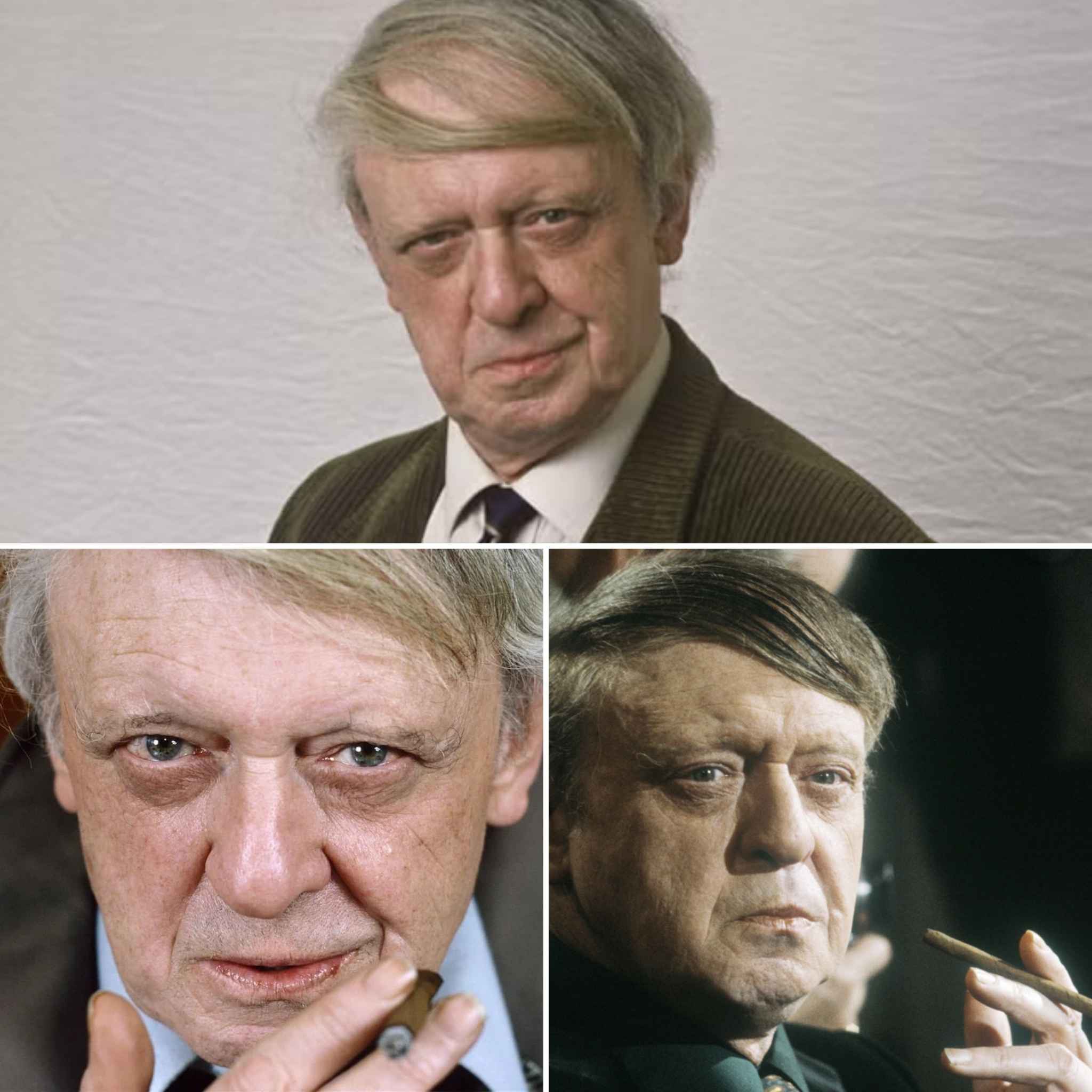
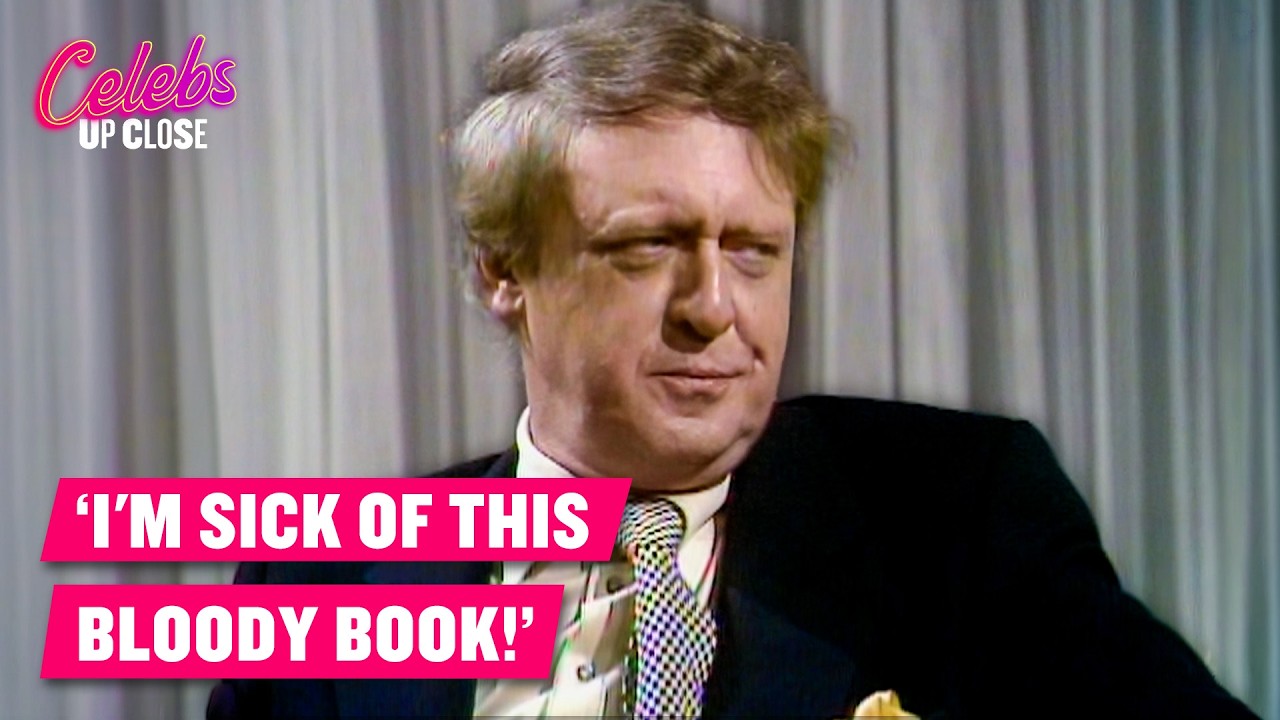
Burgess, known for his introspective nature, revealed his frustration with the public’s interpretation of his work. He emphasized that his role as a writer is to craft narratives, leaving the interpretation to readers and filmmakers. “I’m sick of this bloody book,” he admitted, acknowledging the unintended consequences that have followed its release, particularly after Stanley Kubrick’s film adaptation.
The author described “A Clockwork Orange” as an exploration of humanity’s darker tendencies. He aimed to illustrate the age-old theme of original sin, suggesting that people often choose evil over good. “Given an opportunity to do good or to do evil, men will usually do evil,” he stated, reflecting on the darker aspects of human nature that he believes are often overlooked.
Burgess’s personal experiences with violence shaped his understanding of evil. He recounted a tragic incident involving his late wife, who suffered a brutal attack that ultimately led to her premature death. This painful chapter of his life, he explained, fueled his desire to confront the concept of evil through his writing. “The writing of the book was an attempt to exorcise the nightmares that followed,” he noted, revealing the emotional weight behind his work.
Despite his regrets, Burgess maintained that the exploration of good and evil is essential. He argued that the state’s attempts to control morality, as depicted in his novel, ultimately strip individuals of their ability to choose. “If a man cannot do wrong, he cannot do good,” he asserted, emphasizing the importance of personal agency in defining morality.
As the conversation shifted to politics, Burgess expressed his disdain for politicians, whom he described as “neutral men” who often fail to address the real issues facing society. He criticized their reliance on abstract party programs, arguing that true solutions lie within individuals rather than in political rhetoric.
Burgess’s reflections were not just limited to societal issues; he also touched on his literary journey. After being diagnosed with a brain tumor in 1959 and given a year to live, he turned to writing as a means of survival. “In that terminal year, I wrote five novels,” he recalled, marking the beginning of a prolific career that some critics have labeled as overproduction.
As he navigated through his thoughts on life, death, and creativity, Burgess showcased his sharp wit and intellect. He expressed a unique perspective on historical figures, including Napoleon, whom he portrayed as a flawed character rather than the romanticized hero often depicted in popular culture.
In a poignant conclusion, Burgess hinted at the darker themes explored in his other works, suggesting that society may soon confront uncomfortable truths about survival and morality. “We may well have to do it,” he warned, leaving listeners to ponder the implications of his insights.
What does it mean for society when the boundaries of good and evil blur, and how do we navigate the choices that define us?