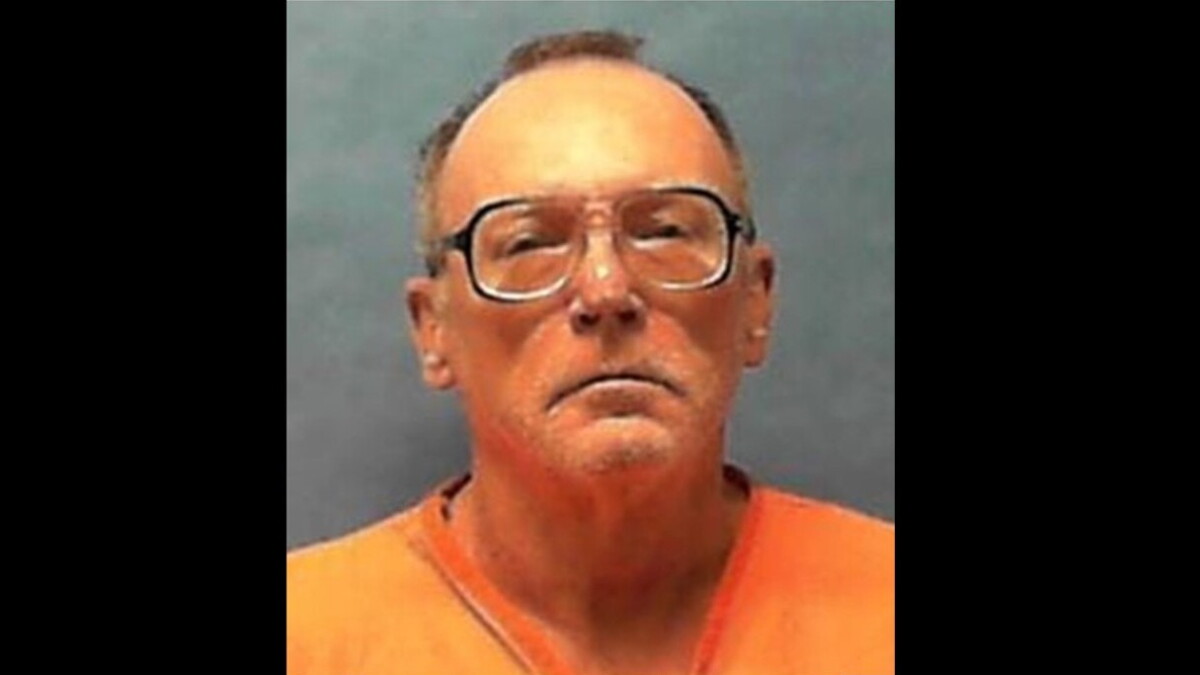
Texas executed death row inmate Steven Leane Nelson on Wednesday evening, ending a 14-year legal saga defined by brutal violence, unrepentant defiance, and a final declaration of love from the gurney. The 37-year-old was pronounced dead at 6:50 p.m. inside the Huntsville Unit after receiving a lethal dose of pentobarbital. His last words, spoken softly to witnesses, were: “I will always love you no matter. Our love is uncontrollable. I’m at peace. I’m ready to be at home. Let’s ride, Warden.” The execution proceeded after the U.S. Supreme Court denied a last-minute appeal earlier in the afternoon.
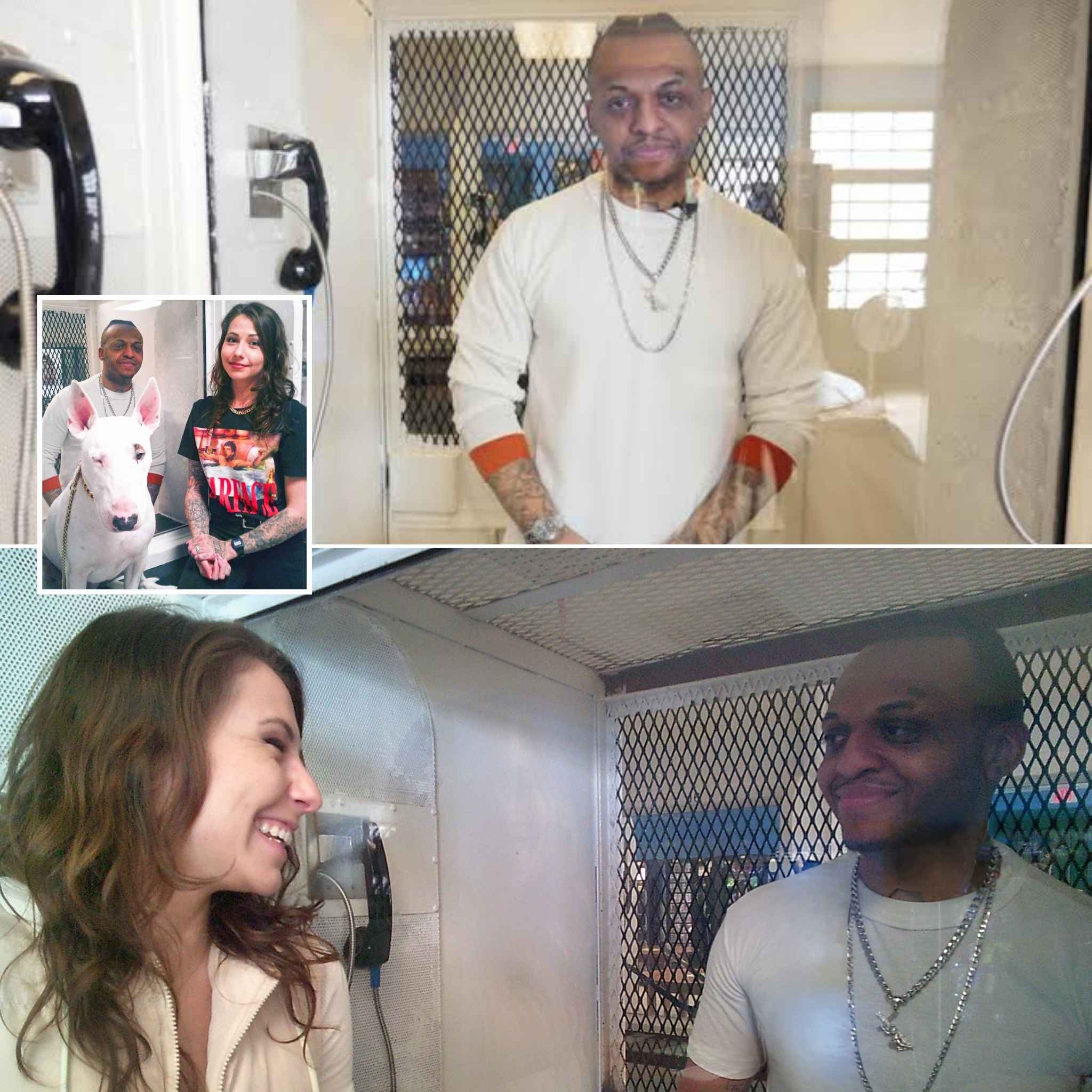
Nelson’s final 24 hours were characterized by a mix of eerie calm and moments of raw emotion. He spent the morning with his spiritual advisor, eating a last meal that included fried chicken, mashed potatoes, corn on the cob, and a slice of pecan pie. Prison officials reported he declined a special request for a steak. He showered, made phone calls to his wife, and wrote a letter. Witnesses described him as composed but visibly exhausted after more than a decade on death row.
The convicted killer married Aisha Nelson on Christmas Eve 2024, barely eight weeks before his execution. She was present in the witness room, separated by bulletproof glass and steel. In an interview two days before his death, Nelson said, “It’s hard at times, you know, because you’re waiting to be put to death. That kind of breaks a little part of you every day.” He added that he did not want his wife to see him “get pumped full of drugs. I think that would leave a bad impression that will override the good memories.”
The execution brought closure to the families of Pastor Clint Dobson, 28, who was murdered inside North Point Baptist Church in Arlington on March 3, 2011. Dobson was beaten, strangled with a computer cord, and suffocated with a plastic bag during a robbery. Church secretary Judy Elliot, then 69, was brutally assaulted but survived after five months of reconstructive surgery. She died in 2024, and her son witnessed the execution in her honor. The Elliot family publicly forgave Nelson but did not oppose the death sentence.
Nelson’s criminal history stretched back to childhood. Born in Ada, Oklahoma, to a broken home, he set his mother’s mattress on fire at age three. By six, he was known to juvenile authorities for vandalism and assault. He spent years in the Texas Youth Commission, where he hardened rather than reformed. As an adult, he cycled through jail and prison for theft, burglary, and assault. In 2010, he beat his girlfriend; prosecutors refused to drop charges. The violence escalated rapidly.
The attack on the church was swift. Nelson entered the building armed with rage. He beat Dobson repeatedly, strangling the pastor while Judy Elliot lay battered nearby. He stole a laptop, a cell phone, credit cards, and a car. By afternoon, he was shopping for clothes and jewelry. Investigators found blood on his shoes and his fingerprints at the scene. He was arrested within days after missing a probation appointment. Charged with capital murder, he faced the possibility of death.
 While awaiting trial in Tarrant County Jail in March 2012, Nelson allegedly murdered another inmate, Jonathan Holden, a mentally ill man incarcerated for theft. According to testimony, Nelson convinced Holden to feign a suicide by tying a noose from torn blankets. Instead, Nelson looped the blanket around Holden’s neck, braced against the bars, and pulled for four minutes. After Holden stopped breathing, Nelson reportedly strummed a broomstick like a guitar in a celebration. Holden’s family later secured a $350,000 settlement from the county.
During his 2012 trial, Nelson took the stand, claiming two acquaintances committed the murder while he acted as a lookout. The jury rejected his alibi. Forensic evidence, including DNA and a broken belt, placed him at the scene. On October 8, 2012, he was convicted of capital murder and attempted capital murder. During sentencing, prosecutors highlighted the jailhouse killing. The jury deliberated for hours before returning a death sentence. When the verdict was read, Nelson erupted, cursing and smashing a courtroom sprinkler, flooding the floor with black liquid.
Over the next 13 years, Nelson filed multiple appeals, all denied. The Texas Court of Criminal Appeals dismissed his direct appeal in 2015. A federal judge rejected another petition in 2017. In June 2023, the court denied relief again. His final appeal to the U.S. Supreme Court was turned down on February 5, 2025, just hours before the execution. As his legal options vanished, the state prepared to carry out the sentence. Anti-death penalty activists held vigils outside the Tarrant County Courthouse in November 2024, urging clemency. They argued that Nelson’s traumatic childhood and mental health diagnoses made him less culpable.
Religious groups remained divided. While the Roman Catholic Church and mainline Protestant denominations oppose capital punishment, many evangelical and Southern Baptist congregations support it. First Baptist Arlington, the church where Pastor Dobson served, issued a statement focusing on caring for the affected families rather than taking a stance on execution. Senior Pastor Dennis Wilds had previously said, “As the Bible teaches us, God has placed civil authority in our midst so that innocent people can live in freedom without fear.”
 Steven Nelson entered the death chamber at 6:26 p.m. He was strapped to the gurney. He looked toward the witness room and mouthed words to his wife. The lethal injection began at 6:38. He closed his eyes. A minute later, he stopped moving. Medical staff checked for responsiveness. At 6:50, he was declared dead. In a statement, Dobson’s family said, “Clint loved people and he loved God. He was always excited by the opportunity to unite the two. A believer in social justice, he led a diverse congregation and worked to make sure that everyone felt welcome.” They asked for privacy to grieve.
Nelson’s last meal request was simple: fried chicken, mashed potatoes, corn on the cob, and pecan pie. He did not request a special beverage. Prison officials noted he ate only half the meal. He spoke with his wife by phone for 20 minutes at 3 p.m. He told her, “I love you. Don’t forget me.” She was not allowed a final touch through the glass. The cold separation of bulletproof glass defined their marriage—a union of two months built entirely on phone calls and visits through barriers.
In his final interview, Nelson admitted to stealing but insisted he did not kill Pastor Dobson. “I didn’t kill that man. I’ve made mistakes, but I didn’t do this.” He expressed regret only for the pain his execution would cause his wife. He never apologized to the Dobson or Elliot families. He never expressed remorse for Jonathan Holden’s death. His spiritual advisor, Dr. Jeff Hood, an anti-death penalty activist, said Nelson died “with a measure of peace despite the horror of the system.”
The execution makes Steven Nelson the first inmate put to death in Texas in 2025. Texas remains the nation’s most active death penalty state. Four other men are scheduled for execution in the coming months. The state’s governor did not intervene. Clemency requests were rejected by the Texas Board of Pardons and Paroles earlier this week. The case has reignited debate over the morality and efficacy of capital punishment, particularly for offenders with severe childhood trauma and mental illness.
 For the survivors, the execution marks the end of a long chapter. Judy Elliot’s son, who witnessed the lethal injection on behalf of his mother, said in a statement that the family had forgiven Nelson years ago. “We hope he found peace. We have moved forward with our lives, remembering the good in Clint and Judy.” The Dobson family echoed that sentiment. But the image of a man who never repented, who killed inside jail, who smashed a courtroom in fury, leaves a complicated legacy. Steven Nelson’s final 24 hours were not those of a man broken by remorse, but of a man resigned to an outcome he had long seen coming.
As the drugs flowed, his last words lingered. “Let’s ride, Warden.” Then he was gone. The state of Texas closed the case on a killer who entered the world in chaos and left it in silence, behind a pane of glass, with no one to hold. The sun set on Huntsville. The execution moved on. But the questions remain: What drives a man to kill for a laptop? What fails a child so badly that he sets a mattress on fire at three? The answers lie buried with Steven Nelson, and with the pastor he murdered.
Clint Dobson’s congregation held a private prayer service Wednesday evening. They lit candles and read scripture. Their pastor was gone. But his work, they said, would continue. “We choose love over hatred,” one member said outside the church. “That’s what Clint would have wanted.” For the Nelson family, there is only the void of a son, a husband, a man who could not be saved. The cycle of violence that started with a small boy in Oklahoma ended on a gurney in Texas. There is no redemption in this story. There is only a final, terrible silence.
/https://tf-cmsv2-smithsonianmag-media.s3.amazonaws.com/filer_public/54/66/546650fa-26a4-40fd-8d6d-5a7a04540f81/rosetta2.png)