CASE FILE: BRENT RAY BREWER — TEXAS EXECUTION AFTER 33 YEARS ON DEATH ROW

Texas has carried out the execution of Brent Ray Brewer, ending a death penalty case that stretched more than three decades after a fatal 1990 stabbing that prosecutors said began as a robbery worth just $140. Brewer, 53, was pronounced dead at 6:38 p.m. at the Texas State Penitentiary in Huntsville, closing a legal saga that followed him from teenage offender to long-term death row inmate.
The crime dates back to when Brewer was 19 years old and traveling with his girlfriend, Krystie Lynn Nystrom. According to trial records, 66-year-old Robert Laminack had offered them a ride to a Salvation Army facility in Amarillo. Prosecutors said that during the encounter, Brewer turned on Laminack and fatally stabbed him before fleeing the scene, an act that would ultimately lead to a capital murder conviction and a death sentence in 1991. Nystrom was later sentenced to life in prison for her involvement.
Over the next three decades, Brewer’s case moved repeatedly through the courts, with multiple appeals challenging both his conviction and sentencing. His legal team argued that he had suffered childhood abuse, mental illness, and that the original trial failed to fully consider mitigating circumstances tied to his youth and psychological development at the time of the crime.
In 2009, Brewer faced a second sentencing trial after earlier proceedings were revisited, and a new jury again imposed the death penalty. Central to that sentencing was expert testimony from a prosecution witness who claimed Brewer posed a continuing future danger to society, a finding that later became heavily disputed by defense attorneys who argued the assessment was false and unscientific.
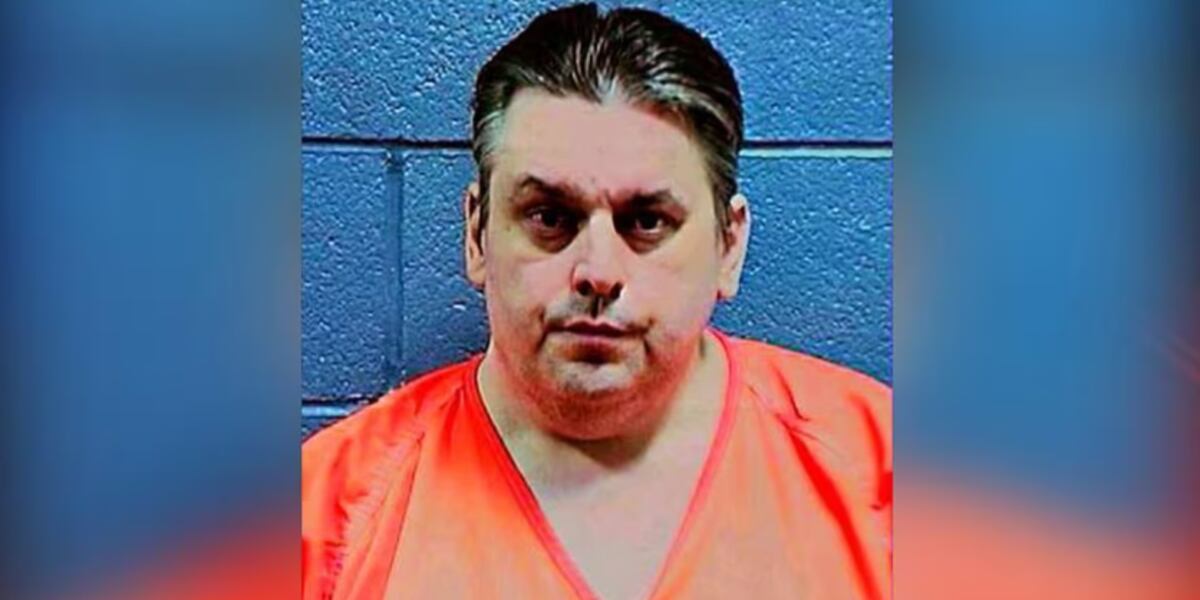
In the final days before execution, Brewer’s appeals continued up to the highest courts, including claims that jurors had been influenced by flawed expert testimony and procedural issues during sentencing. His attorneys also sought clemency, arguing that jury misunderstandings and unreliable psychological conclusions had contributed to the death sentence. However, both state courts and the U.S. Supreme Court declined to intervene, allowing the execution to proceed.
Before his death, Brewer addressed the victim’s family in a final statement, expressing remorse and saying he hoped they could find peace. He acknowledged that he could not undo the harm caused and reflected on the fact that the crime was committed when he was a teenager, stating he was no longer the same person.
Witnesses reported that the execution was carried out within minutes after lethal injection was administered, bringing a formal end to a case that had spanned more than 33 years of legal proceedings.
The execution has reignited debate over capital punishment in Texas, with supporters pointing to the severity of the crime and decades of upheld convictions, while critics question the role of disputed expert testimony, youth offender rehabilitation, and whether justice is truly served after so many years.
For the victim’s family, the legal process has finally reached its conclusion after more than three decades of waiting. For others, the case remains a reminder of how long the American death penalty system can take to reach its final, irreversible outcome.