In a raw and candid interview that lays bare the struggles of a life in the spotlight, actor and former footballer Vinnie Jones has detailed the depths of his addiction to alcohol and crack cocaine, recounting the moment police boarded his plane at Heathrow and the devastating spiral that followed. The confession comes as Jones, now eight years sober, speaks publicly about the grief, guilt, and recovery that have defined his later years.
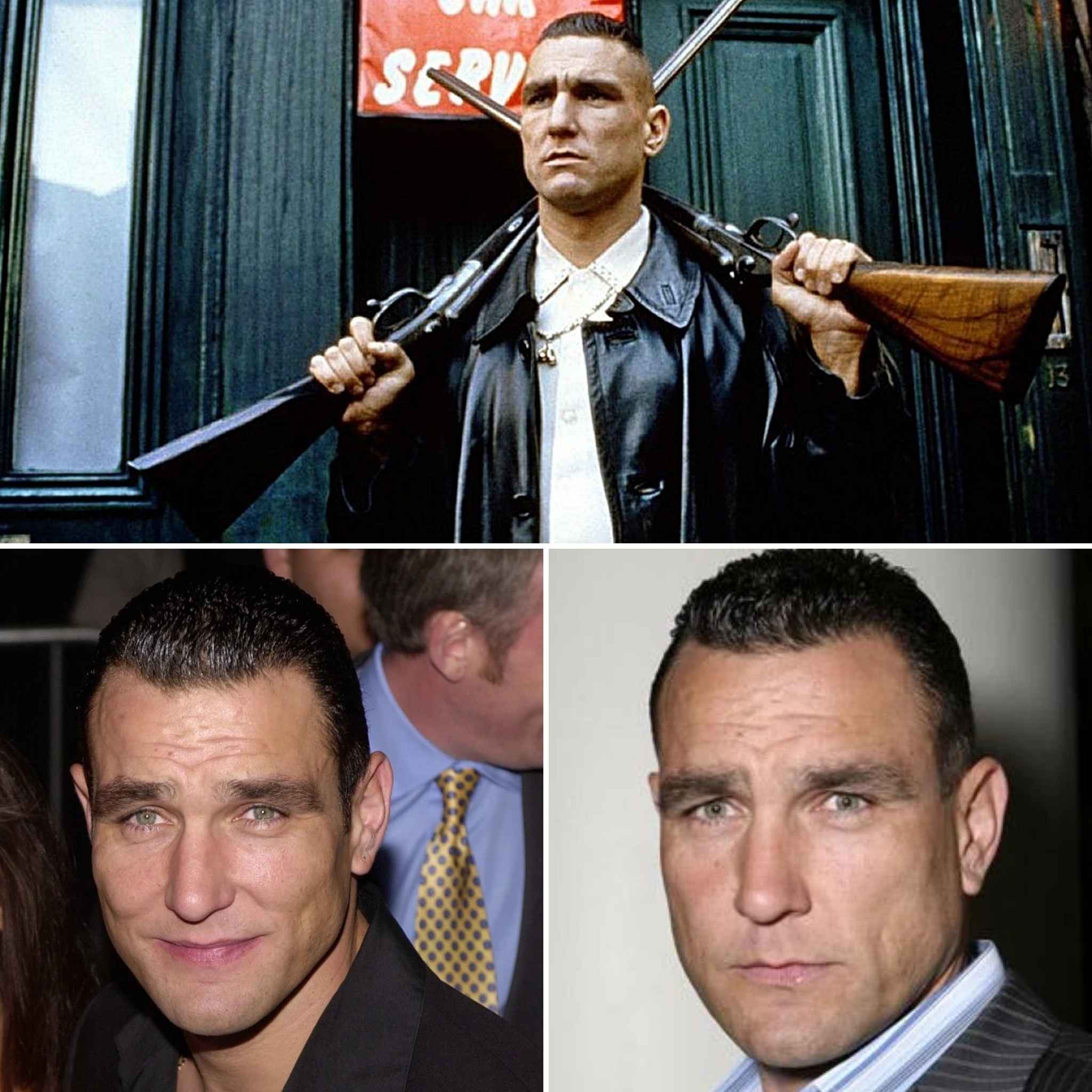
Jones, 59, known for his tough-guy roles in films like Lock, Stock and Two Smoking Barrels and Snatch, revealed that his addiction had completely taken control. “The booze had me. The booze, the crack, the success with that, you know, becomes heavy drinking,” he said during the interview, which was recorded for the series Celebs Up Close. The admission underscores a career marked by both Hollywood triumph and personal chaos.
The British star recalled a particularly harrowing incident involving former News of the World editor Piers Morgan, who interviewed him for the program. Jones described how a reporting assignment in Dublin spiraled out of control. He had been sent to cover a football match but instead spent the day drinking. “We ended up not going and ended up staying at the bar,” Jones recounted. The game was halted after just 18 minutes due to violence, but Jones chose another drink over filing a report.
What followed was a physical altercation with war correspondent Ted Oliver, then of the Daily Mirror. Jones admitted to a “frac” involving a bizarre maneuver where he put his nose around a man’s neck. “I found him upstairs and tried to explain to him, and I actually said, ‘Do what you want.'” The confrontation culminated in Jones being arrested upon landing at Heathrow. “The coppers came on the plane and my mate kind of went, ‘I think it’s you, son. You’re on your own.’ They handcuffed me, took me down to Axbridge.”
Morgan, who was his editor at the time, fired him after the incident. But Jones did not hold a lasting grudge. “It was the right thing to do,” Jones said, though he later noted that Morgan rehired him as a columnist at the Daily Mirror. “I obviously reinvented myself very well,” Jones quipped, a rare moment of levity in an otherwise painful recollection.
The addiction nearly destroyed his burgeoning Hollywood career. The Dakota brawl, a notorious incident in Los Angeles, would have ended everything if Jones had been found guilty. “You’d have not been allowed back into the country. It all been over. I’d probably have a little carpet shop in MLM, right?” he mused, referencing a possible alternative life. “Who knows?”
 But the turning point came eight years ago, when Jones decided to give up alcohol. He had been struggling with heavy drinking and crack cocaine for years, a pattern that began early in his football career. “I think it all goes part and parcel with whether you’re in the army or football with a gang of lads,” he explained. “You start looking back on everything and start analyzing it better. Get somebody to talk to.” He credited a “great guy in LA” with helping him quit.
The ultimate test of his sobriety came after the death of his wife, Tanya, in 2019. Many wondered if grief would drive him back to the bottle. Instead, it made him stronger. “I let her down enough over 27 years. I ain’t going to do it, you know, with her guiding me now anyway,” Jones said, his voice thick with emotion. The question of whether he misses alcohol is met with a firm no.
Jones now sees his role as a mentor to others struggling with addiction and grief. “I’m in a great position to talk about alcoholism and grief,” he stated. “I’m not in a position professionally to talk about it. I’m talking about life stories. You can’t take it back. Yes, I’d like to reel some of them things back. The air raids, the bar fight, the neighbor, and all them. I can apologize till the day they put me in the ground, but it’s not going to change anything. But I can help and change other people now.”
The interview, conducted by Piers Morgan, who has his own history with Jones, took on a deeply personal tone. Morgan, who had been both a boss and a foil, asked if Jones felt proud of his eight-year sobriety. Jones deflected the compliment, but Morgan insisted: “I think you should be proud of yourself.” Jones responded simply, “Thank you.”
Jones’s journey from football hooliganism to Hollywood stardom is well documented. He played for teams including Wimbledon and Leeds United before transitioning to acting. His on-screen persona often mirrored the aggression he displayed in real life. Yet behind the tough exterior lay a man grappling with immense loss and addiction. The death of Tanya, his wife of 27 years, from a rare form of cancer, nearly broke him.
But instead of succumbing, Jones channeled his grief into advocacy. He has been open about his struggles, speaking at recovery events and using his platform to destigmatize addiction. “The ultimate test would have been after Tanya died,” he said. “That was a lot of people’s question. That just made me stronger.” His sobriety, he emphasizes, is not just about abstinence but about redemption.

The interview also touched on the Dakota brawl, a 2006 incident in which Jones was accused of assaulting a man on a flight. He faced potential deportation and a jail sentence, but the charges were eventually dropped. “That had you been found guilty, you probably would have ended any Hollywood career,” Morgan pointed out. Jones agreed, acknowledging that the legal system gave him a second chance.
Jones’s narrative is a cautionary tale about the dangers of fame and fortune without a support system. He admitted that the success of his acting career fueled his heavy drinking. “The booze had me,” he repeated, a refrain that underscores the powerlessness of addiction. His recovery, however, is a testament to the human capacity for change.
In the years since going sober, Jones has taken on roles that reflect his personal growth. He has also become a vocal supporter of mental health initiatives. “I feel that I’m in a great position to help other people,” he said. His message is simple: It’s never too late to seek help. “You can’t take it back, but you can change the future.”
The interview has resonated deeply with fans and critics alike. Social media erupted with support for Jones after the clip was released, with many praising his honesty. “Vinnie Jones is showing us what true strength looks like,” one user wrote. Another commented, “This is the real Vinnie, not the movie character. Respect.”
Morgan, who has conducted hundreds of high-profile interviews, called this one particularly powerful. “I’ve known Vinnie for decades, but I’ve never heard him so open,” Morgan said in a statement. “This is a man who has faced his demons and come out the other side. His story should inspire anyone struggling with addiction or grief.”
 The transcript of the interview reveals not just a celebrity but a human being grappling with the consequences of his actions. Jones does not shy away from the low points. He recalls the night of the Dakota brawl with clarity, the shame of the arrest, the humiliation of being fired. Yet he also acknowledges the grace that allowed him to rebuild his life.
For Jones, the future is about service. He wants to use his story to prevent others from making the same mistakes. “I’d like to go back and start again,” he said earlier in the interview, a fleeting wish that he quickly dismisses as impossible. Instead, he looks forward, guided by the memory of Tanya and the discipline of sobriety.
The breaking news of Vinnie Jones’s candid confession arrives at a time when the conversation around addiction and mental health is more urgent than ever. Celebrities often struggle in silence, but Jones has chosen to break that silence. His words carry weight because they come from experience, not from a script.
As the interview closes, Morgan asks again about pride. Jones hesitates, then admits that he feels “in a great position to talk about alcoholism and grief.” That is his pride, not in the past but in the ability to help. The applause that followed his statement was not just for the actor but for the survivor.
In the weeks ahead, Jones is expected to continue his advocacy work, including speaking engagements and possible collaborations with addiction recovery organizations. His story, as told in this interview, will undoubtedly serve as a beacon for those still in the throes of the disease. “It’s not going to change anything,” he said of apologizing for past wrongs, “but I can help and change other people now.”
This breaking news development does not just recount a celebrity’s struggles; it offers a roadmap for redemption. Vinnie Jones, once the embodiment of reckless aggression, now stands as a symbol of resilience. The booze, the crack, the grief—none of it has the final say. He has the mic now, and he’s using it for good.