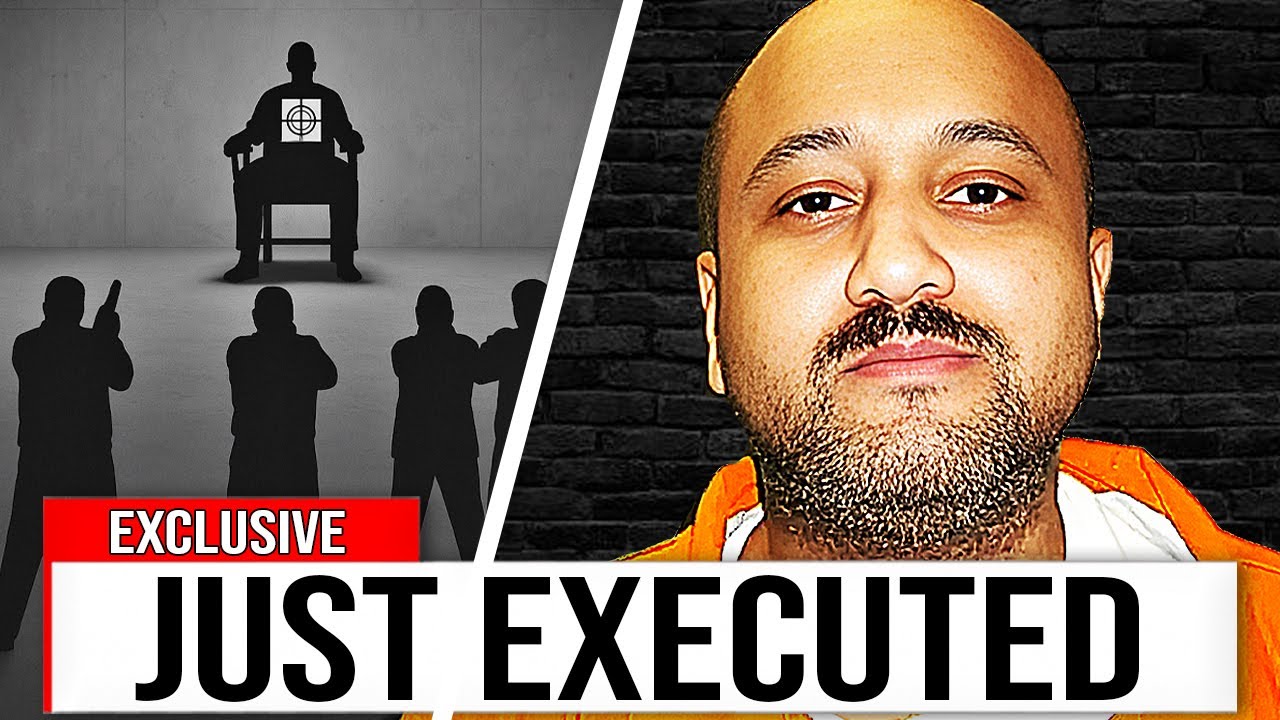
In a haunting tale of tragedy and violence, Raymond Eugene Johnson is set to face execution on May 14, 2026, after spending over 17 years on death row. His journey to this moment is marked by a series of chilling events that began with a deadly confrontation in 1995 and culminated in the heartbreaking deaths of a mother and her infant daughter in 2007.
 On a fateful September night in 1995, Johnson, then 21, was involved in a heated argument with 25-year-old Clarence Ray Oliver. As tensions escalated, Johnson drew a handgun and fired multiple shots at Oliver’s car as he attempted to flee. The tragic outcome left Oliver dead, and Johnson was ultimately sentenced to just 20 years for what was classified as first-degree manslaughter—a decision that many now question
After serving only half of his sentence, Johnson was paroled in 2005, seemingly given a second chance at life. He relocated to Tulsa, where he met Brooke Whitaker, a 23-year-old mother of four. Initially, their relationship appeared promising, but it quickly devolved into a cycle of 𝓪𝓫𝓾𝓼𝓮. Brooke reportedly sought help, filing a protective order against Johnson after he threatened her life multiple times. However, a critical court hearing scheduled for May 21, 2007, never took place, leaving Brooke vulnerable and unprotected
 Just weeks later, Johnson moved back in with Brooke, and on June 22, 2007, a horrific act unfolded. After a night of violence that began with a brutal attack involving a claw hammer, Johnson set fire to their home, taking the lives of Brooke and her seven-month-old daughter, Kaya. The aftermath left three children without their mother and sister, forever altering their lives
Following the tragic events, Johnson fled but was soon apprehended after using Brooke’s phone to contact an accomplice. His confession to police detailed the gruesome nature of the crimes, and he was subsequently convicted of two counts of first-degree murder and arson.

As Johnson awaits execution, his case has sparked intense debate about justice, mercy, and the failures of the legal system. His clemency hearing is scheduled for April 8, 2026, where arguments will be made for and against sparing his life. While some claim he has found religion and seeks redemption, others argue that he has never fully accepted responsibility for his actions.
 Brooke’s family, still grappling with their loss nearly two decades later, has voiced their desire for closure. They believe that Johnson’s execution will not erase their pain but will finally allow them to remember Brooke and Kaya for who they were, rather than what was done to them.
As the clock ticks down to Johnson’s execution date, the question remains: can true justice ever be served in a case so steeped in tragedy?