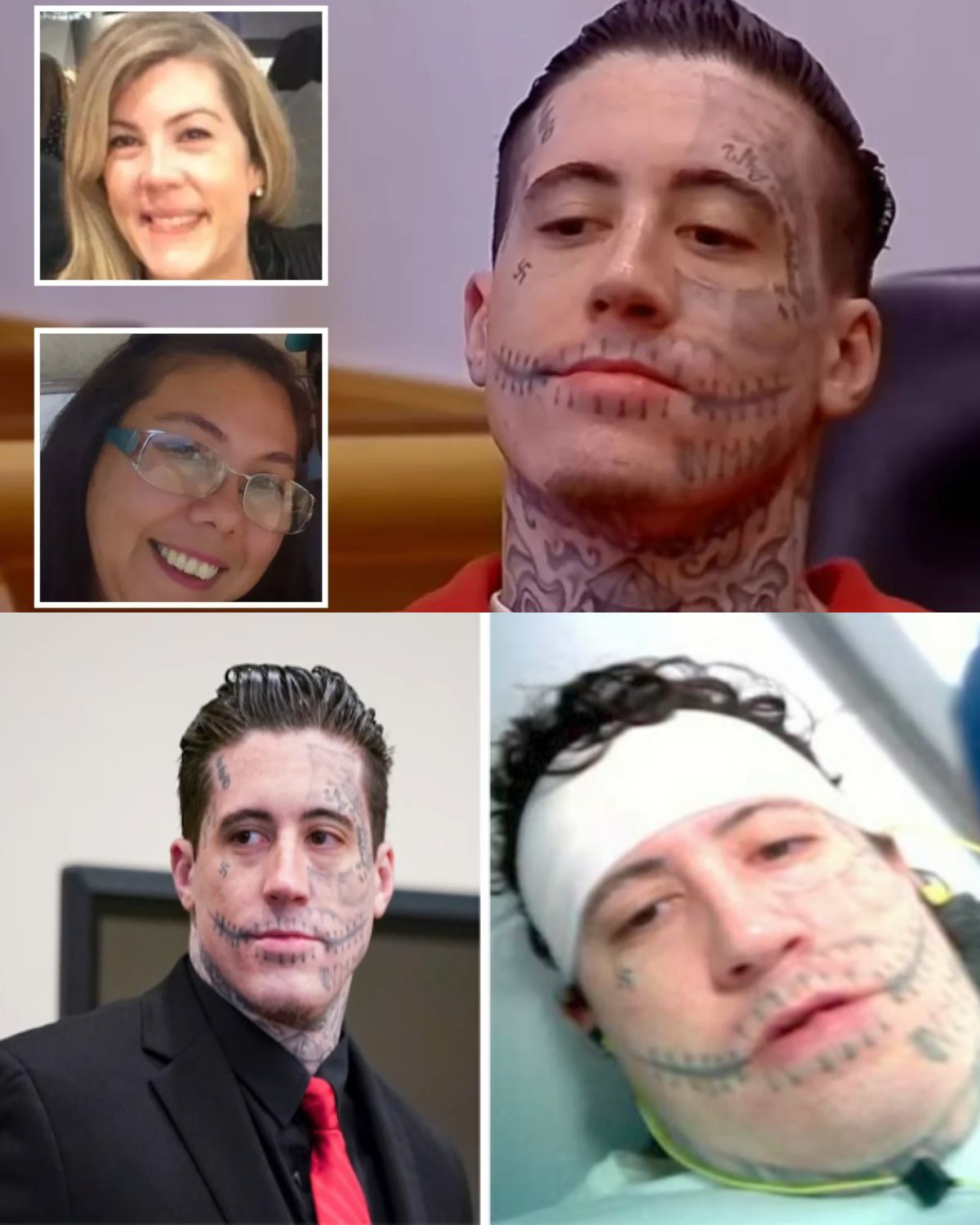
At 6:20 p.m. on November 14, 2025, the state of South Carolina executed serial killer Stephen Corey Bryant by firing squad at Broad River Correctional Institution, ending a 17‑year wait on death row. The 44‑year‑old, who terrorized rural Sumter County during an eight‑day rampage in October 2004, was pronounced dead after three .308‑caliber rounds struck his chest in rapid succession. Bryant offered no final words, and the hooded execution team delivered the lethal volley without warning at 6:10 p.m. His death marks the third time South Carolina has used the firing squad since resuming executions in September 2024.
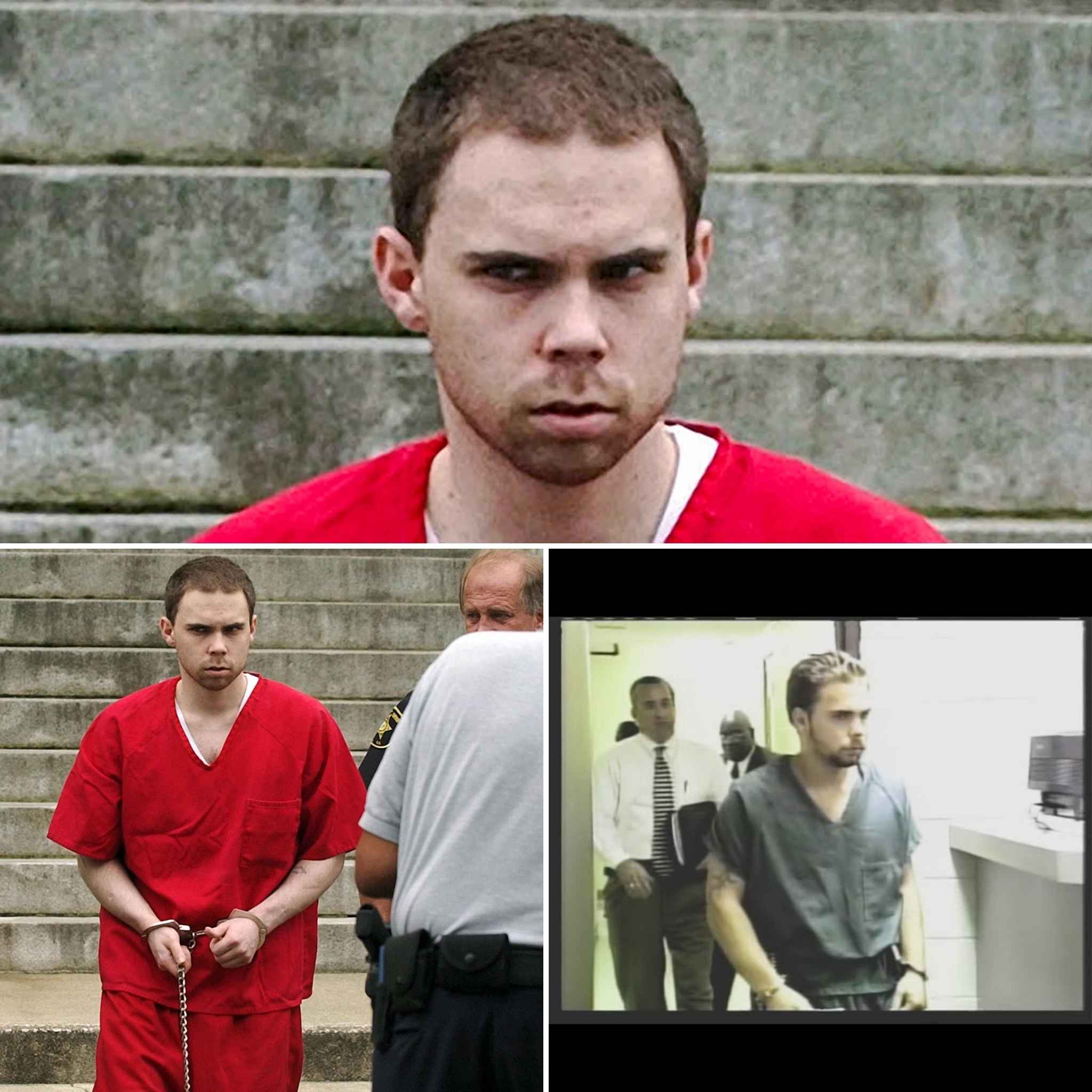
The crimes that sealed Bryant’s fate began on October 8, 2004. That evening, 23‑year‑old Bryant, an avid fisherman, shot 56‑year‑old Clinton Brown in the back while Brown was fishing at a nearby river. Brown survived despite severe injuries and managed to drive himself to a hospital, but the attack was only a prelude. The next day, October 9, Bryant lured his close friend and co‑worker, 36‑year‑old Clifton Gainey, under the pretext of buying beer. Using a stolen gun, Bryant shot Gainey in the head, killing him instantly, and left the body on a rural road.
Two days later, on October 11, Bryant broke into the home of 62‑year‑old Willard Teachen, a man he did not know who lived in a remote part of Sumter County. Bryant knocked on the door, pretended to have car trouble, and gained Teachen’s trust. Once inside, he shot Teachen nine times. In an act of extreme sadism, Bryant then burned Teachen’s eyes with lit cigarettes, degrading the victim even after death. While ransacking the home, taking jewelry and power tools, the phone rang. It was Teachen’s daughter, Kimberly Dees, calling from another state. When someone answered, she heard a man ask, “Who is this?” When she identified herself, the voice replied, “You can’t talk to him. I’m the prowler. I killed him three hours ago.” Then came a cold, mocking laugh before the line went dead.
Bryant left taunting messages written in Teachen’s blood on the walls: “Victim four in two weeks, catch me if you can,” along with multiple repetitions of “Catch me if you can.” Before leaving, he placed candles around the body, turning the scene into a macabre altar. Two days later, on October 13, Bryant encountered 35‑year‑old Christopher Earl Burgess at a convenience store. They knew each other casually. After chatting, Bryant offered Burgess a ride. On a lonely stretch of road, Bryant shot Burgess twice — once in the head, once in the chest — and left the body in a ditch. A passing hunter found the remains less than two hours later.
Later that same day, Bryant was arrested at his girlfriend’s house. Investigators found stolen firearms, items taken from victims’ homes, and clothing matching witness descriptions. On October 14, 2004, he was formally charged with three counts of murder, two counts of aggravated burglary, two counts of unlawful possession of a firearm, one count of armed robbery, and one count of arson. While awaiting trial in October 2005, Bryant attacked a correctional officer at the Sumter‑Lee Regional Detention Center, punching the officer repeatedly even after he was on the ground.
The trial began in 2008. On September 2, the sentencing phase opened. Defense attorneys argued against the death penalty, citing Bryant’s history of deep trauma and long‑term abuse, which they claimed the state failed to address. But on September 11, 2008, a jury found Bryant guilty of capital murder and sentenced him to death for the murder of Willard Teachen, committed during a burglary. He also received life sentences for killing Gainey and Burgess, plus nearly 100 additional years for his other crimes.

Over the next 16 years and nine months, Bryant exhausted every legal appeal. His attorneys — some court‑appointed, others pro bono opponents of capital punishment — filed multiple challenges. On October 14, 2025, the United States Supreme Court rejected his final appeal. South Carolina Attorney General Kristen Clark immediately filed a motion to set an execution date. The order reached Bryant on October 17, and under state law, the date was set for the fourth Friday afterward: November 14, 2025.
On October 31, Bryant was formally notified of his right to choose his method of execution. He deliberately selected death by firing squad. With that decision, he became the third inmate in South Carolina to opt for this method since the state resumed executions in September 2024. Bryant spent his final days on death row without any family visits, almost entirely alone, with only occasional contact from prison staff and his spiritual adviser.
On the morning of his execution, November 14, Bryant woke at 4:00 a.m. He showered and received a visit from his spiritual counselor. As per standard procedure for firing squad executions, he was given sedatives to reduce anxiety. At 5:45 p.m., he was taken from his cell to the execution chamber. At 5:50 p.m., he was secured to the execution chair with leather straps. The coroner placed a target over his heart, and a hood was placed over his head. The warden read the execution order aloud while witnesses stood behind bulletproof glass. At 6:10 p.m., three shooters fired simultaneously without warning. Three .308‑caliber rounds struck Bryant’s torso. Involuntary movements and reflexive sounds occurred, but neurological death likely happened within seconds. The coroner pronounced him dead at 6:20 p.m. Stephen Corey Bryant did not utter any final words.
The execution closes a dark chapter for Sumter County, where the eight‑day spree in 2004 left three families shattered and a community terrified. Survivor Clinton Brown, who was shot but lived, testified at trial. The daughter of Willard Teachen, Kimberly Dees, has spoken publicly about her trauma, recalling the chilling phone call with the “prowler.” Bryant’s victims — Gainey, Teachen, Burgess — were remembered by loved ones as ordinary men whose lives were cut short by senseless brutality.

The use of the firing squad has drawn both support and criticism. Proponents say it provides a quick, humane death compared to lethal injection, which has faced legal challenges over drug protocols. Opponents argue that execution by any method is state‑sanctioned killing and that Bryant’s history of abuse should have spared him. South Carolina’s electric chair remains available, but no inmate has chosen it since the firing squad option was revived.
Bryant’s execution was carried out smoothly, according to prison officials. No protests disrupted the procedure, and the three volunteer shooters, whose identities remain confidential, followed protocol to the letter. The state Department of Corrections issued a brief statement confirming the death, offering no further commentary.
For the families of the victims, the execution provides a measure of closure, though the pain of loss lingers. “Justice has been served,” said a representative of the Teachen family in a short statement released through the prosecutor’s office. “We hope no other family has to endure what we went through.” Bryan’s own family did not issue any public comment.
The case will continue to be cited in debates over capital punishment, particularly in South Carolina, which has executed four inmates since 2024, three by firing squad. Critics point to the state’s history of botched lethal injections and the inherent brutality of the firing squad. Supporters say the method is reliable and swift, and that Bryant’s choice affirmed its legitimacy.

Stephen Corey Bryant’s rampage in October 2004 lasted only eight days, but its echoes reverberated for two decades. From the first assault on a fisherman to the grotesque blood messages at Teachen’s home, his crimes demonstrated a cold, calculated disregard for human life. The legal system moved methodically — through arrest, trial, appeals, and finally to the execution chamber. Tonight, the sentence was carried out.
The bulletin from Broad River Correctional Institution was brief: the execution was complete. No final words, no last meal request of note — Bryant reportedly ate a simple dinner of chicken, vegetables, and a beverage, though he did not make a special request. The state does not publicize detailed last meals due to policy changes in recent years.
As news of the execution spread, social media saw a mix of reactions — some calling for the abolition of the death penalty, others affirming the justice of the sentence. Law enforcement officials in Sumter County noted the end of a long legal journey. “Our community can now fully heal,” said a retired detective who worked the original case. “We never forgot what Bryant did.”
The execution of Stephen Corey Bryant by firing squad will be recorded in South Carolina’s history as a rare and notable event — not only because of the method, but because of the horrific nature of the crimes that led to it. The state’s prison system now moves forward, with two other inmates currently on death row who may also choose the firing squad.
For now, the story of the “prowler” who answered the phone with a laugh and wrote “Catch me if you can” in a murdered man’s blood has reached its final page. Stephen Corey Bryant is dead. The state of South Carolina has delivered the sentence he received 17 years ago. No final words were spoken. The silence in the execution chamber after the shots rang out was, perhaps, the most telling testimony of all.