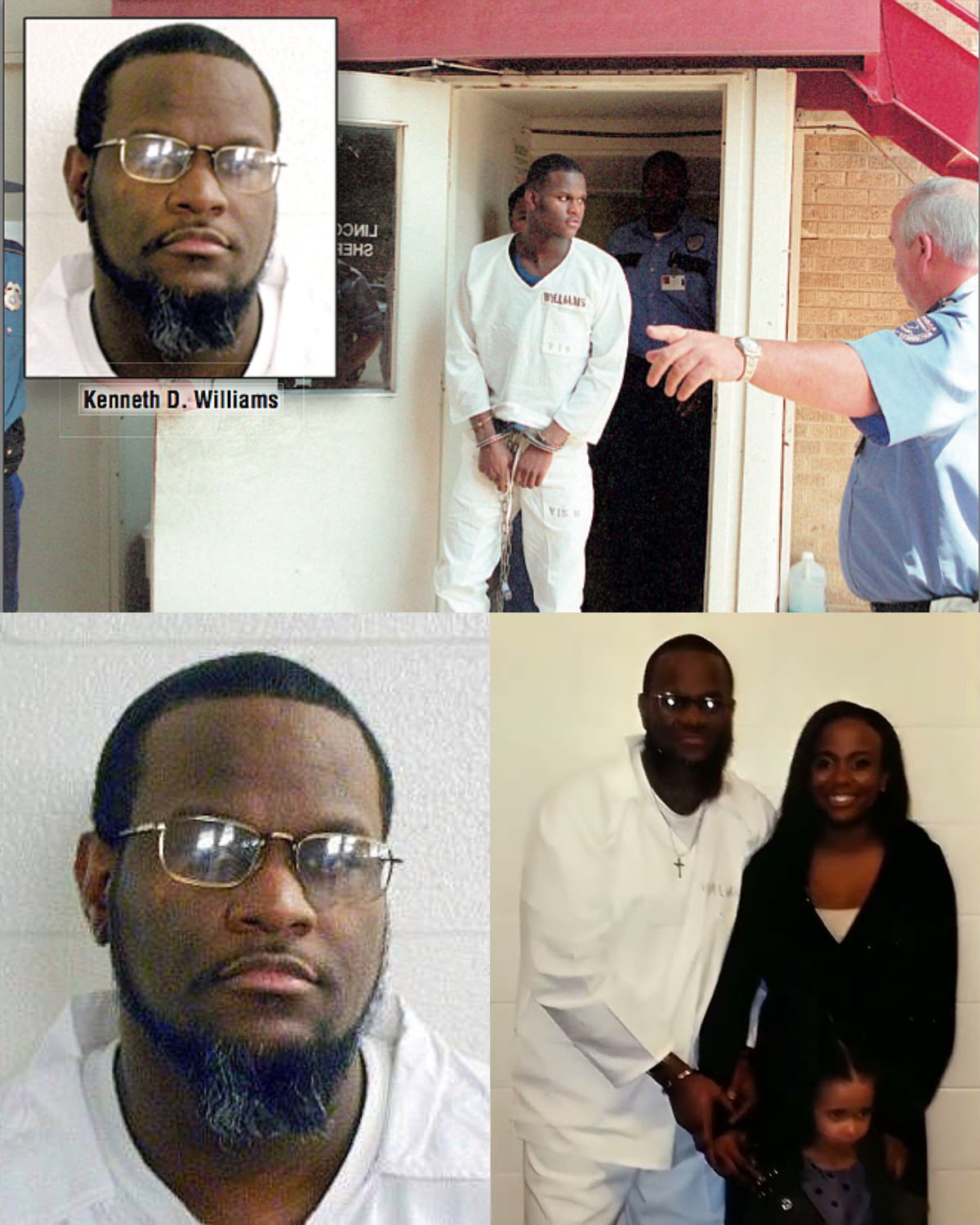
In a haunting tale of transformation and tragedy, Kenneth Dwayne Williams faced his final moments on April 27, 2017, after nearly 18 years on death row in Arkansas. At just 38 years old, his execution by lethal injection has sparked intense discussions about justice, redemption, and the complexities of the human spirit.
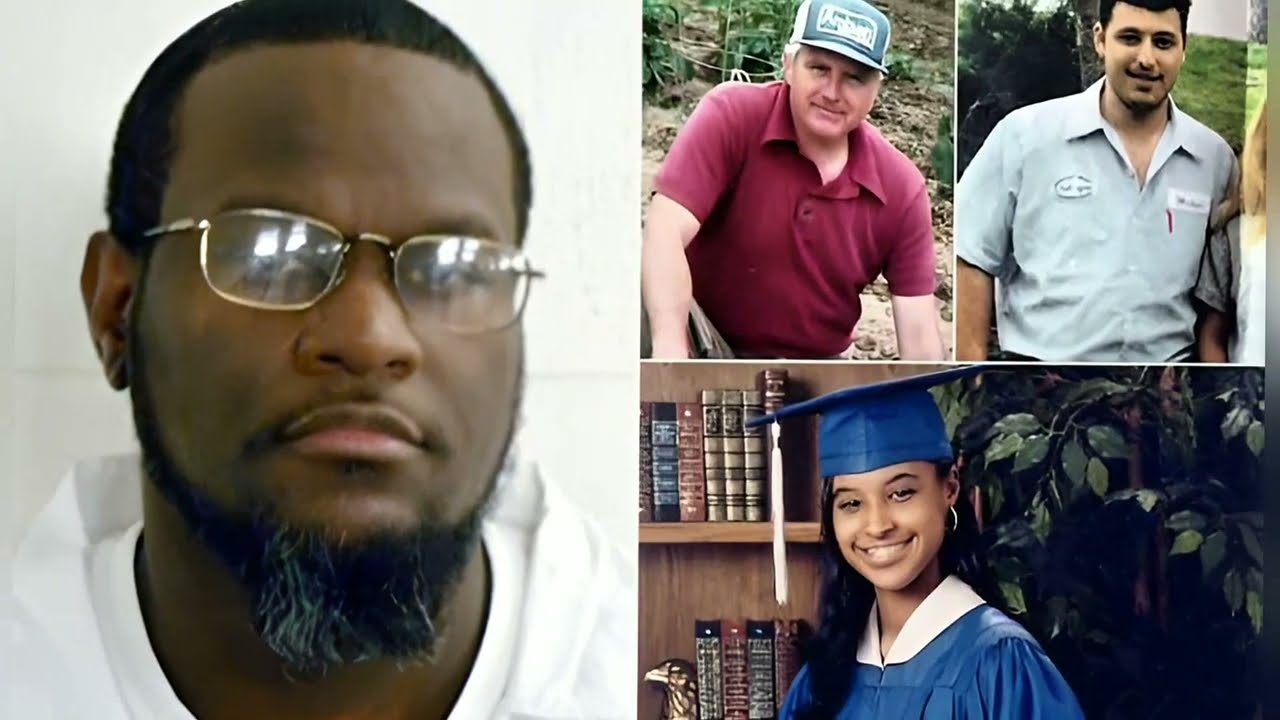
Williams’ journey began in December 1998, when a violent crime spree left four innocent lives lost. The first victim was 19-year-old Dominique “Nikki” Herd, a college cheerleader whose life was tragically cut short in a parking lot after being targeted by Williams. In a horrifying turn of events, he robbed and shot her, leaving her boyfriend, Peter Robertson, severely injured but alive.
That same day, Williams committed another murder, shooting 36-year-old Gerald Jenkins, whose body was discovered the next morning. Within hours, he had claimed two lives, and this was just the beginning of a dark path that would lead to more violence. Williams was arrested shortly after, with overwhelming evidence against him, including identification from Peter and incriminating photographs.
Despite the severity of his crimes, Williams was sentenced to life in prison instead of death. His courtroom behavior, which included taunting the families of his victims, left a lasting scar on those who had suffered from his actions. However, his life behind bars took an unexpected turn. In prison, Williams reportedly found faith and became an ordained minister, adopting the title of the “Arkansas death row preacher.” He began writing books and counseling fellow inmates, claiming to have turned his life around.

As the years passed, Williams filed numerous appeals against his death sentence, arguing that he was intellectually disabled and that his medical conditions should exempt him from execution. Yet, each appeal was denied, and he remained on death row.
In a controversial move, Arkansas Governor Asa Hutchinson scheduled a series of executions in April 2017, citing the impending expiration of lethal injection drugs. Williams was set to be the last of eight men executed in a short span, a decision that drew significant public outcry and protests.
As the execution date approached, an unexpected act of compassion emerged. Kayla Greenwood, the daughter of one of Williams’ victims, bought plane tickets for his daughter and granddaughter to see him one last time. She even wrote to the governor, advocating for clemency, believing that mercy was the right path.
However, the families of Williams’ other victims were not in agreement, insisting that he deserved to pay for his crimes. Ultimately, Governor Hutchinson denied the clemency request, and Kenneth Williams prepared for his execution.

On that fateful night, after a final meal and a moment of prayer, Williams was led into the execution chamber. His last words were a heartfelt apology to the families he had wronged, expressing remorse for the pain he had caused. But what followed was deeply unsettling. Witnesses reported that the execution appeared to be botched, with Williams convulsing and struggling in his final moments, raising questions about the efficacy of the lethal injection protocol.
As the clock ticked down, Kenneth Williams was pronounced dead at 11:05 p.m., leaving behind a legacy marked by violence, a quest for redemption, and a complex narrative that continues to evoke strong emotions and debate. The case of Kenneth Dwayne Williams serves as a chilling reminder of the consequences of choices made and the search for forgiveness in the face of unimaginable loss. What does this tragic story reveal about the nature of justice and redemption?