In a haunting culmination of a dark chapter in Florida’s criminal history, Samuel Lee Smithers, a former Baptist deacon, was executed on October 14, 2025, after spending 26 years on death row. At 72, he became the oldest person executed in Florida since the death penalty was reinstated in 1976, marking the state’s 14th execution of the year.
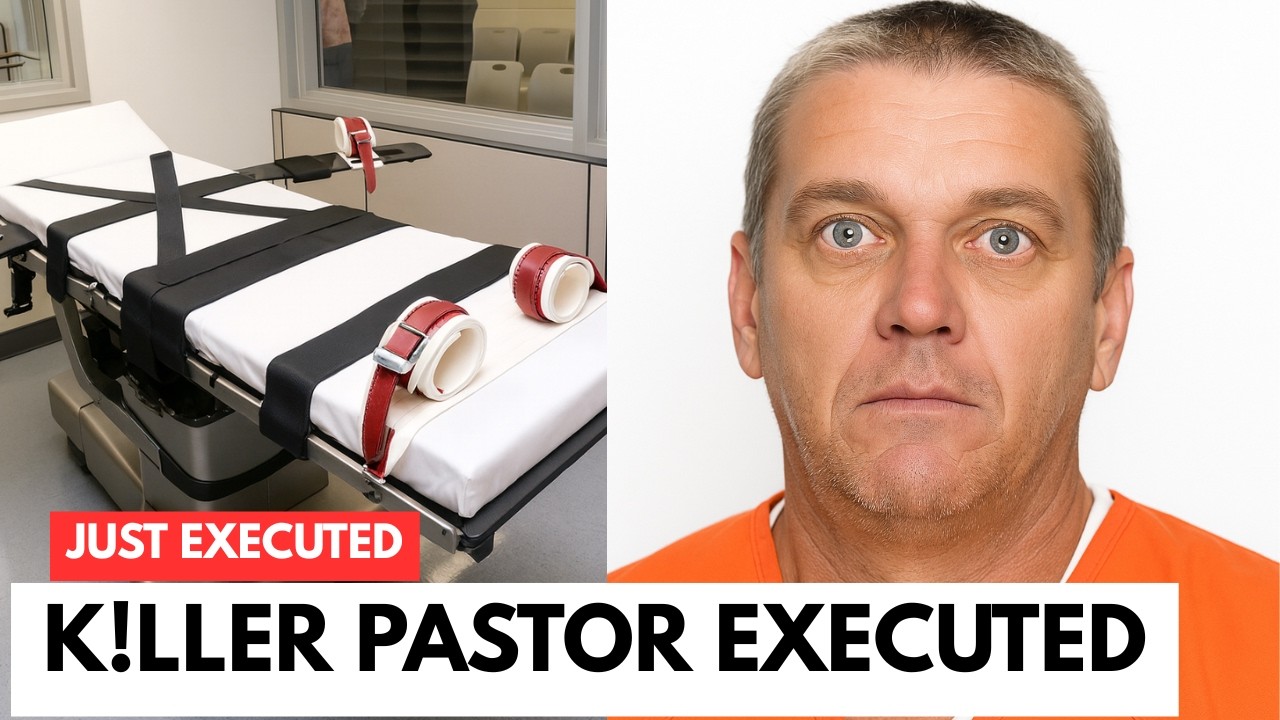 Once a respected figure in Plant City, Smithers was known for his devout faith and community involvement. However, beneath this facade lay a chilling reality. In 1996, he earned the grim moniker “Deacon of Death” after committing two brutal murders that shattered the lives of many and revealed the terrifying duality of his character.
The first victim was Denise Elaine Roach, a 24-year-old mother from Jamaica, whom Smithers lured to a secluded property under the pretense of a paid encounter. Tragically, she met a violent end at his hands, beaten and strangled before her body was disposed of in a pond. Just weeks later, on May 28, 1996, he struck again, this time with 31-year-old Christy Cowan, another 𝒔𝒆𝒙 worker. Smithers repeated his horrific actions, leaving her body in the same pond as Roach
The discovery of the bodies came after a chance encounter on the day of Cowan’s murder. A property owner, familiar with Smithers through church, found him cleaning an axe stained with blood. Her instincts prompted her to alert law enforcement, leading to the grim discoveries that would unravel Smithers’ double life.

As investigators pieced together the evidence, including DNA and surveillance footage, Smithers initially denied his involvement. However, as the weight of the evidence mounted, he confessed, offering various explanations that ultimately fell apart under scrutiny. The trial in 1999 captivated the community, as the idea of a church leader committing such heinous acts was both 𝓈𝒽𝓸𝒸𝓀𝒾𝓃𝑔 and perplexing.
Despite a plea for mercy from Cowan’s father, who believed in forgiveness over further violence, the jury found Smithers guilty of first-degree murder. He was sentenced to death, beginning a lengthy wait on death row during which his appeals were repeatedly denied. Over the years, he became a fixture in the prison system, his case winding through various courts without success.

As the date of his execution approached, Smithers’ legal team made one final attempt to halt the process, arguing that executing an elderly man who posed no threat was cruel and unusual punishment. However, these appeals were rejected, and on the day of his execution, the U.S. Supreme Court declined to intervene.
On the evening of October 14, a small group of protesters gathered outside Florida State Prison, holding vigil and praying for Smithers’ soul, while a solitary supporter stood with a sign marking the executions of the year. Inside, Smithers was prepared for his final moments, his last meal reflecting his southern roots.

When asked if he had any final words, Smithers simply replied, “No, sir.” With that, the execution proceeded, and within minutes, he was pronounced dead. His execution not only set a record for Florida but also raised profound questions about justice, redemption, and the complexities of human nature.
As the prison doors closed behind Smithers, the echoes of his life and crimes lingered in the air, leaving many to ponder the true meaning of justice and forgiveness in the wake of such tragedy. How do we reconcile the actions of a man who preached faith yet committed unspeakable acts?